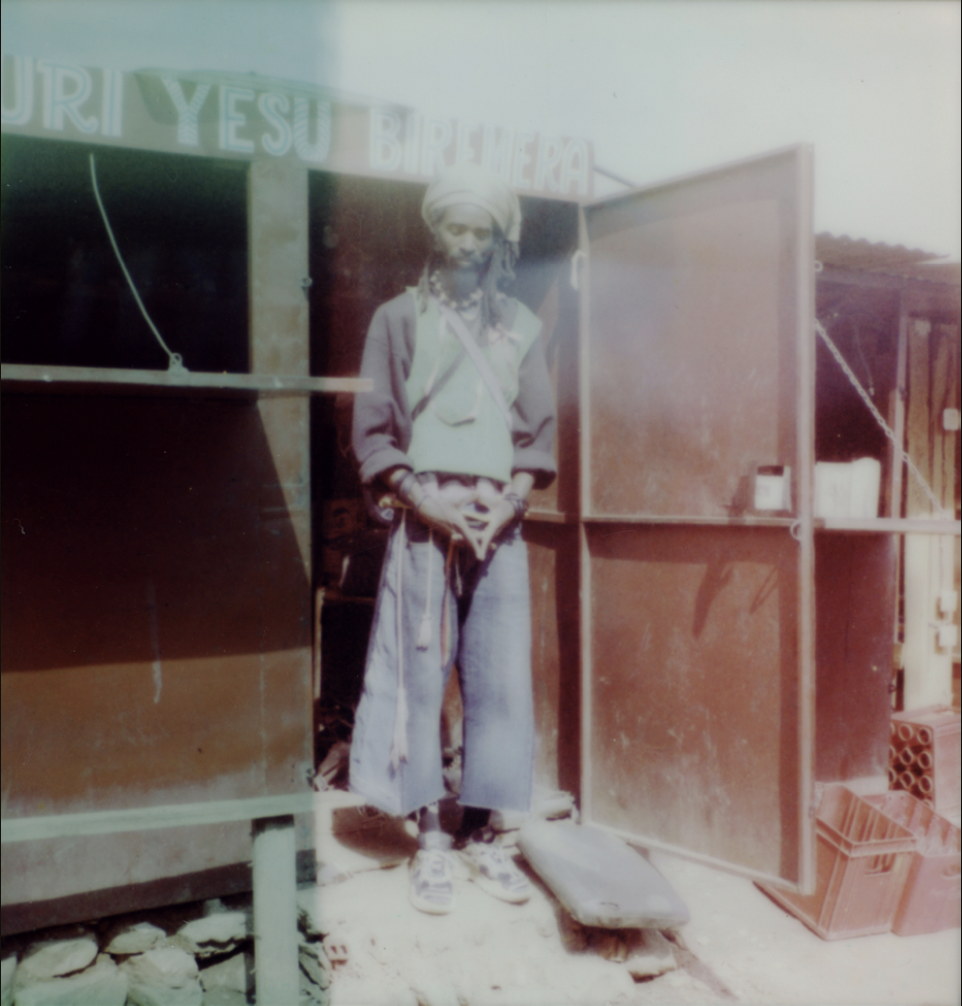
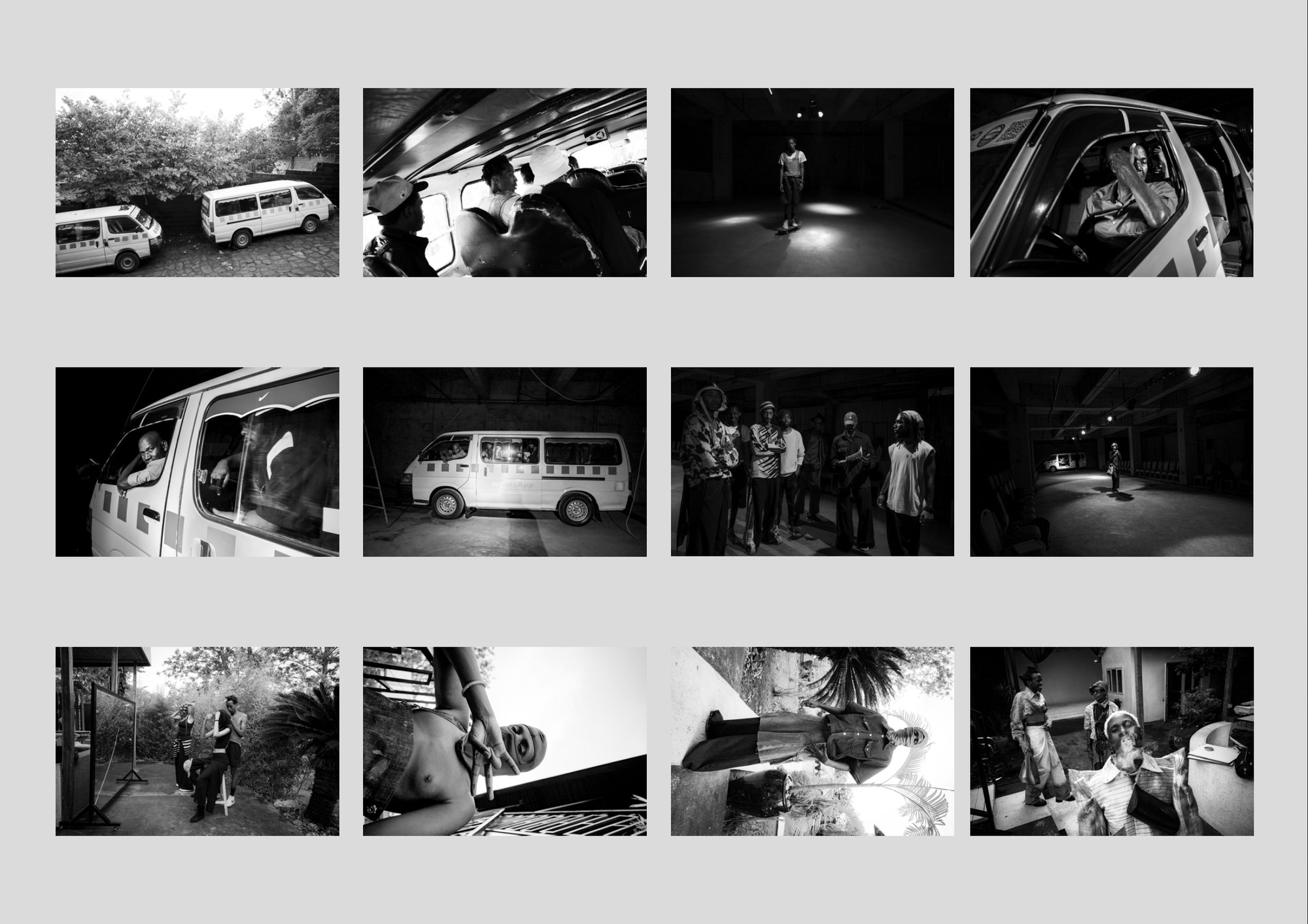
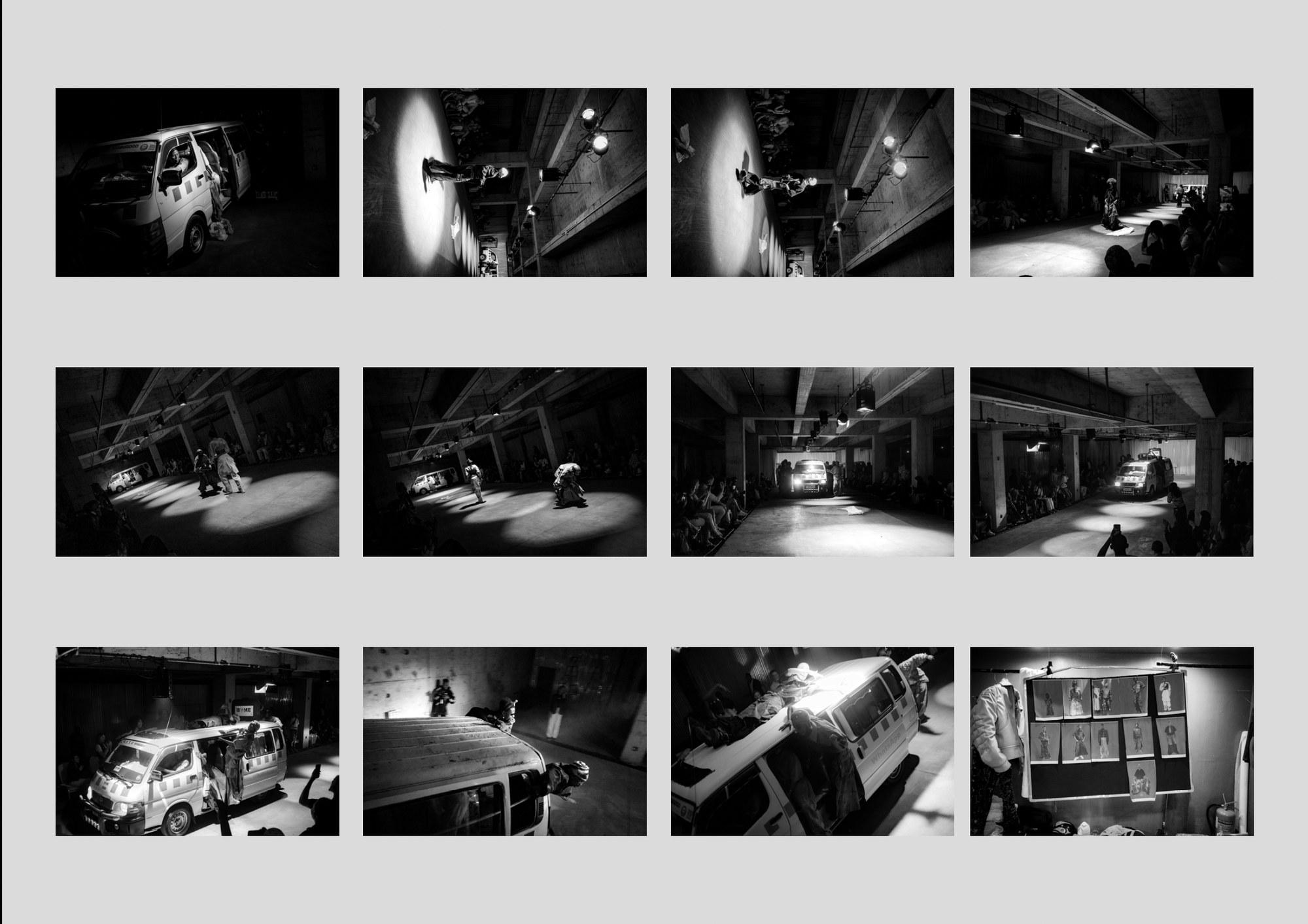
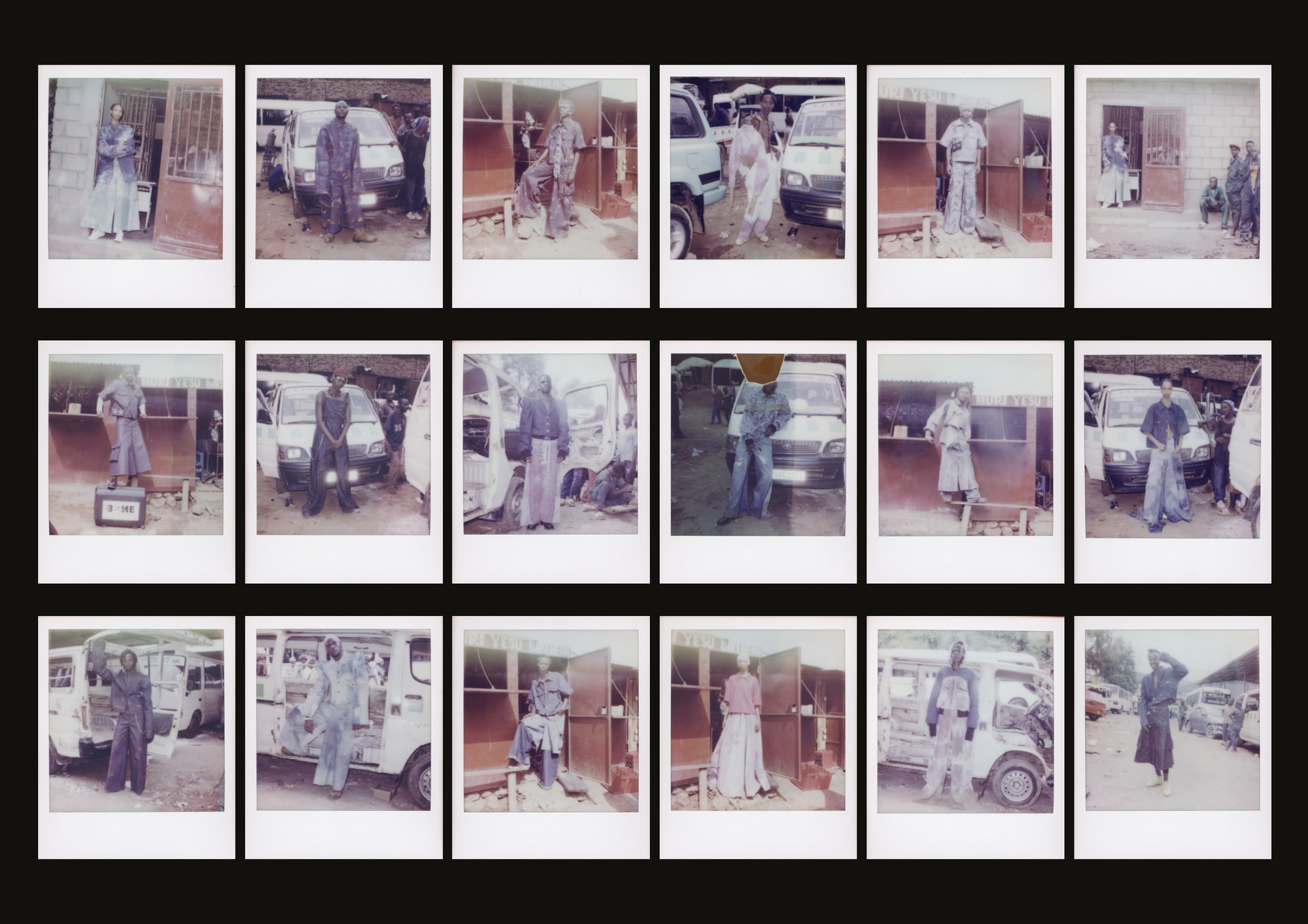
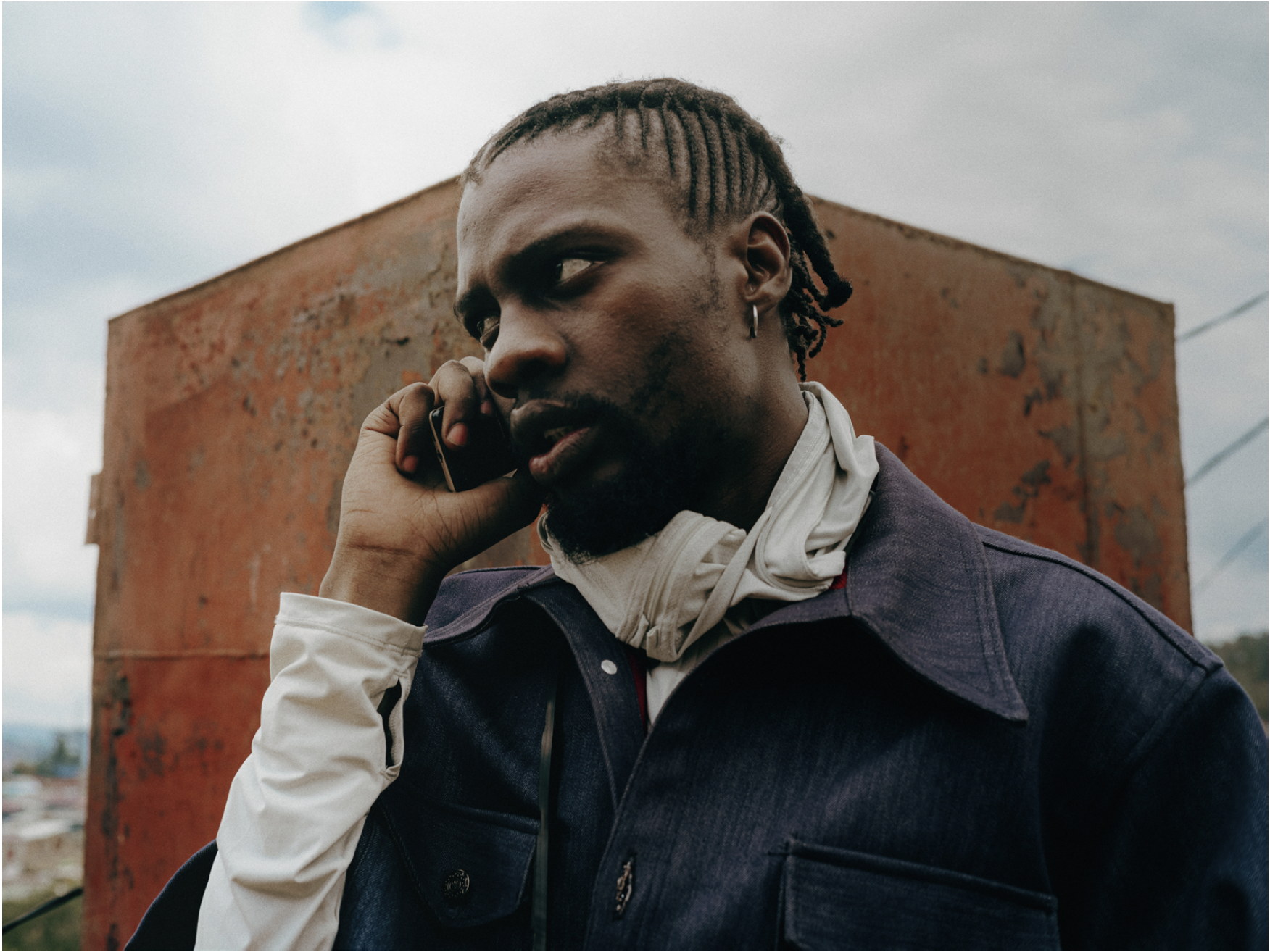
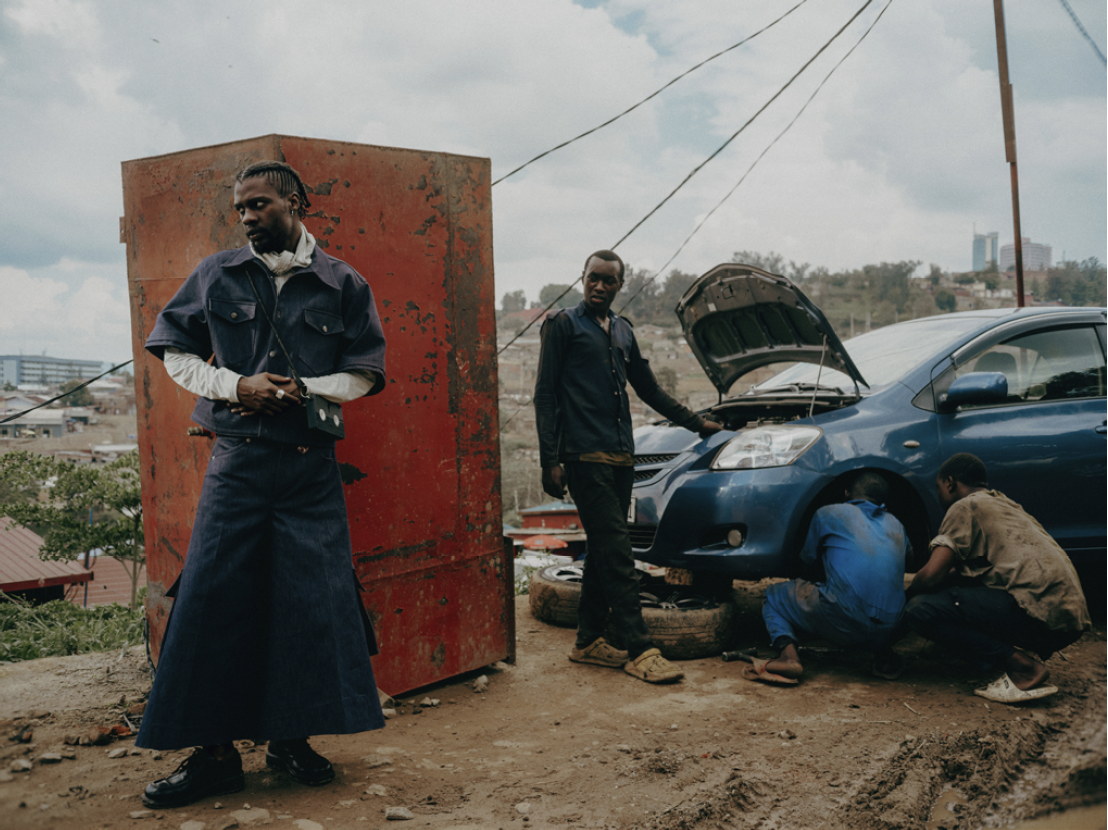
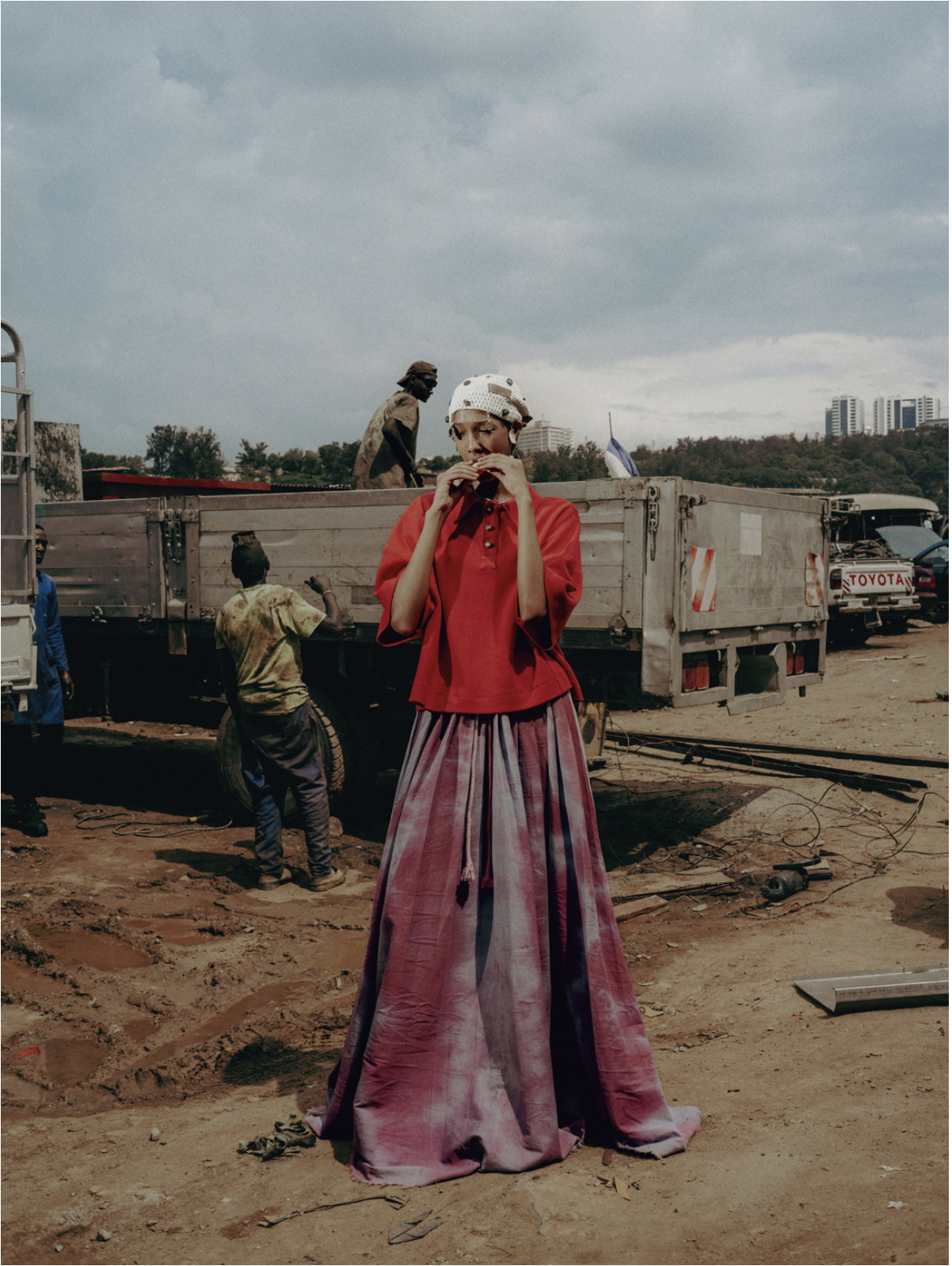
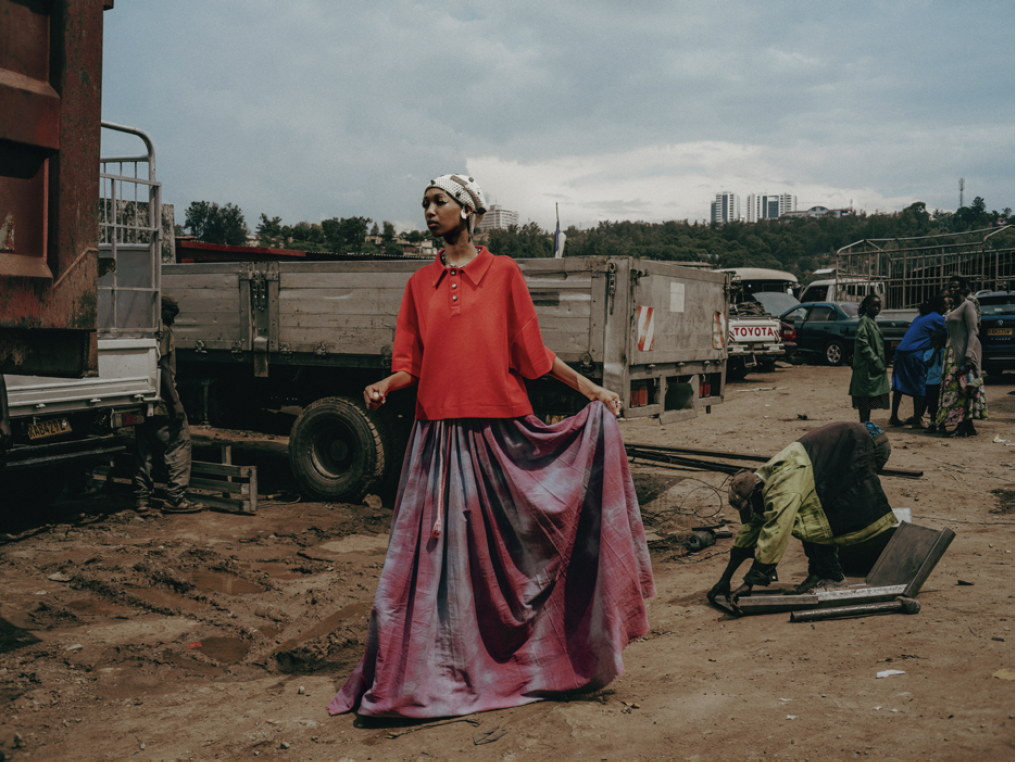
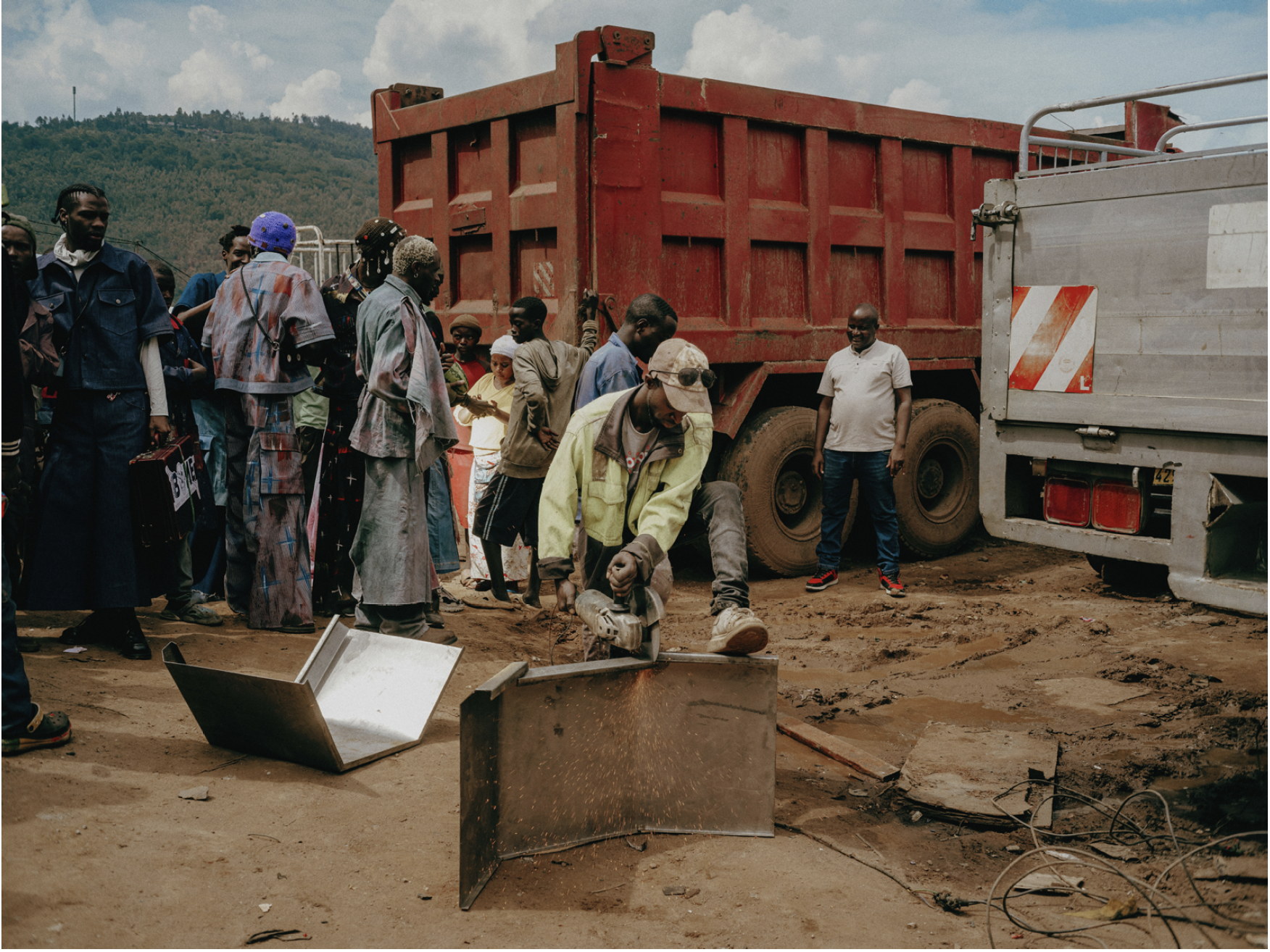
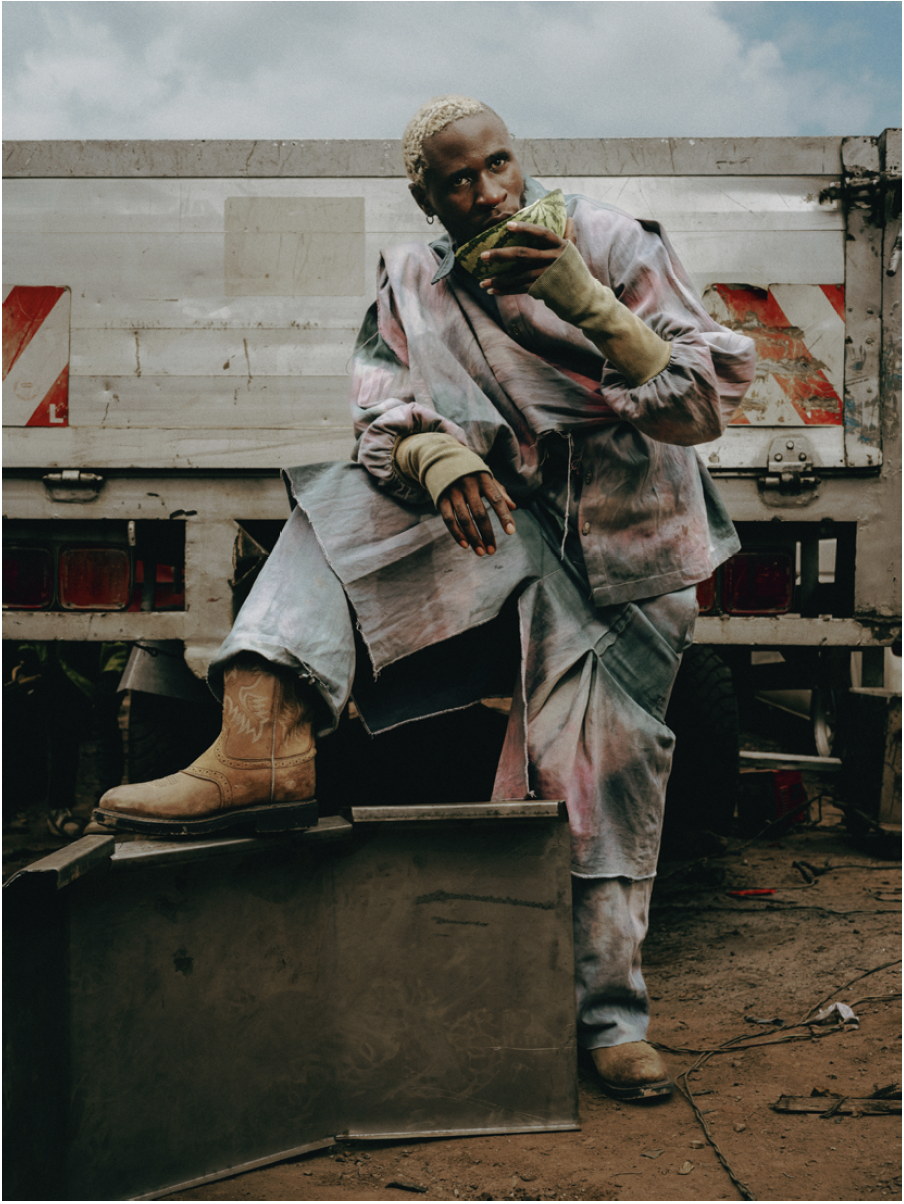
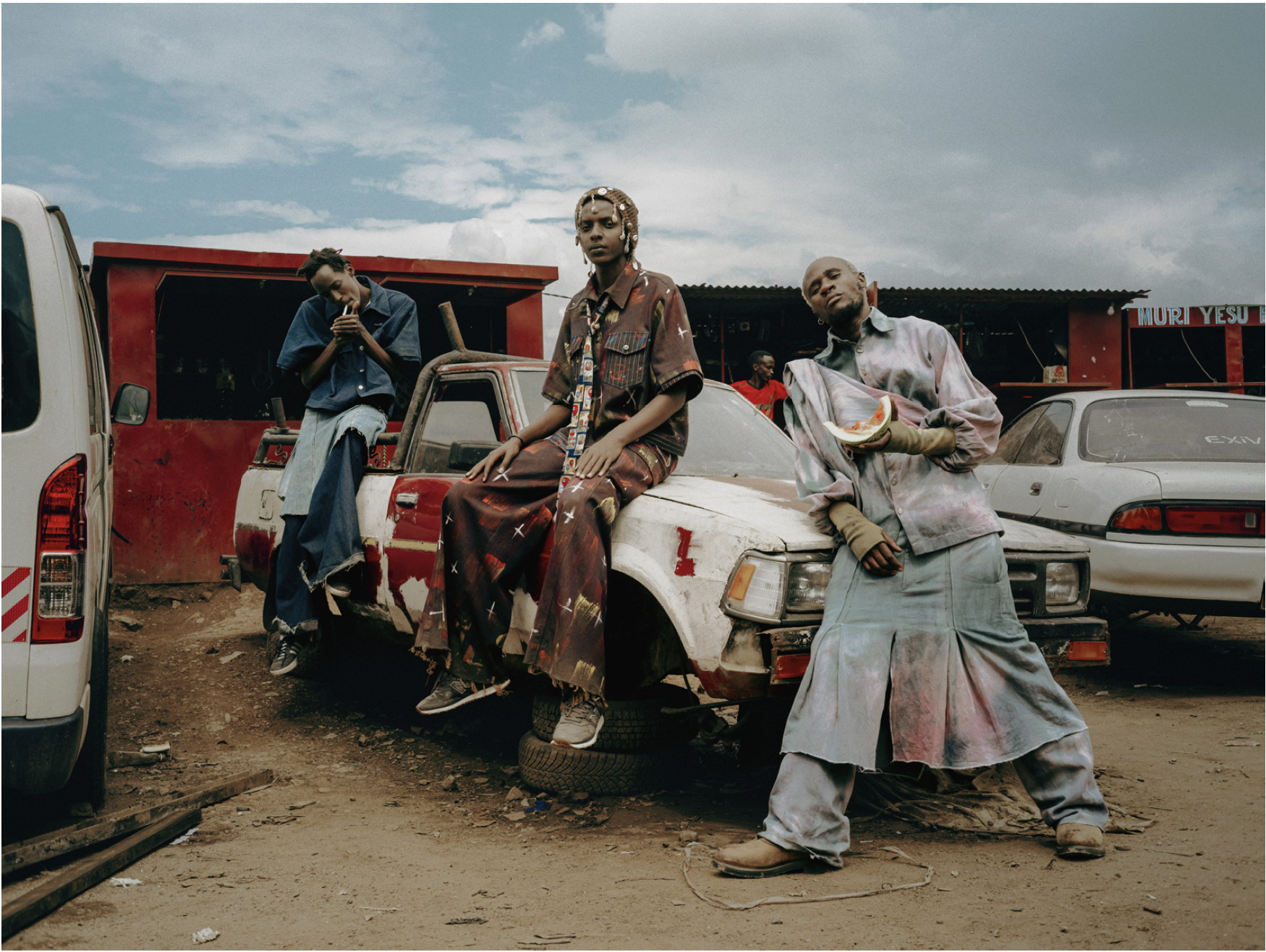
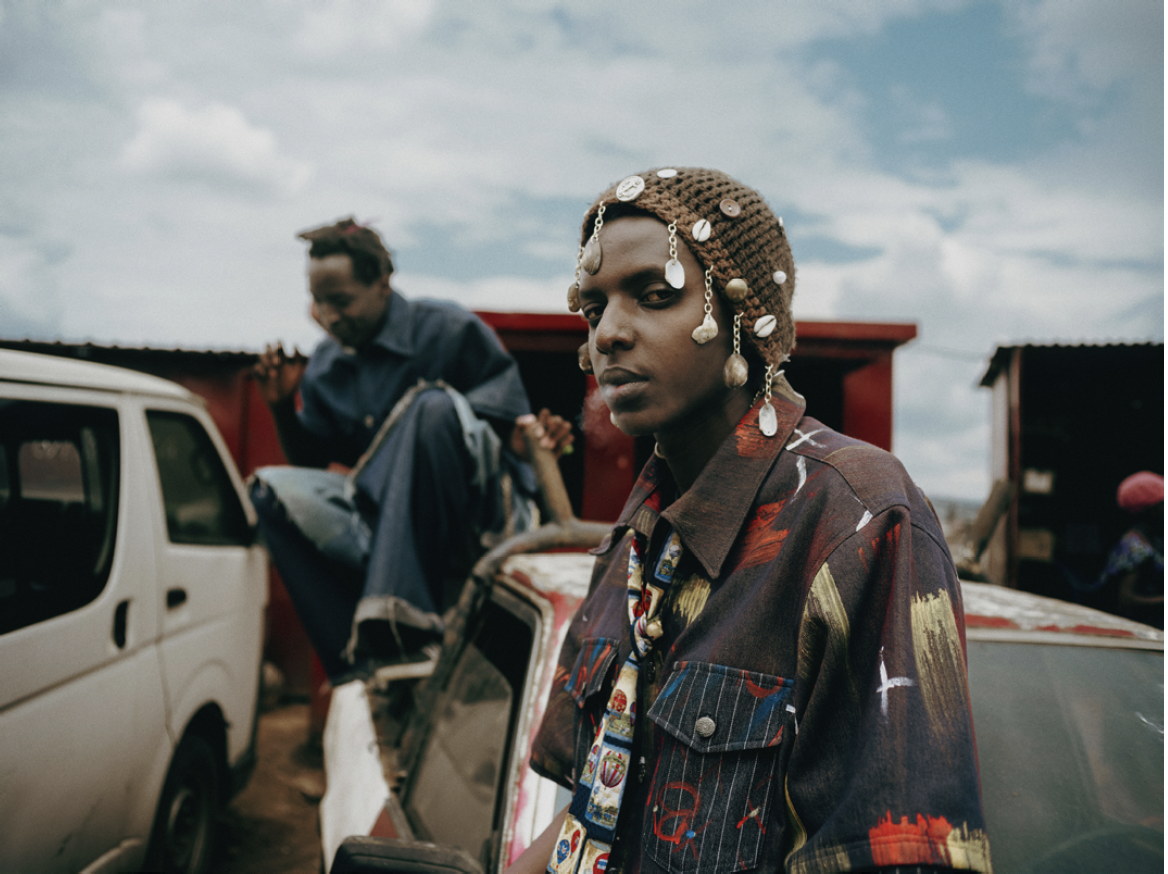
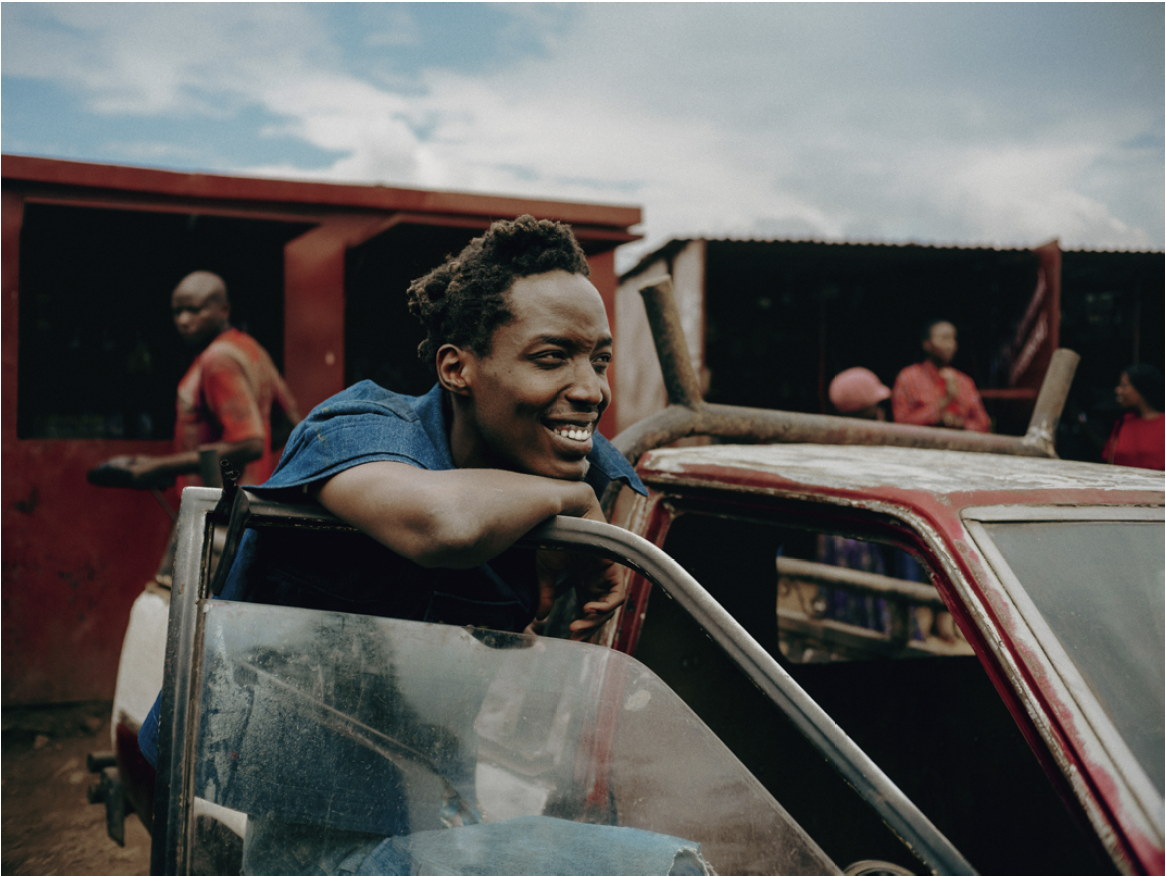
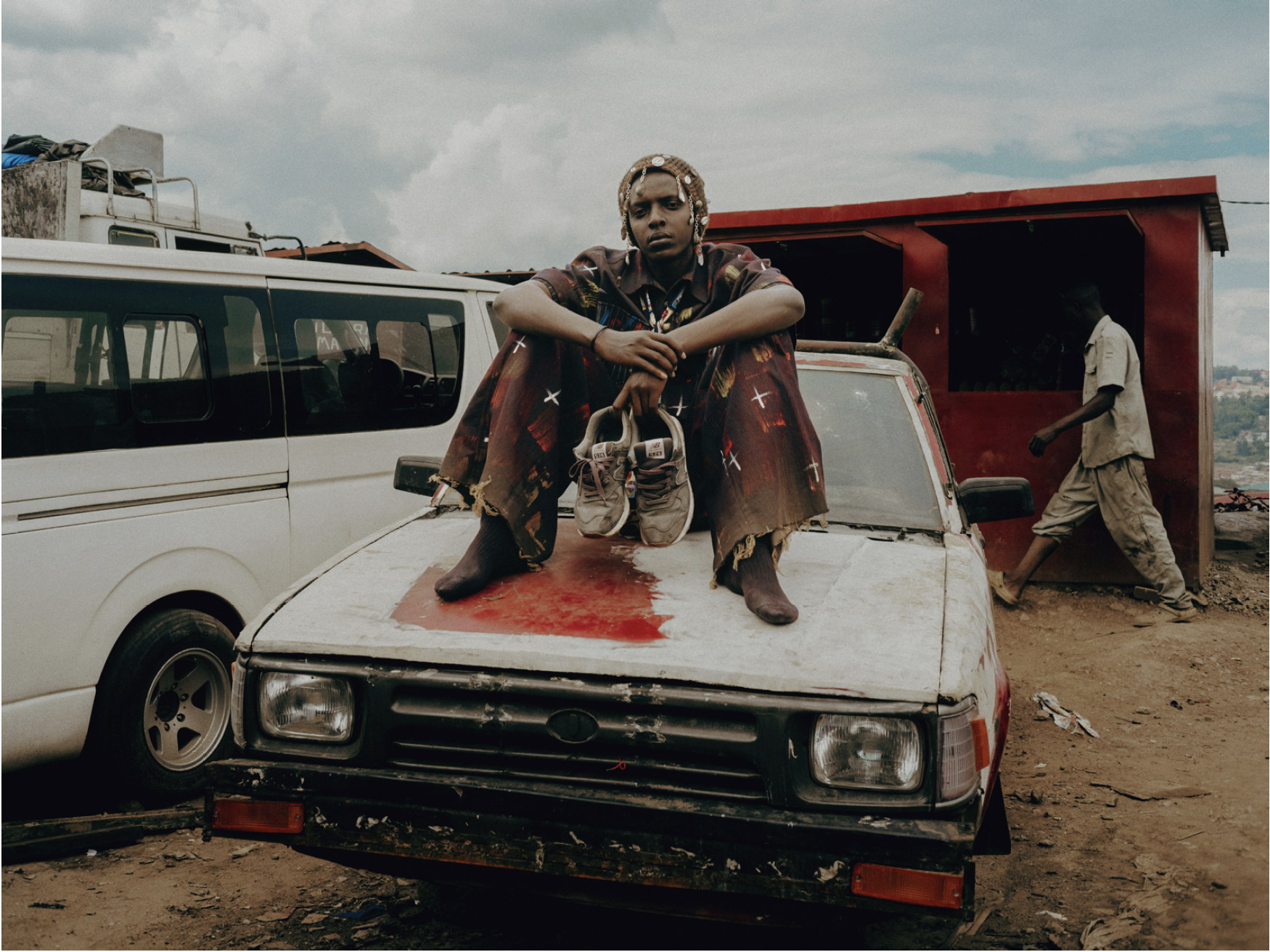
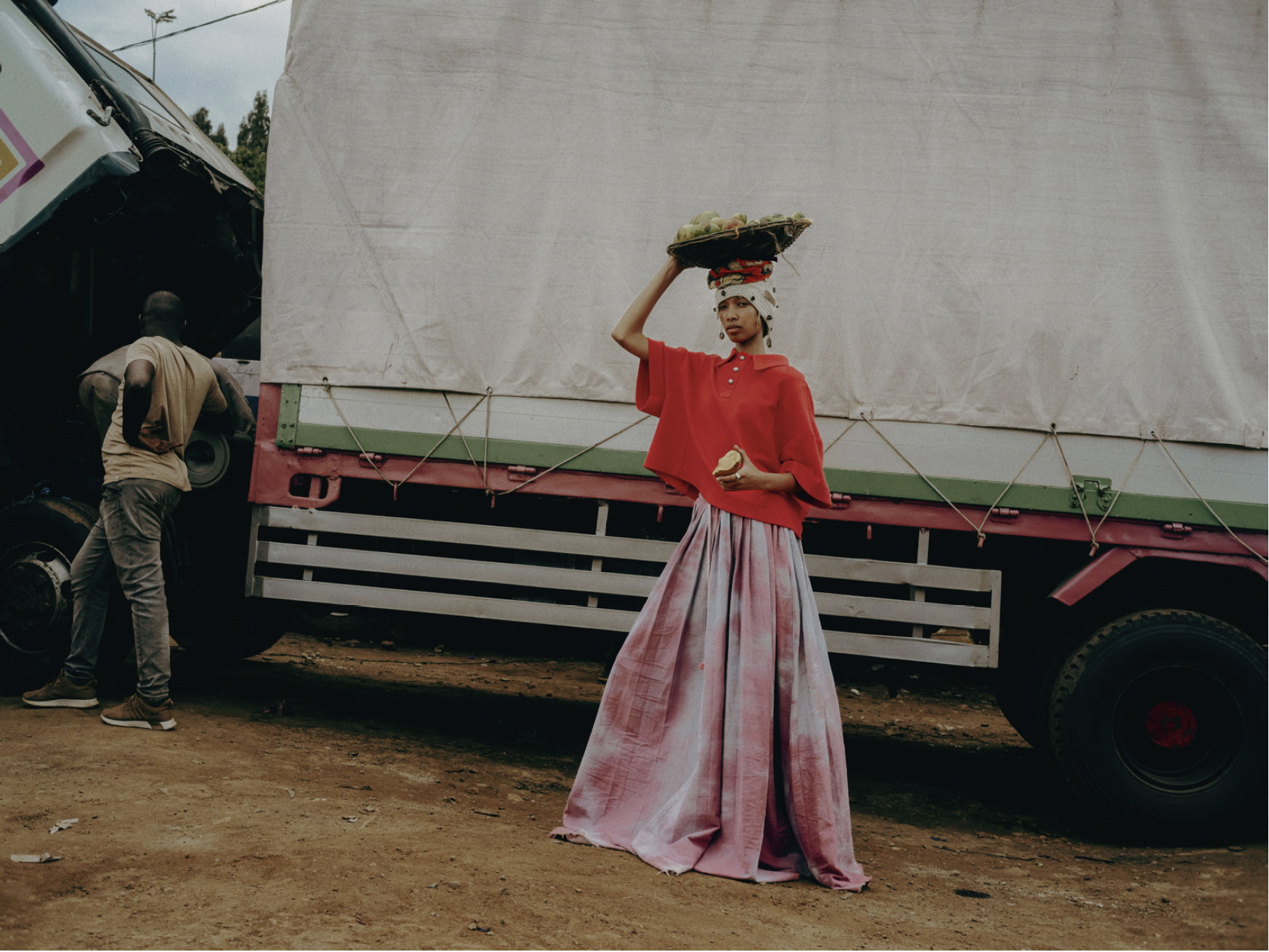
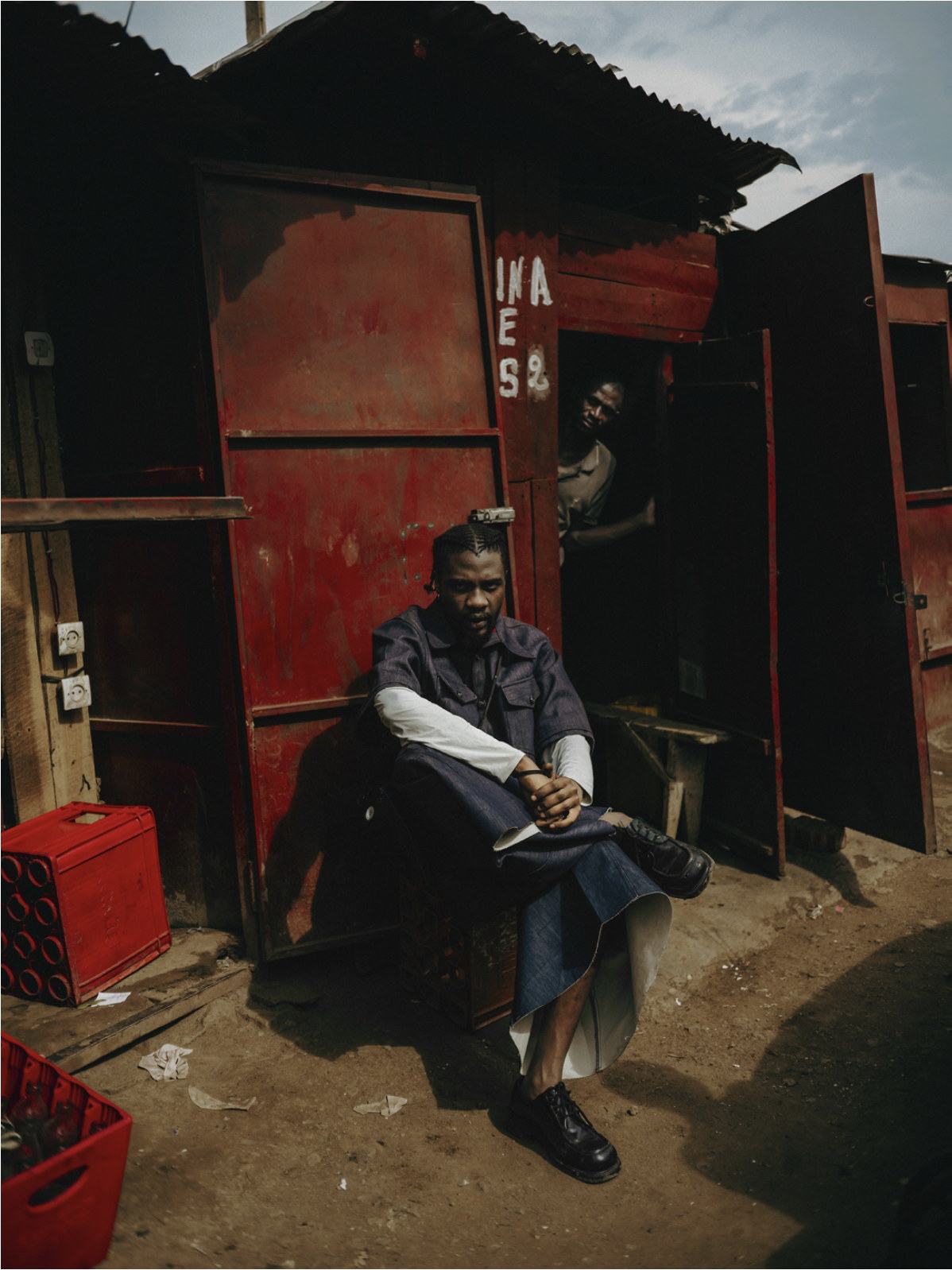
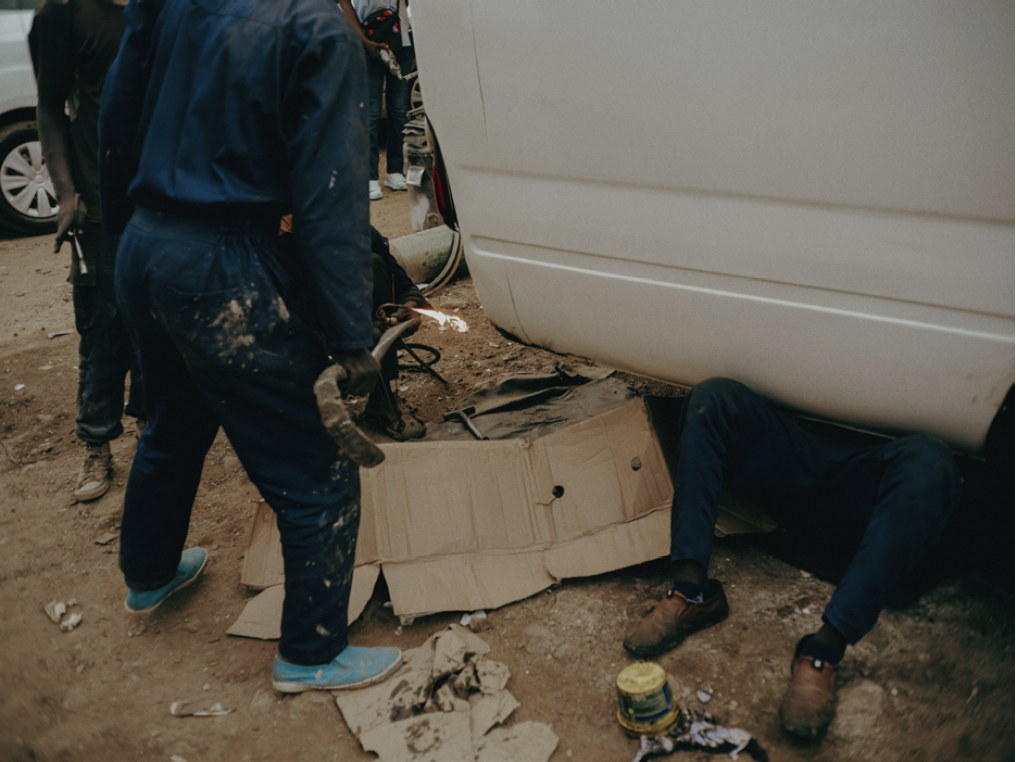
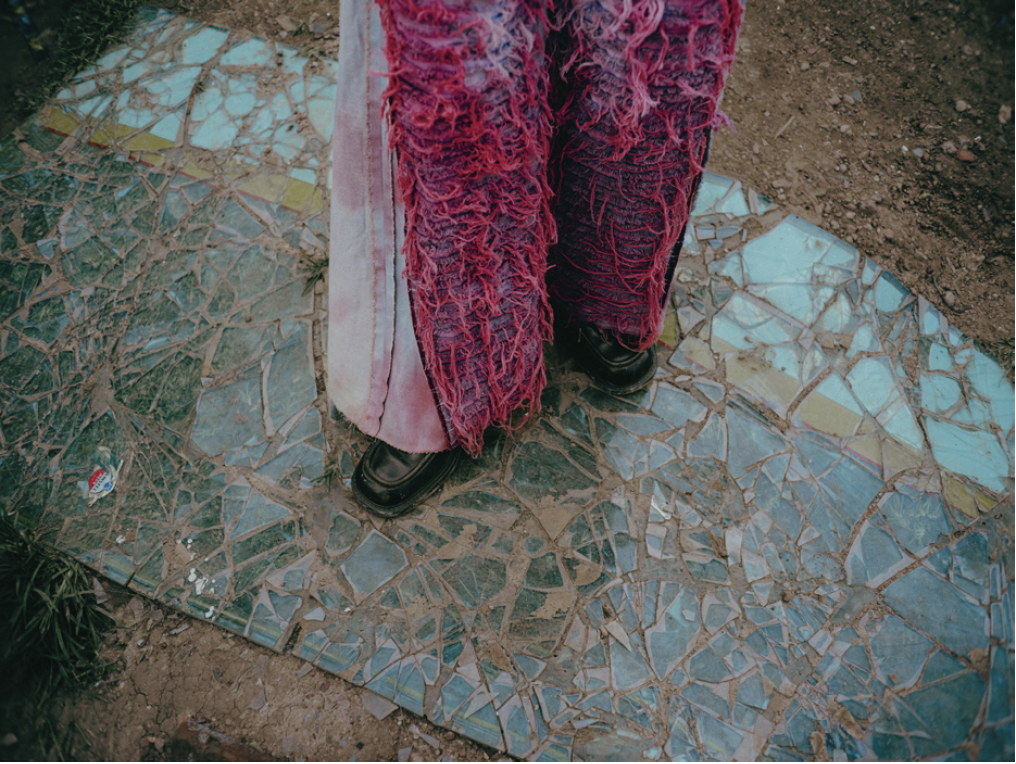
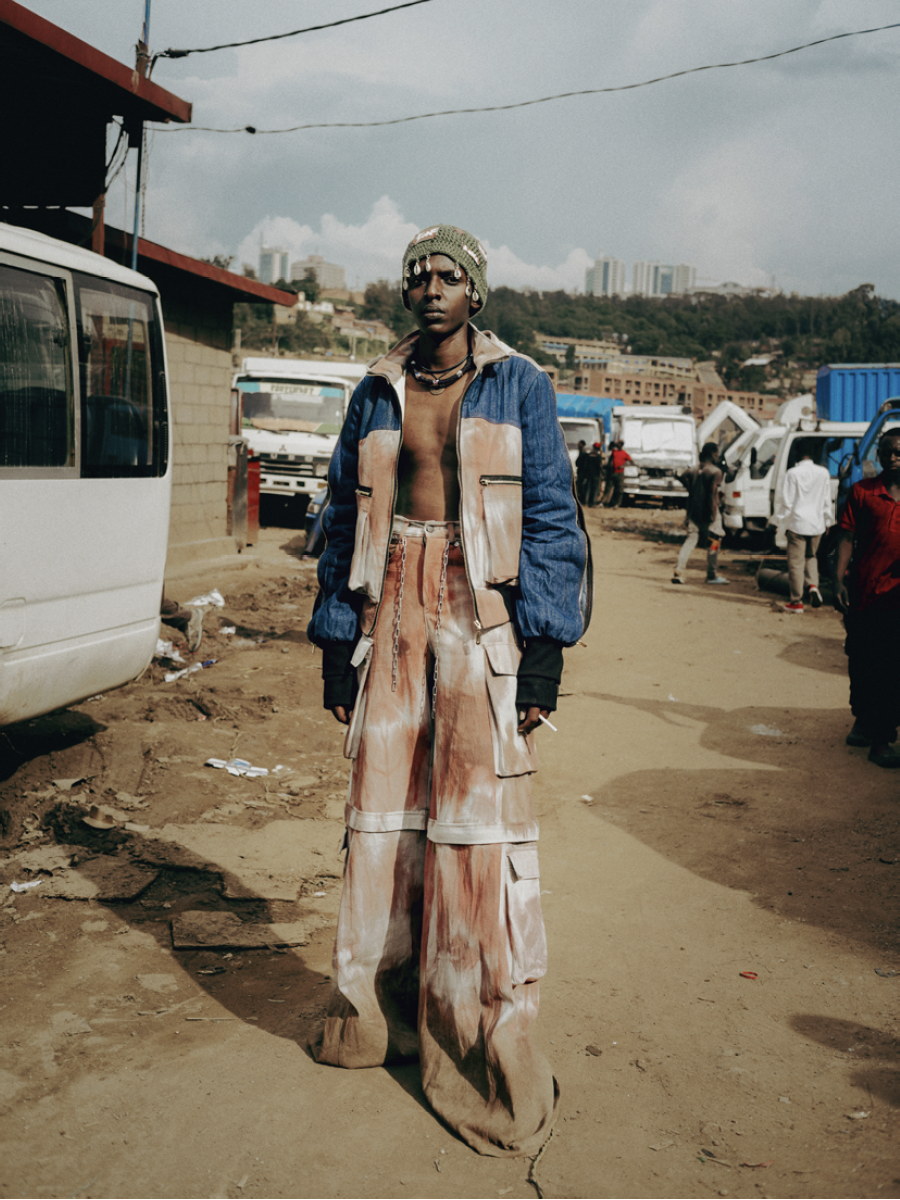
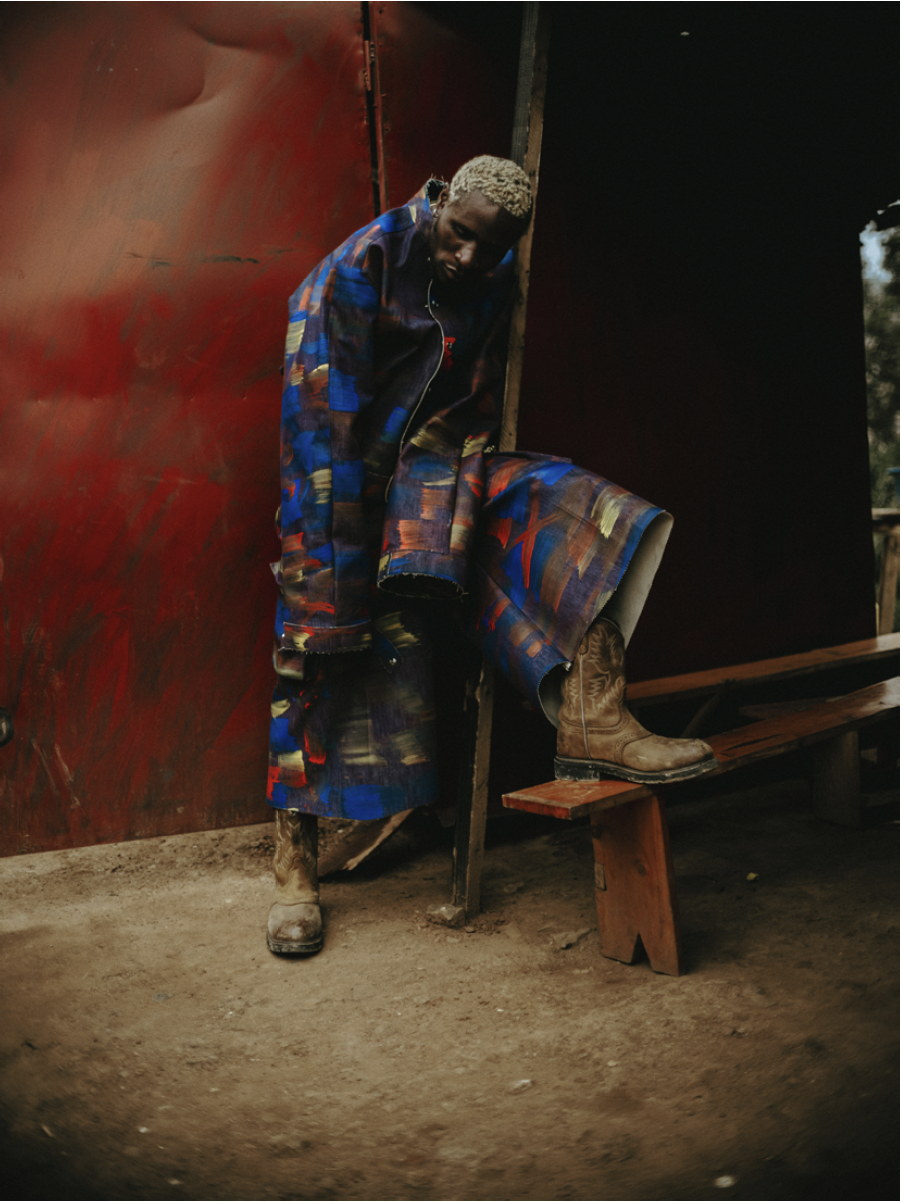
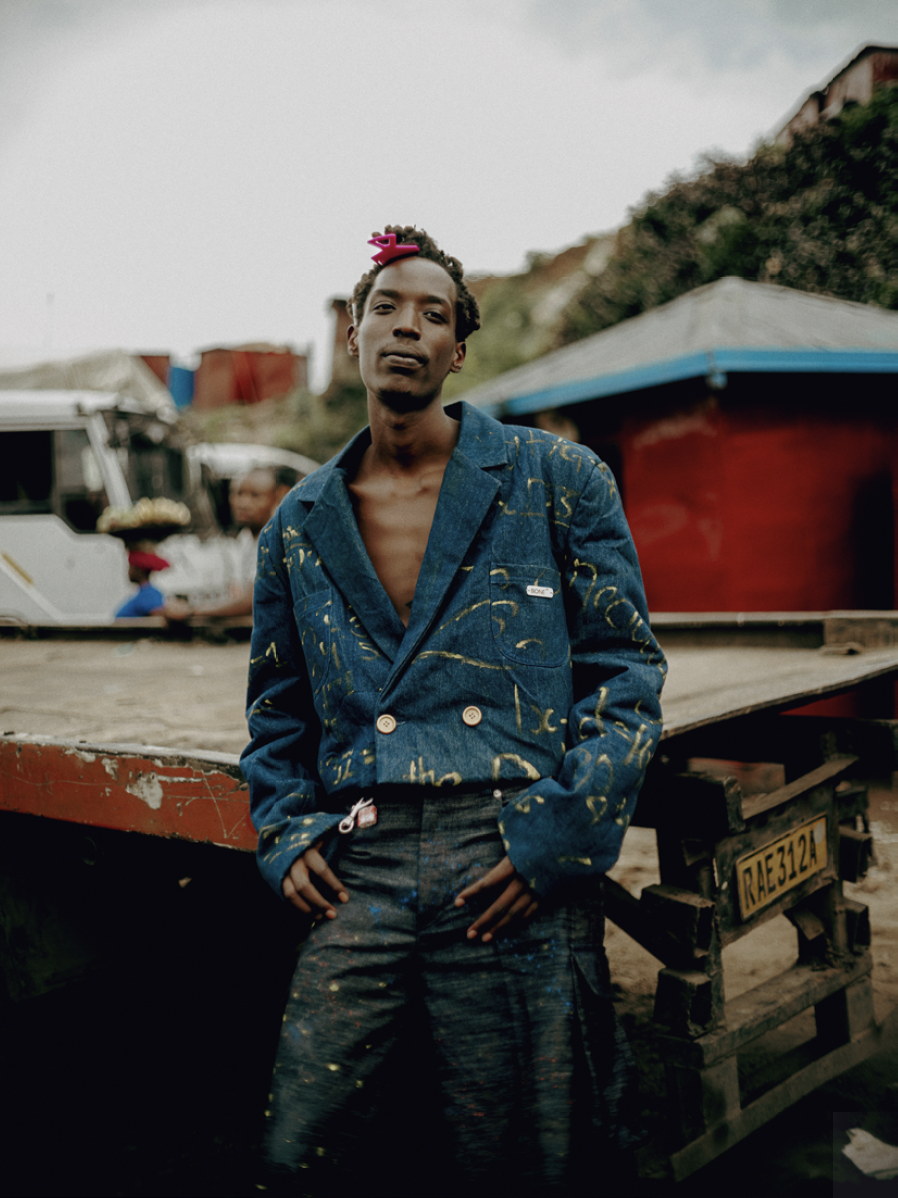
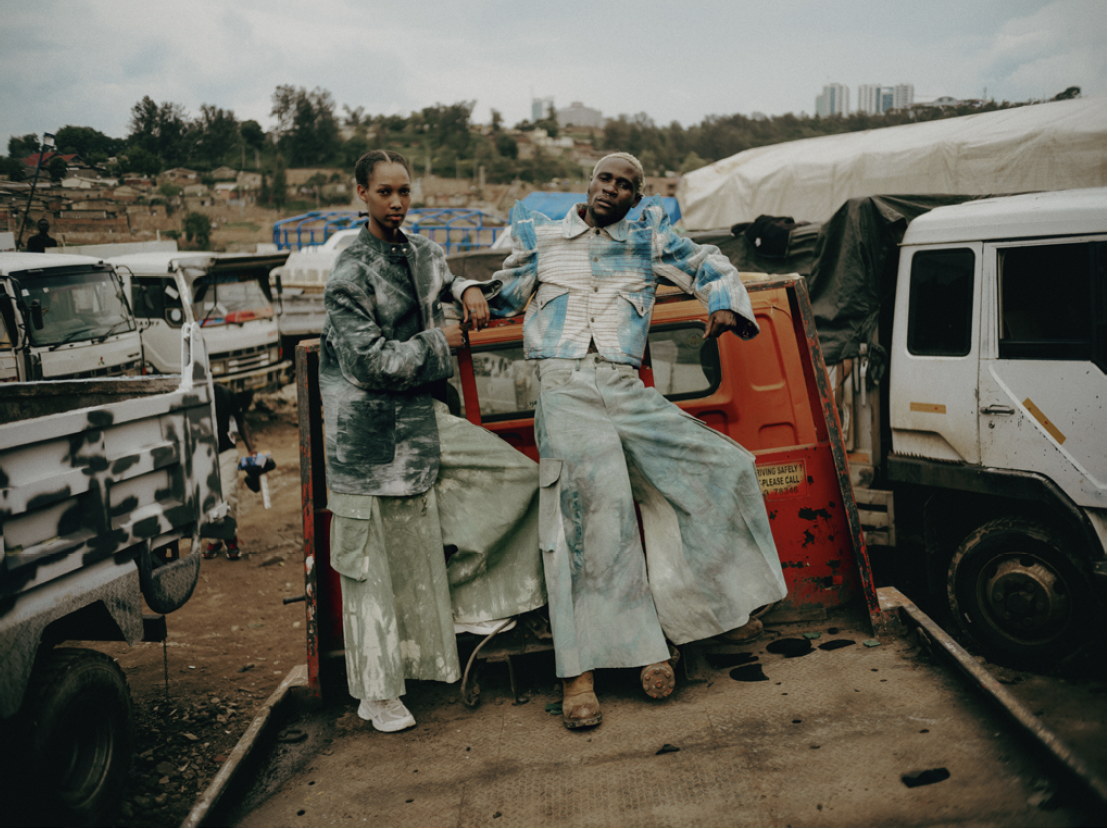
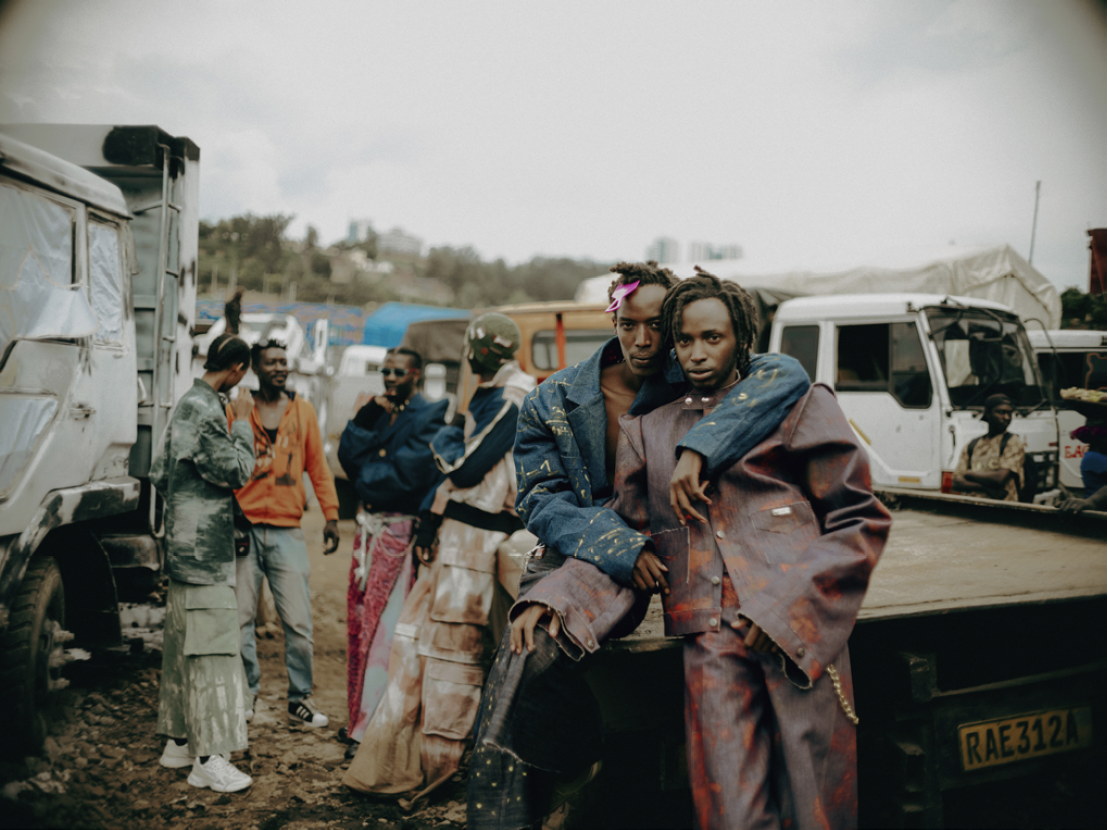
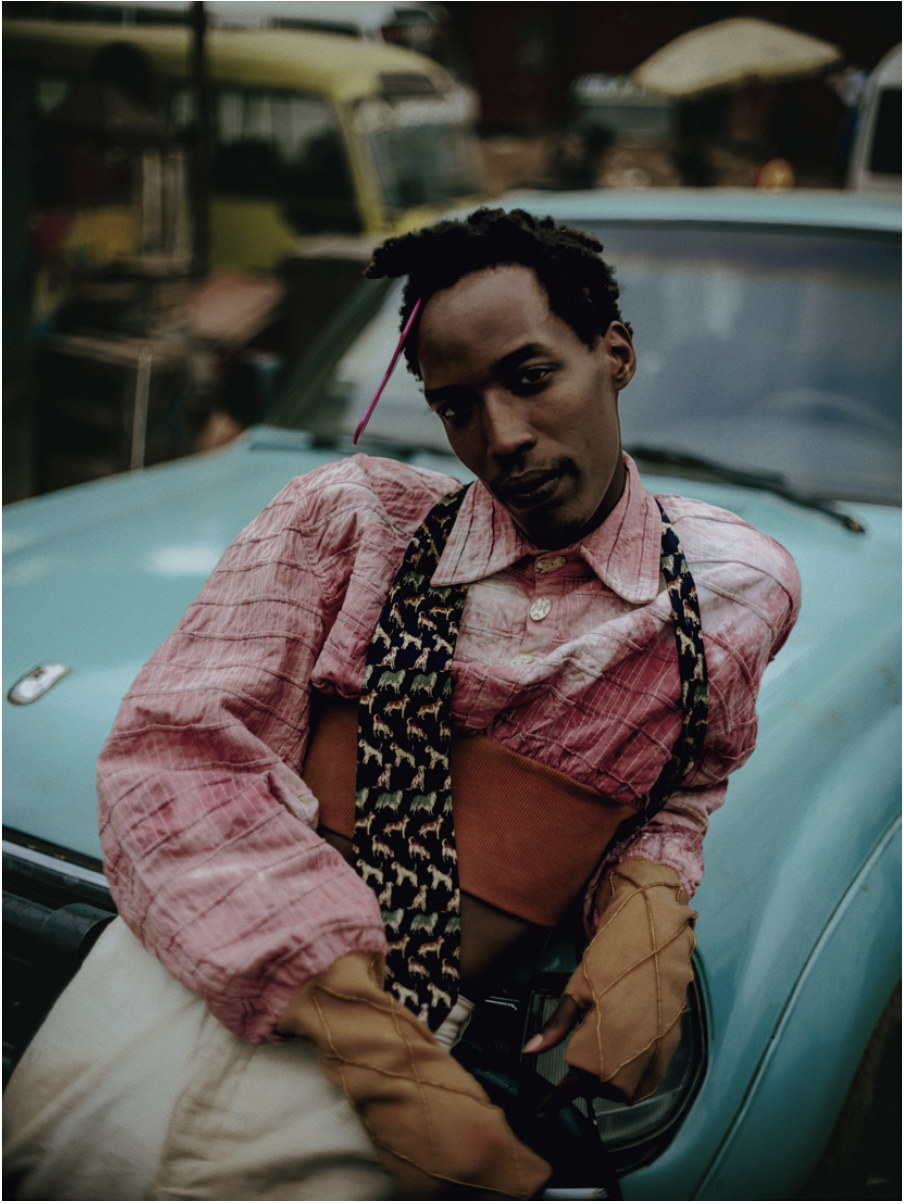
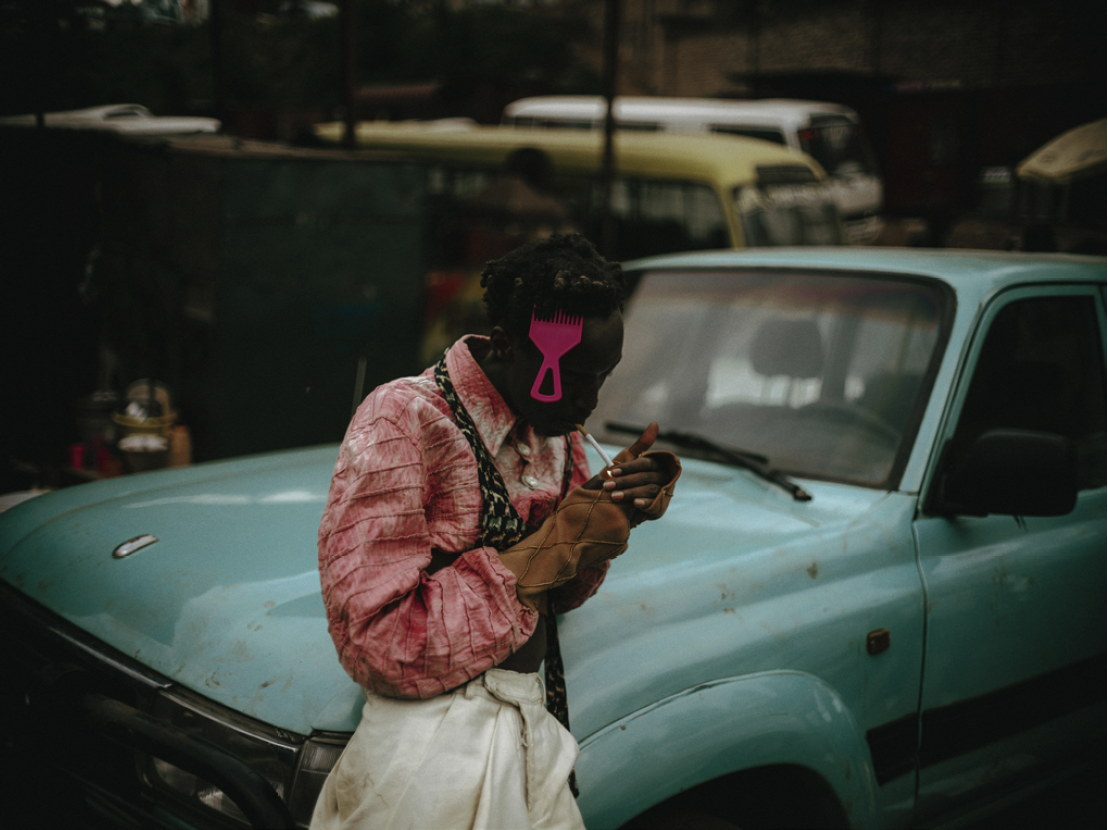
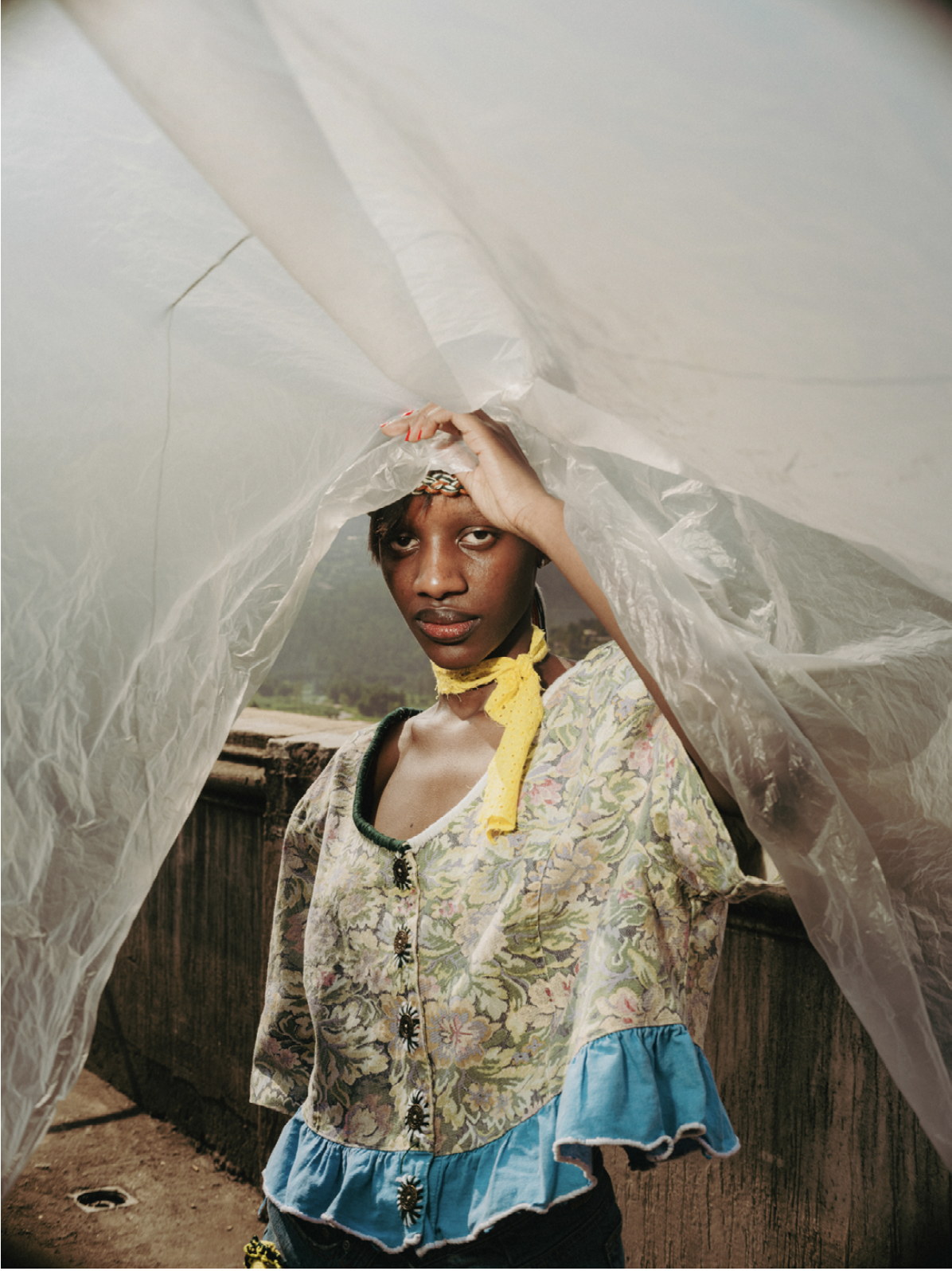
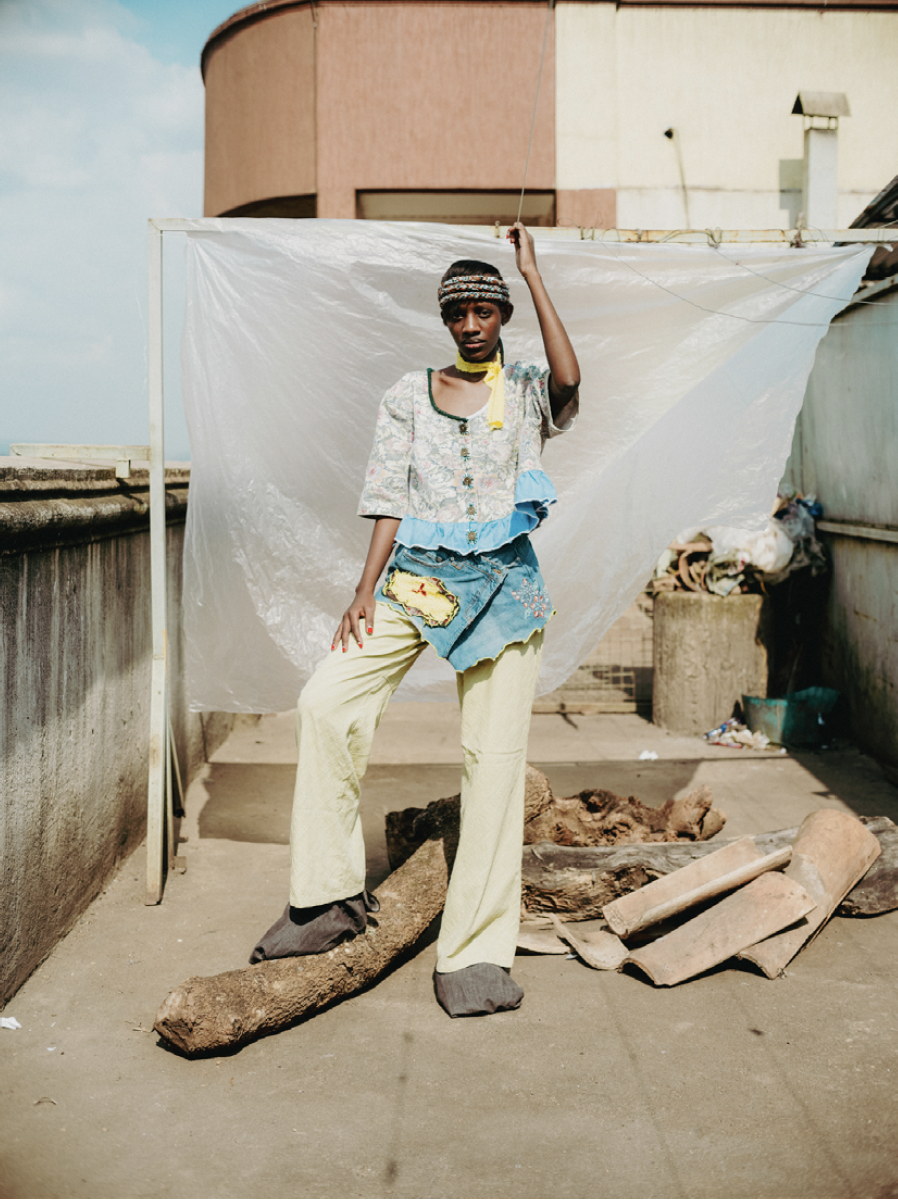
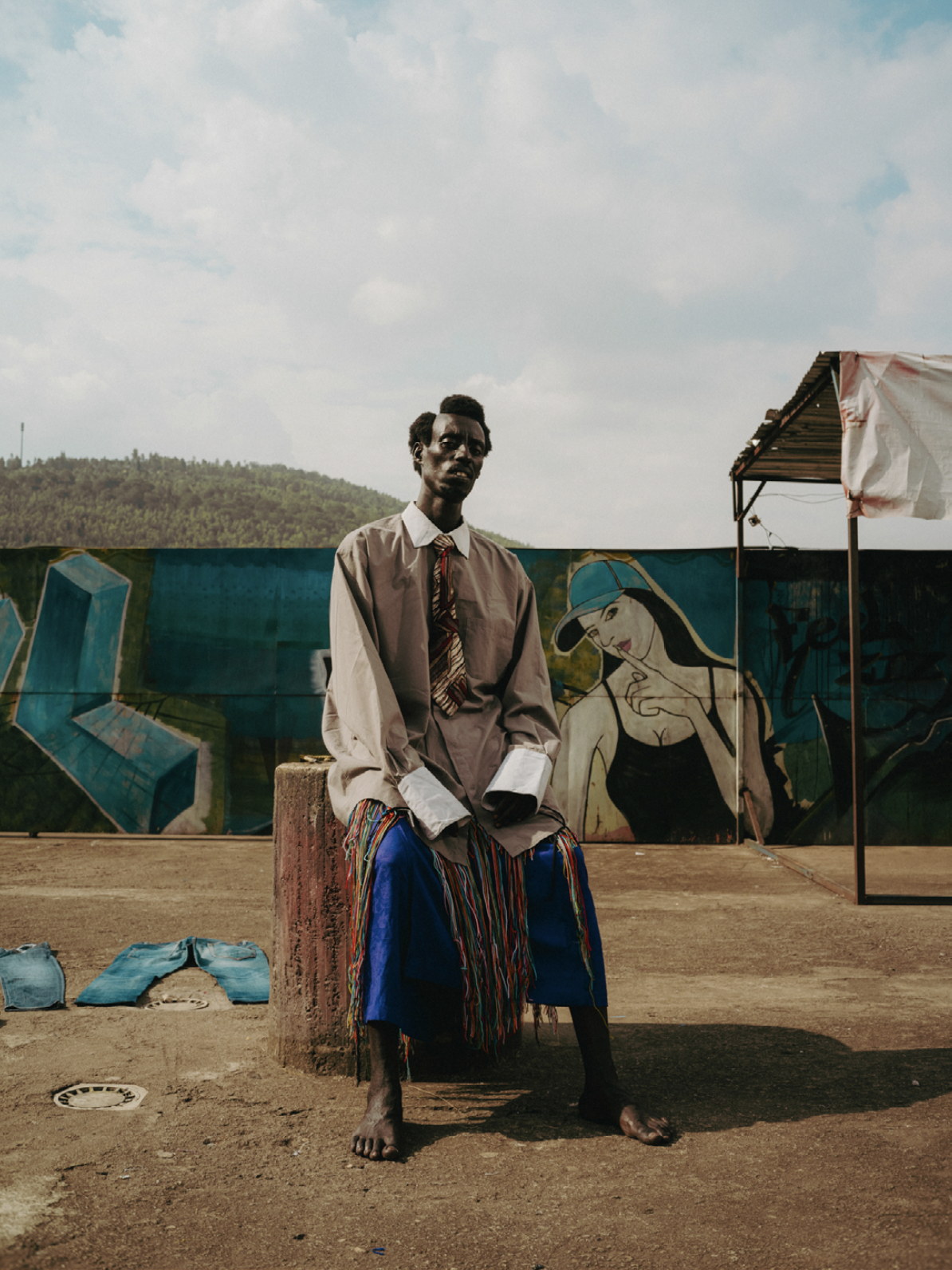
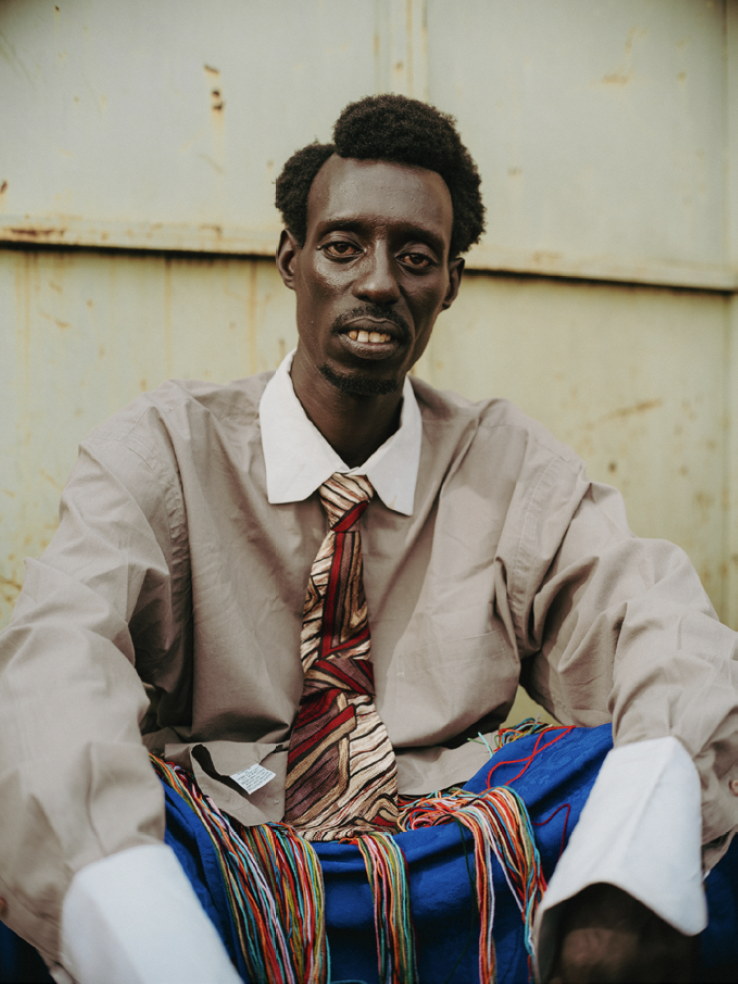
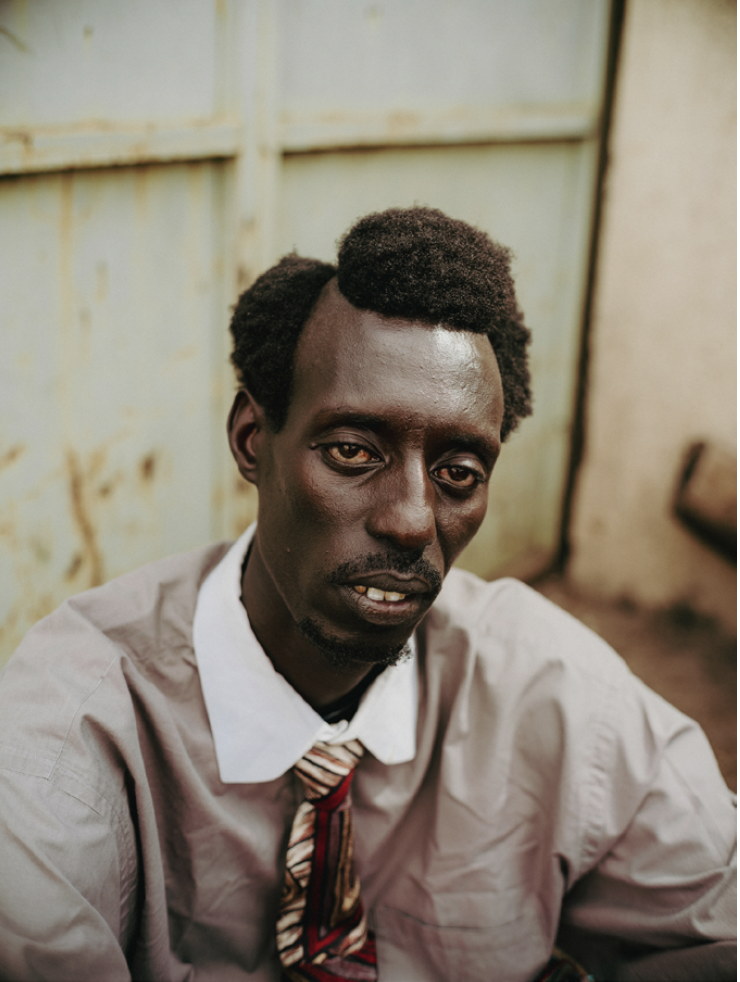
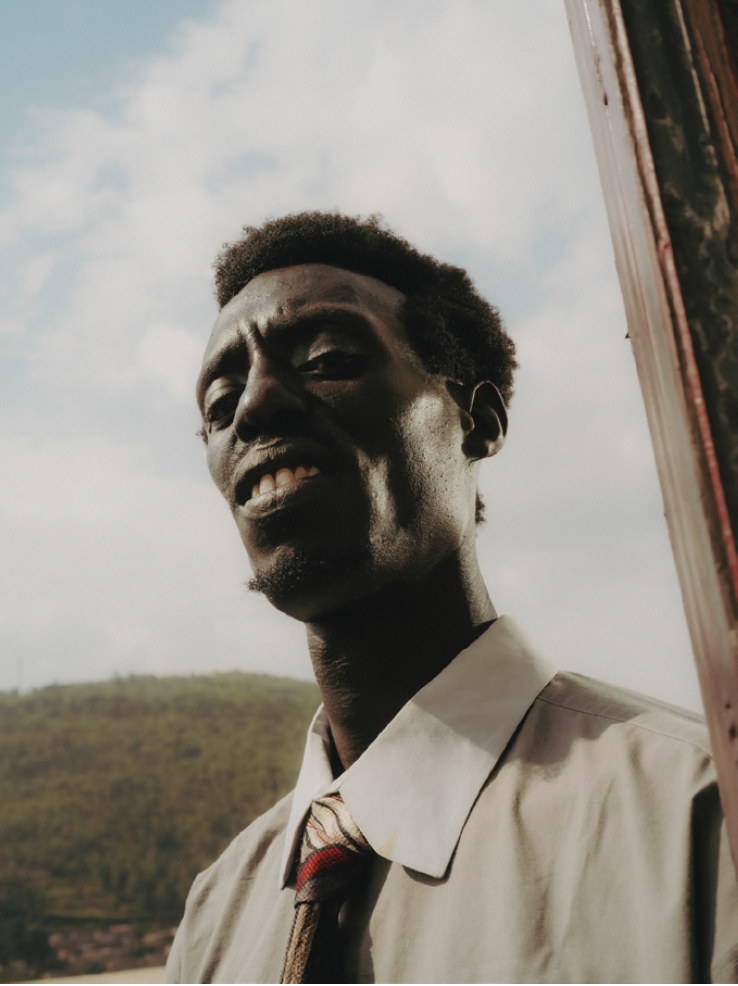
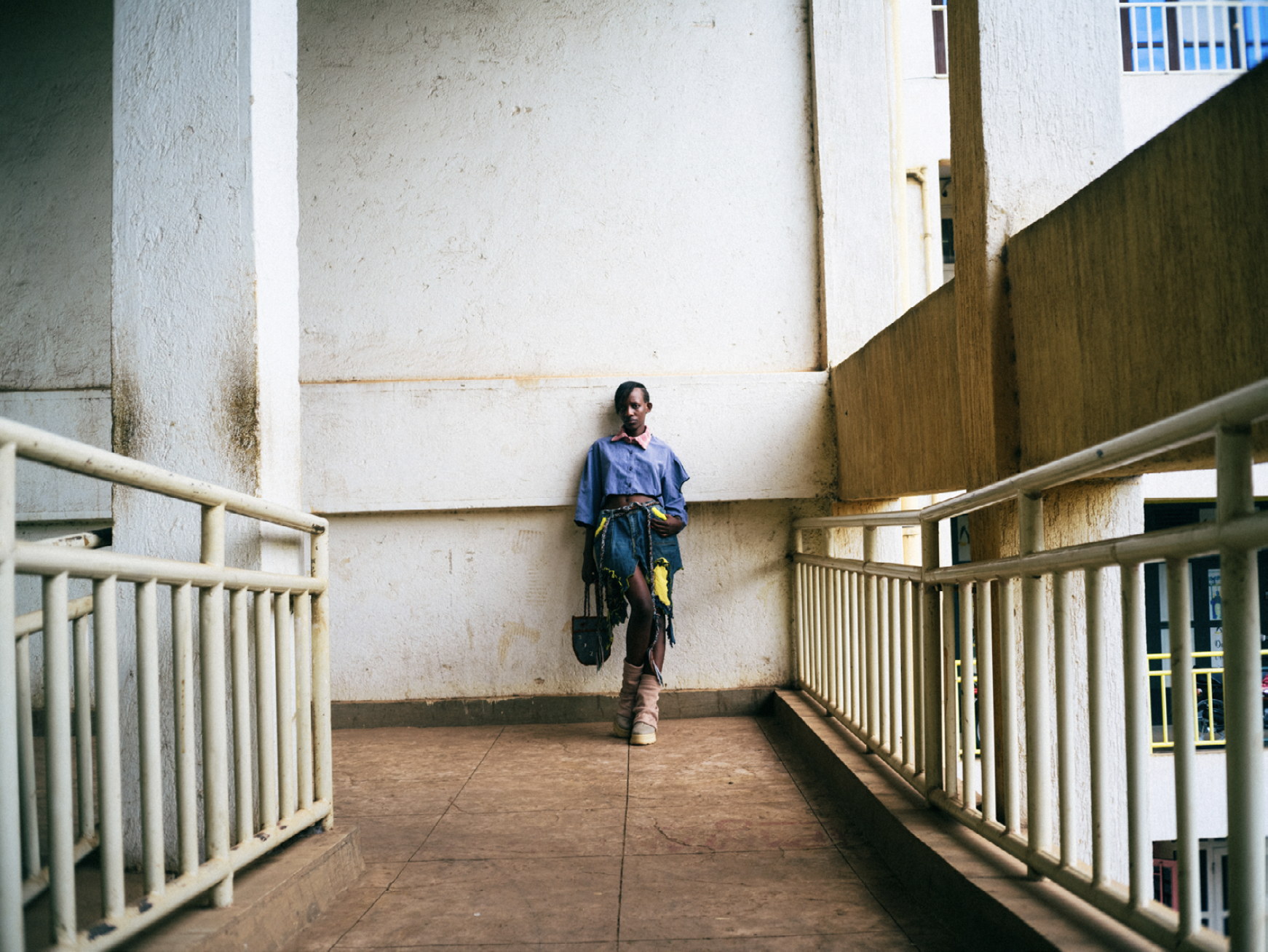
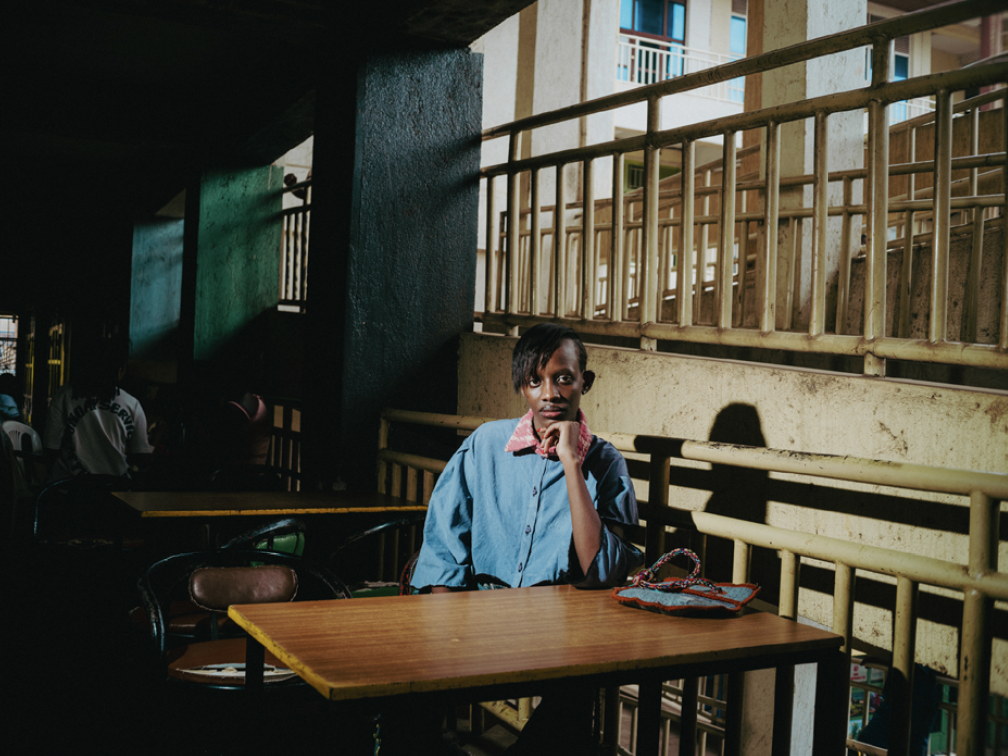
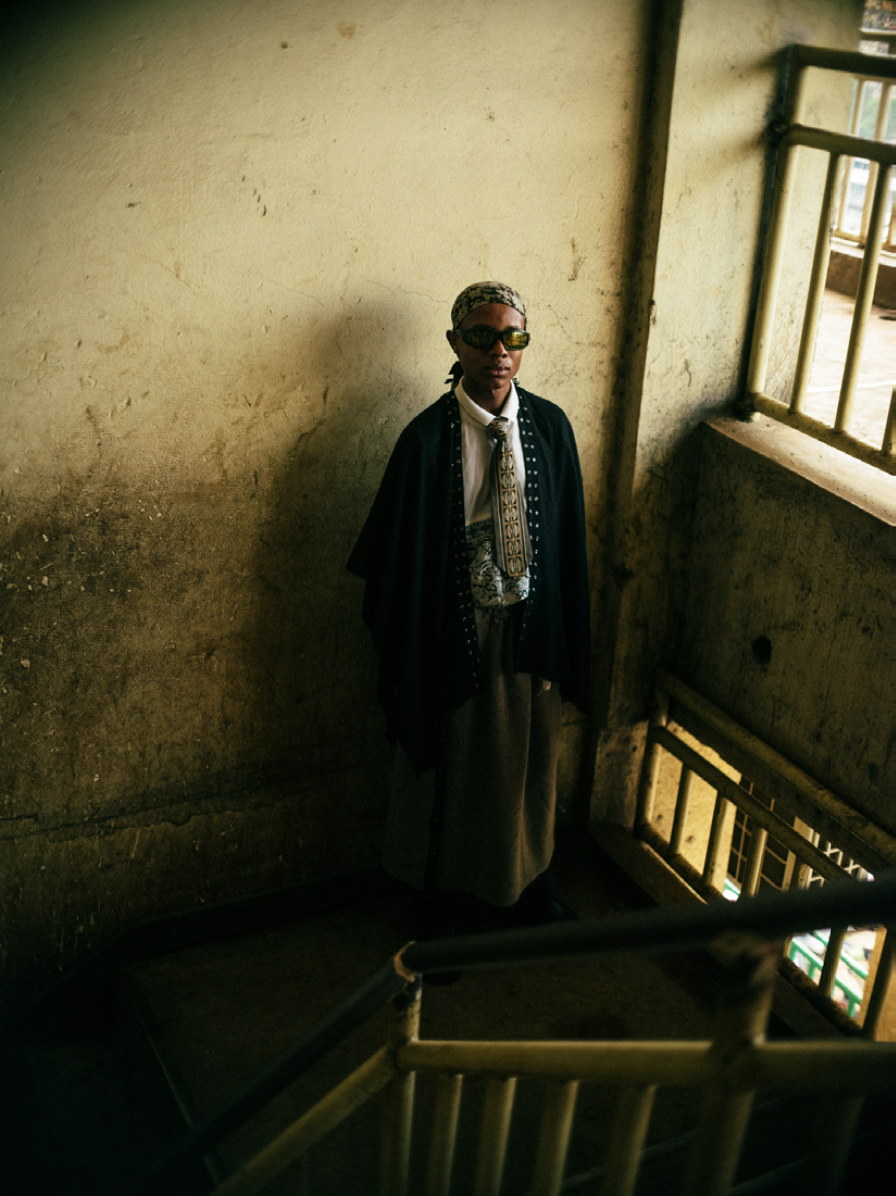
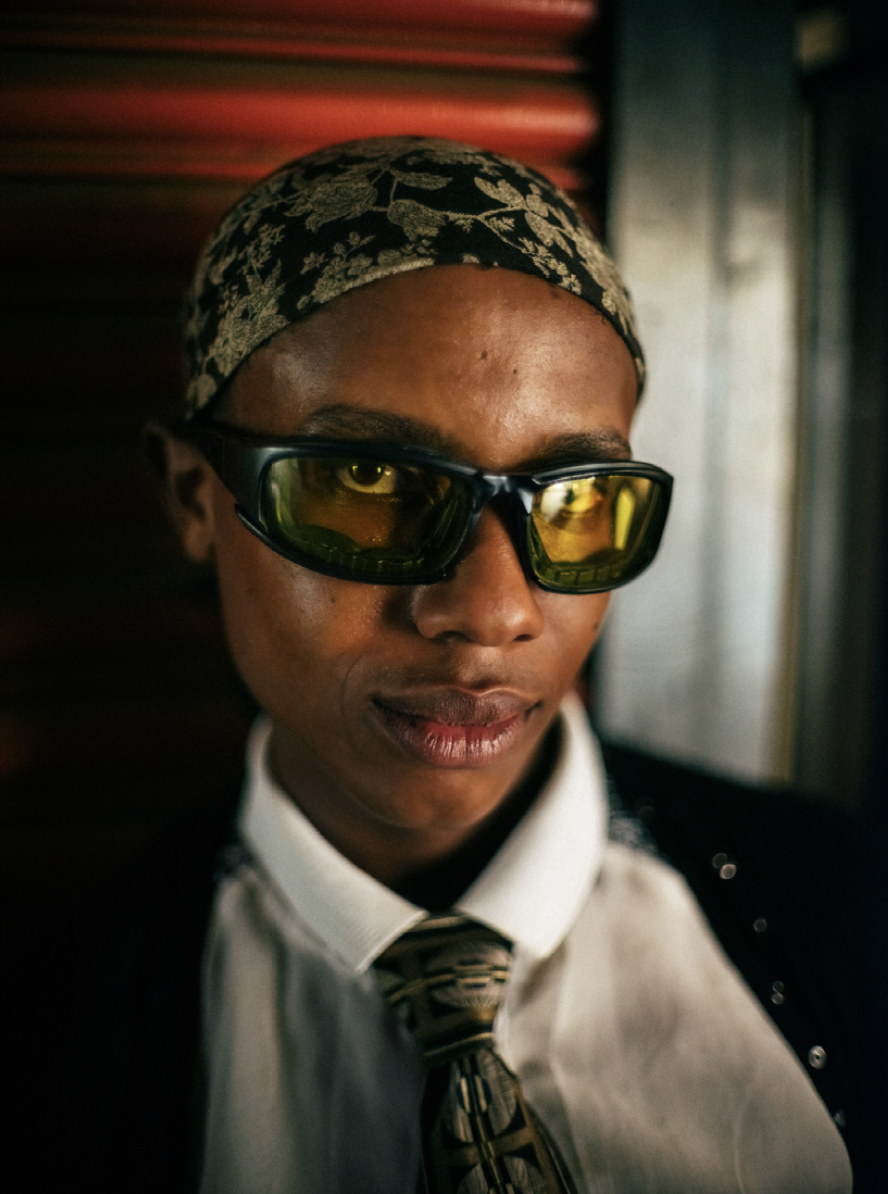
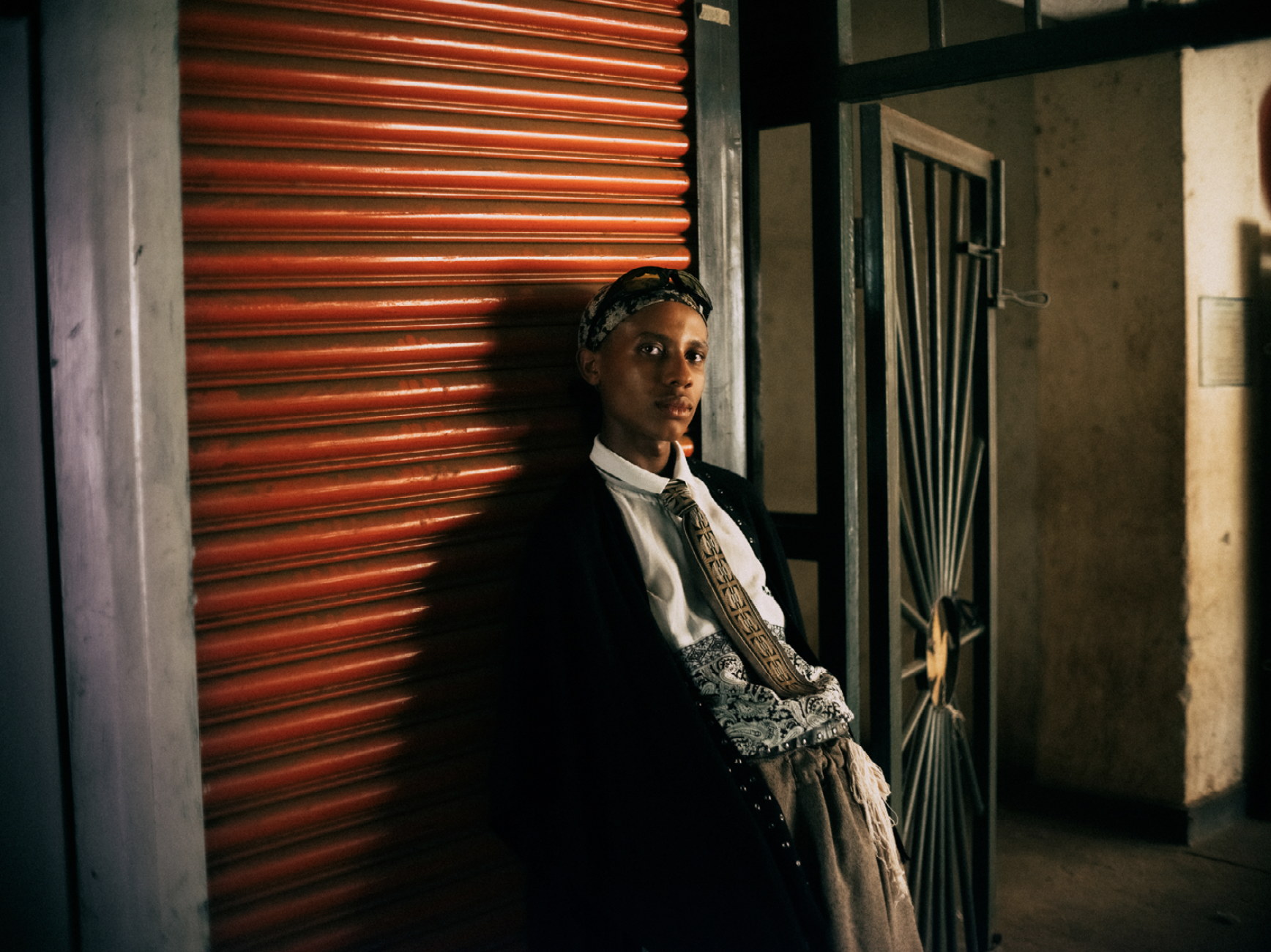
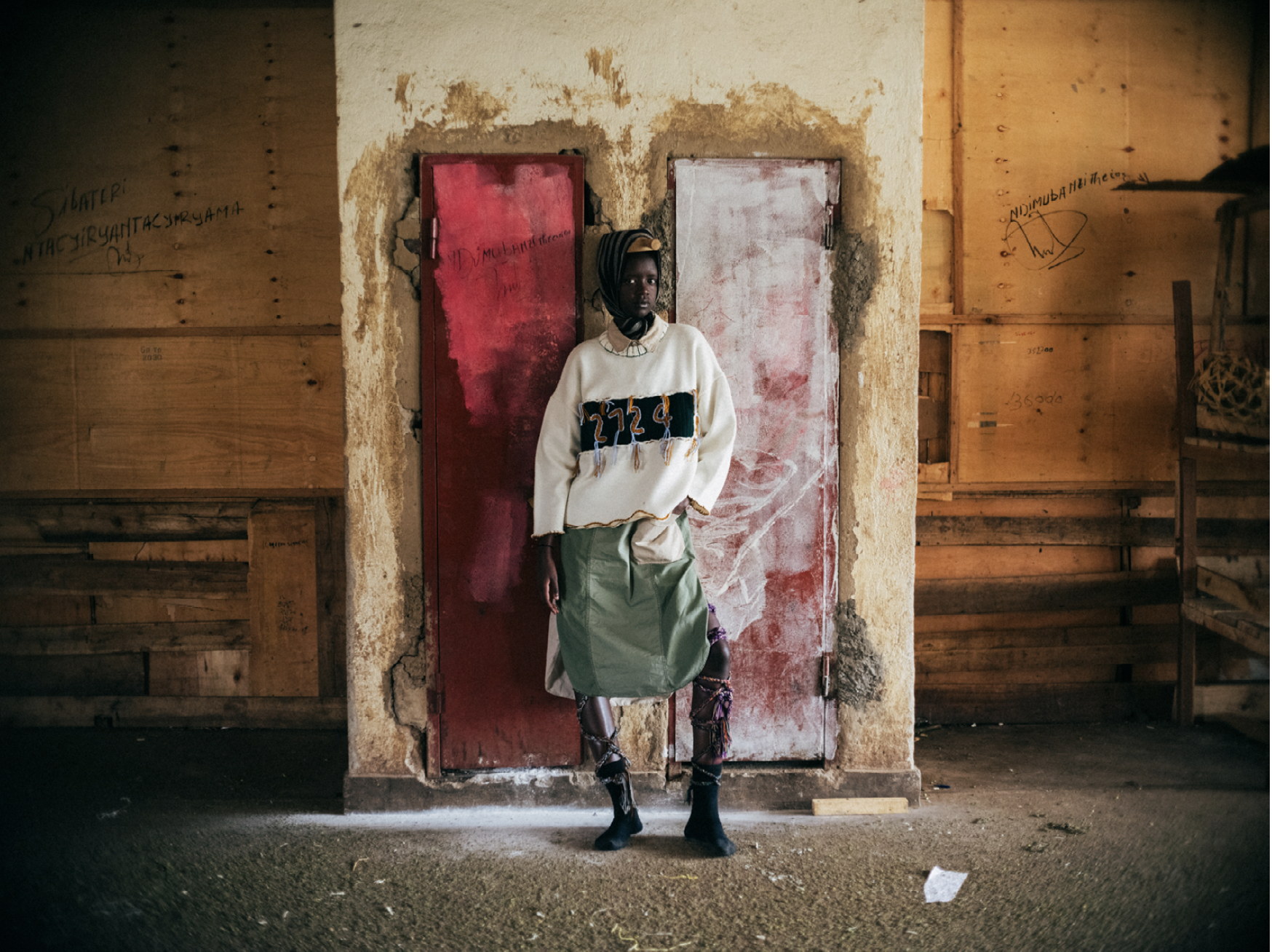
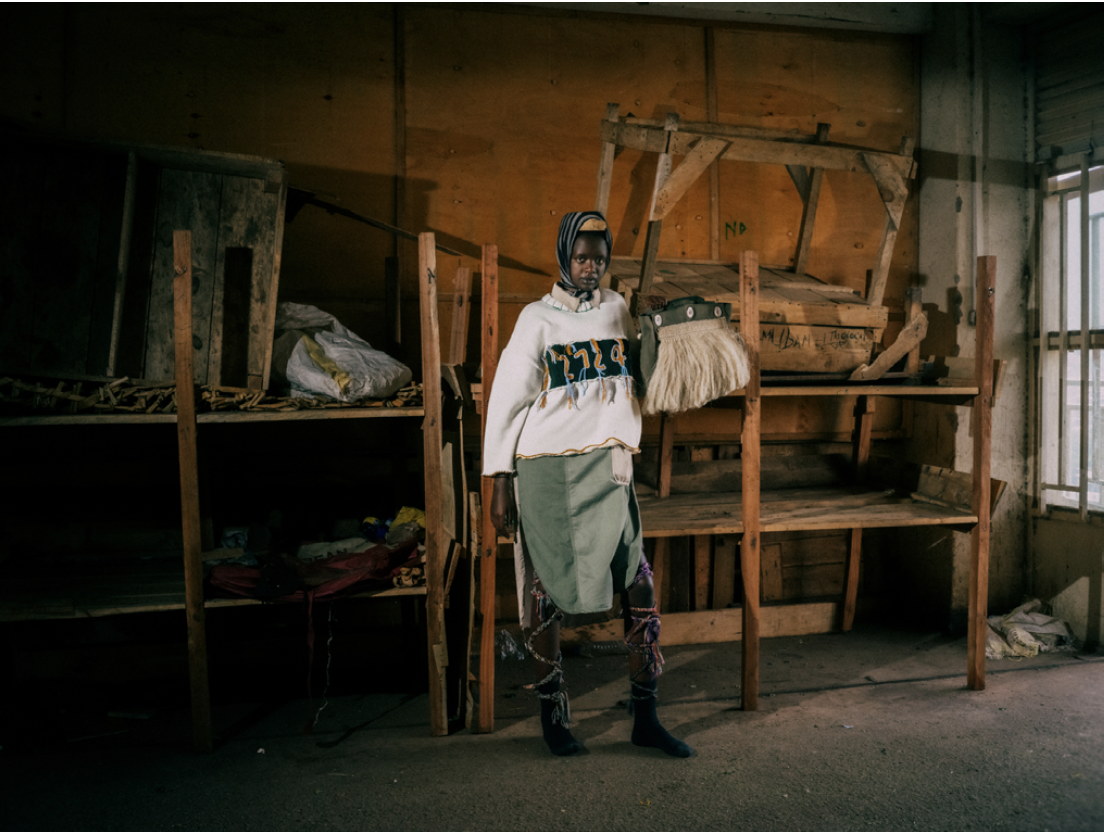
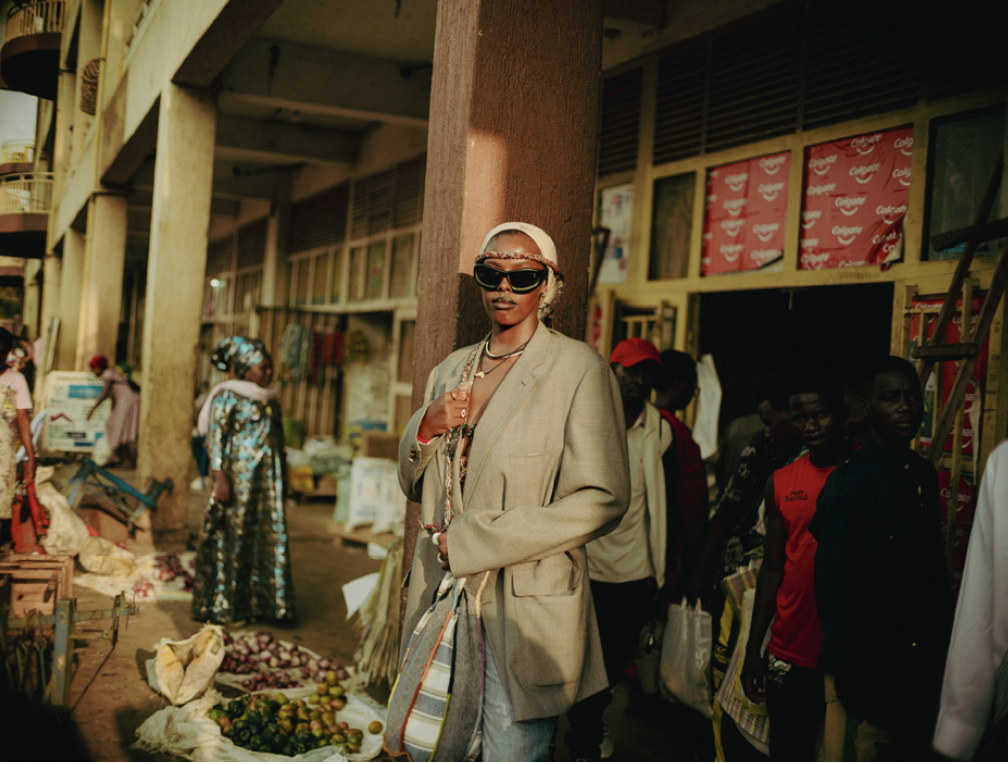
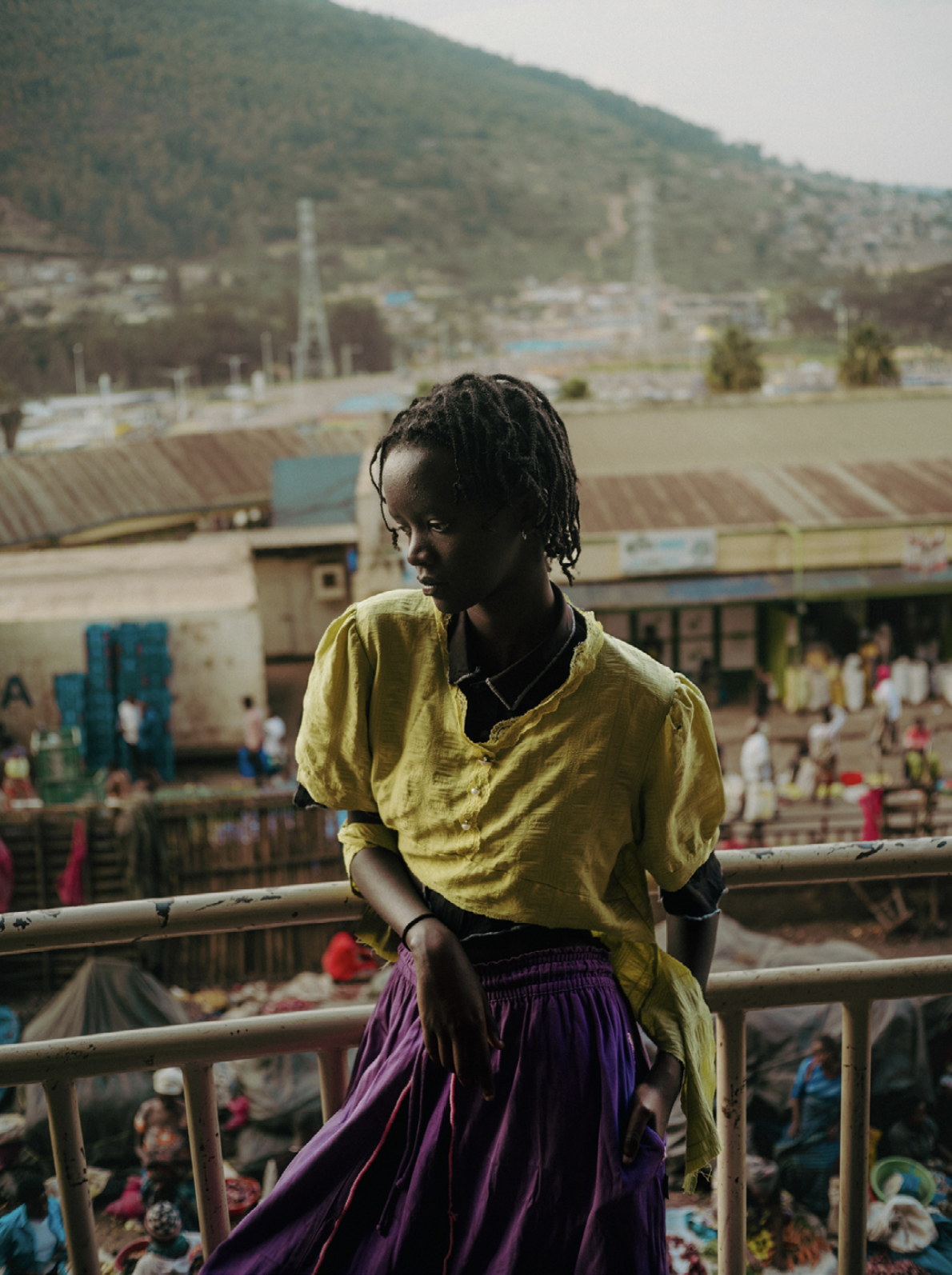
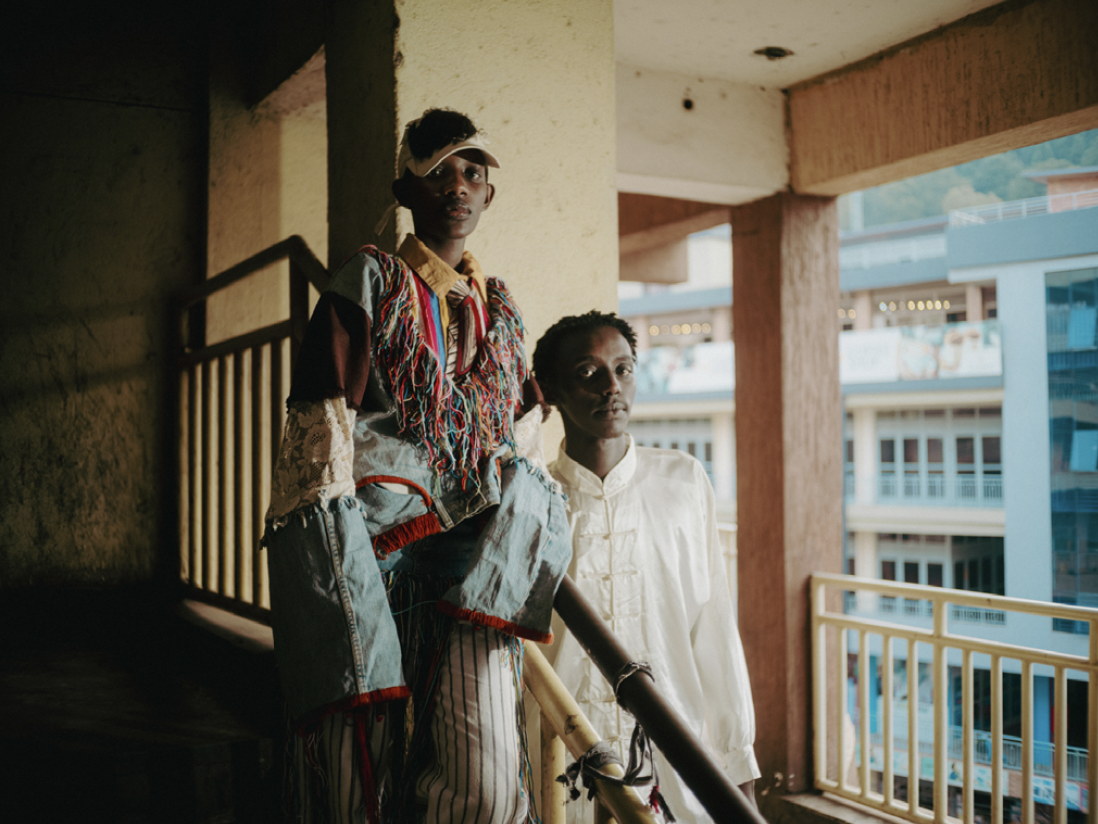
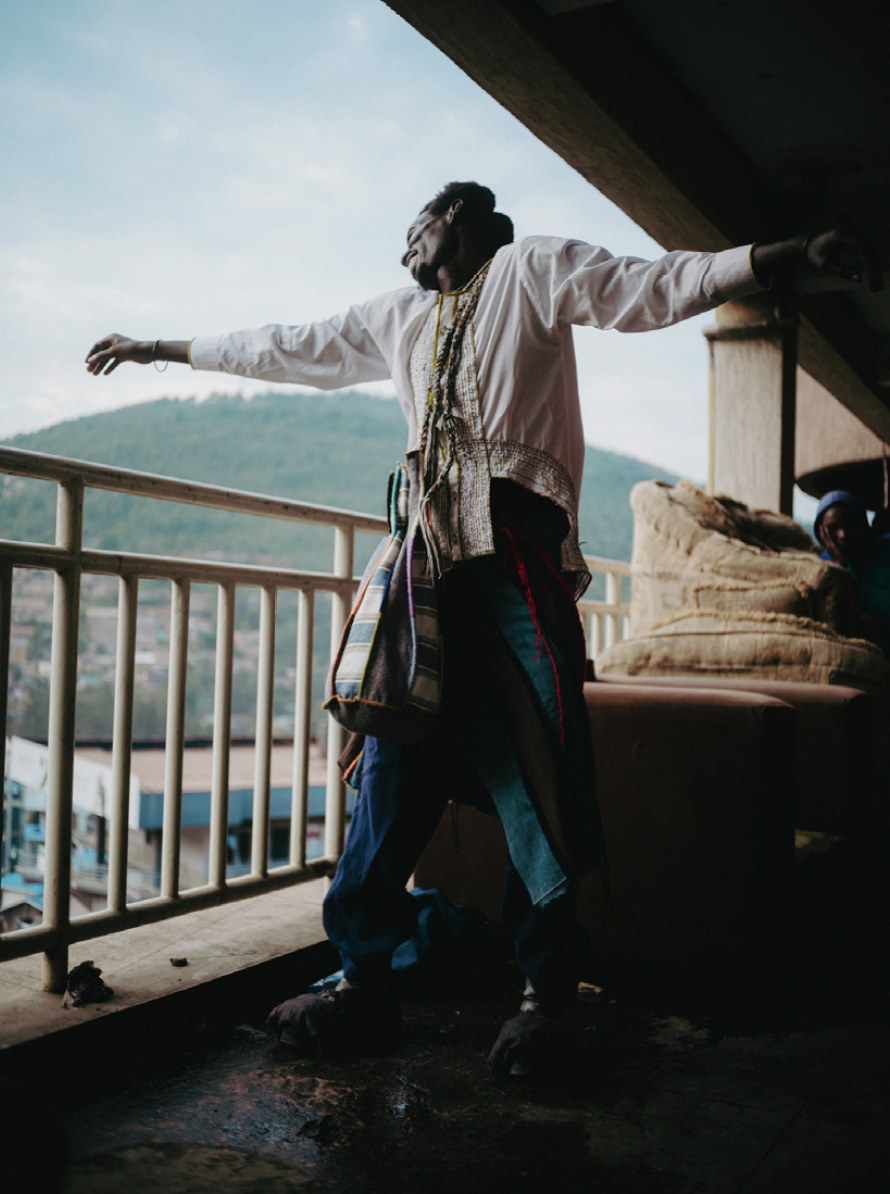
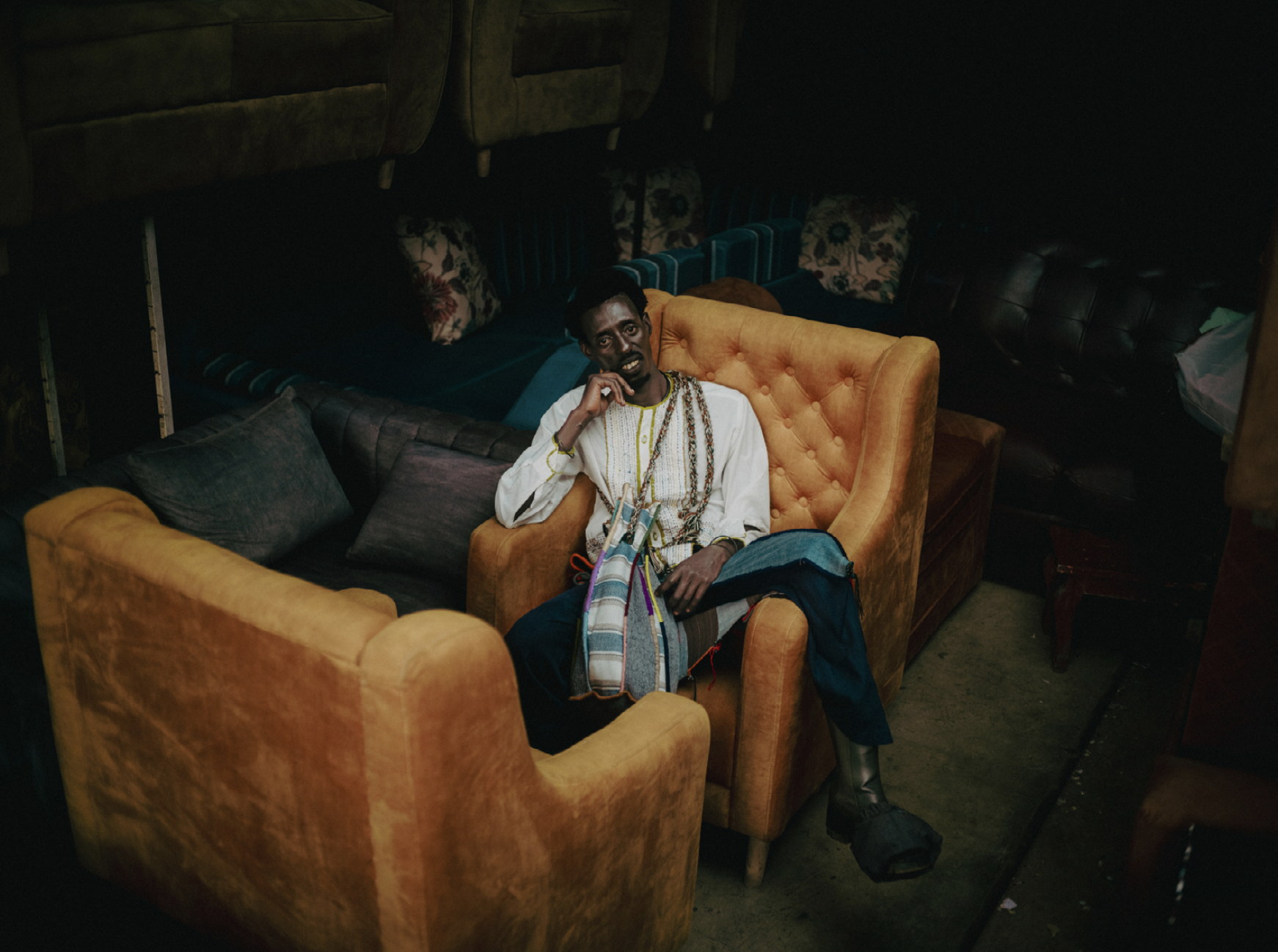
I came to Kigali because I wanted to escape Venice, where I was studying fashion and visual arts. My friend Riccardo put me in touch with an organisation looking for a photographer to run a three-month class in the rural neighbourhood of Kimisagara. Using photography as a language and tool of physical and social emancipation for people with physical disabilities, working through photovoice: placing cameras in the hands of those who had never had cameras placed in theirs, to tell their own stories and look at the world in a new way. The photographs gathered here were born in Kigali, but elsewhere — at the edges of that mandate, in the margins of my free time, during explorations around the city and the forming of bonds with new friends. Two shoots, two fashion projects, and behind them the same generation, a strong community: the first to grow up after 1994, in a Rwanda in full development, but where the fracture is still subtly perceptible — and that, for this very reason, makes culture with a seriousness and spirit that those of us from the old continent rarely come across. Art is not a professional option but the way these young people hold themselves together — community, devotion, a secular faith in images and clothes as real vehicles of dialogue, of passage, of meaning. The people you see in these photographs are not hired models. They are the friends I went dancing with at night, the ones who opened Kigali to me. This is not the gaze of a fashion photographer: it is the gaze of someone who was lucky enough to be in their company, to be swept up by their passion, and to decide, in some way, to become part of it.
Umberto Santoro (Palermo, 1995) is a visual artist and photographer working between Palermo, Venice and Milan. His practice moves between documentary photography, archive and a critical reflection on the image as historically sedimented matter, working on the tensions between perception, memory and power. He understands the image as an active space of inquiry — a site of friction between what appears and what remains invisible, removed or sedimented — and investigates in particular the apparatuses of state and economic power and the forms of popular resistance that run through them, with a focus on Southern Italy and its historical and contemporary landscapes.
Fine art prints available — send a request for more information and commissions.