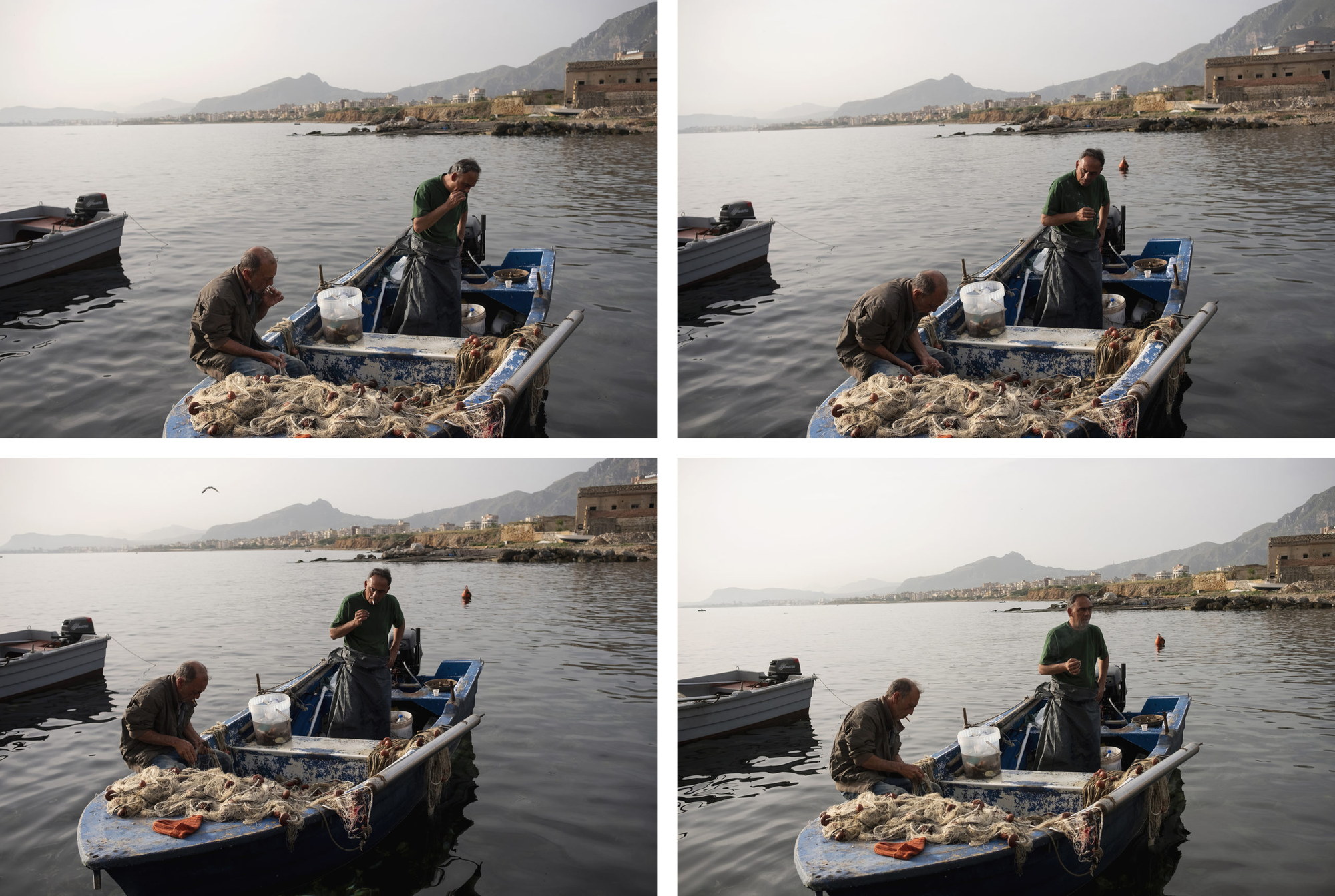
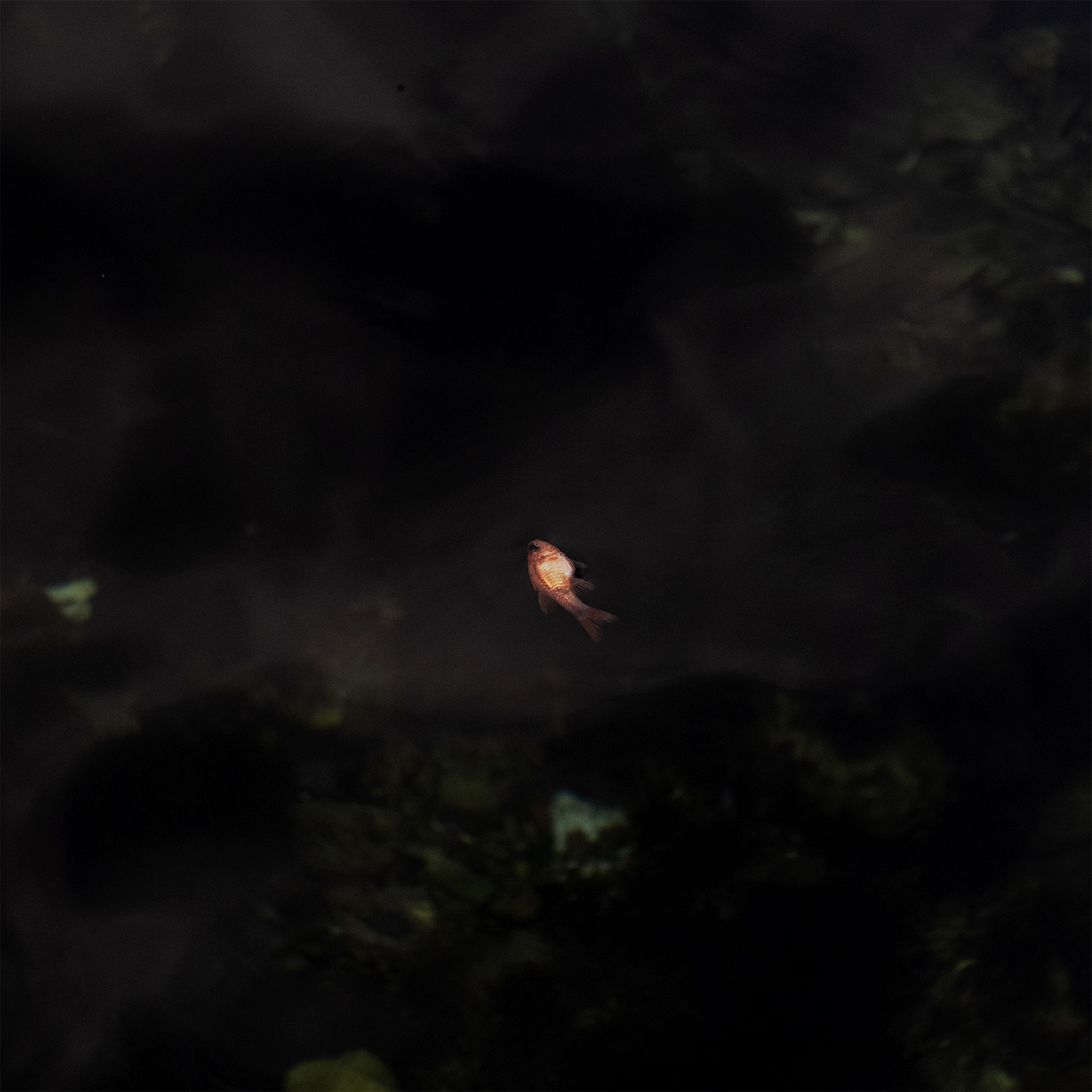
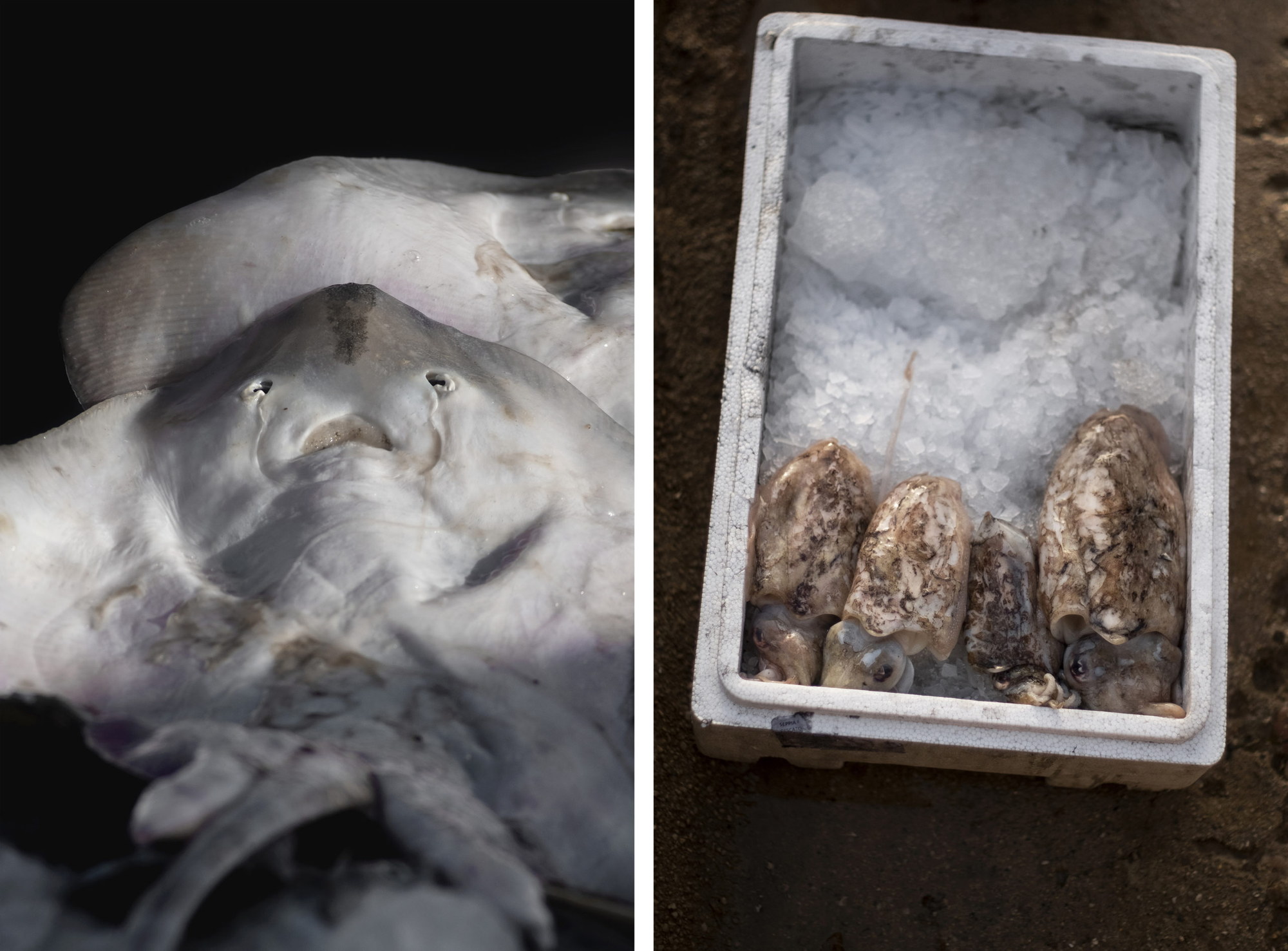
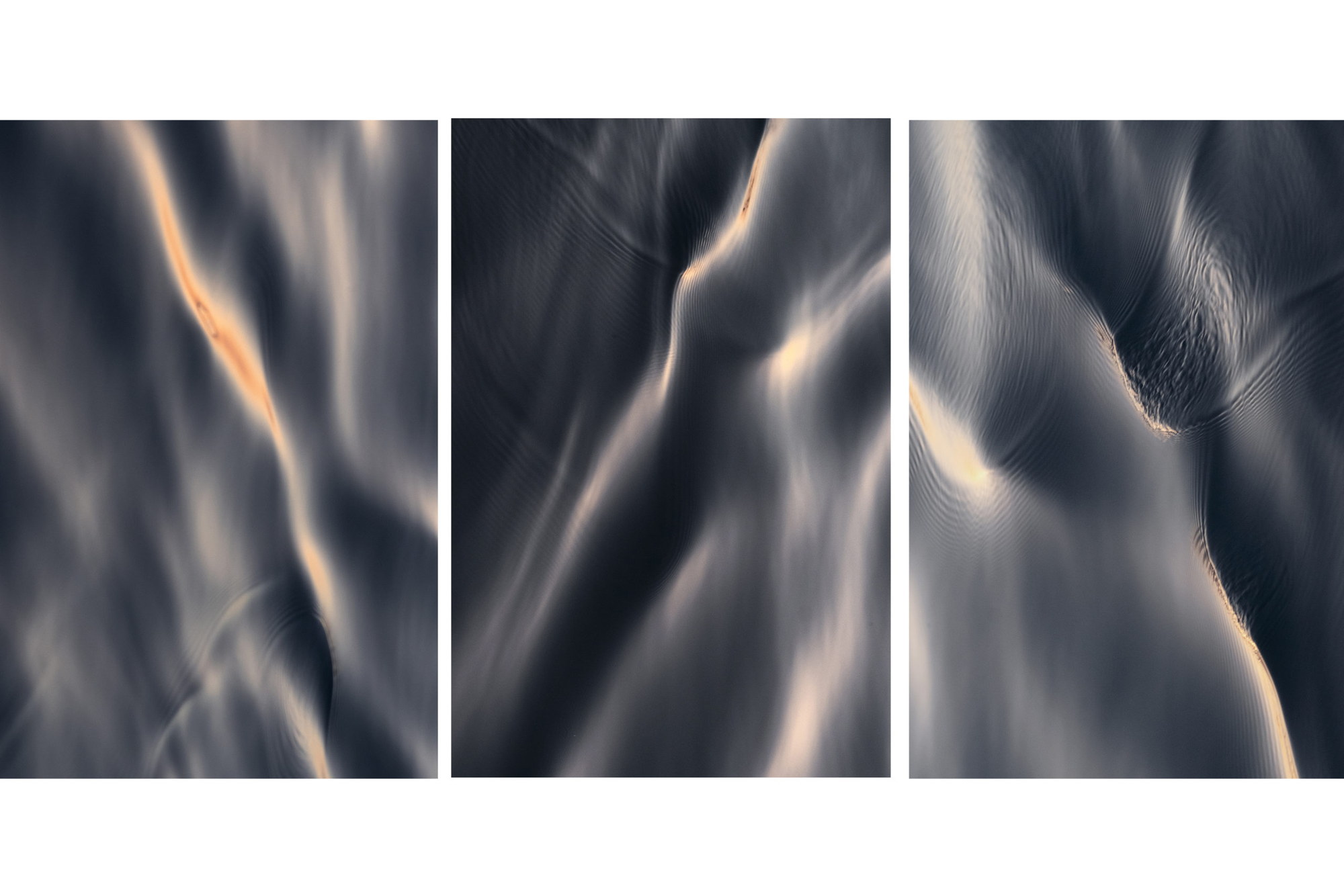
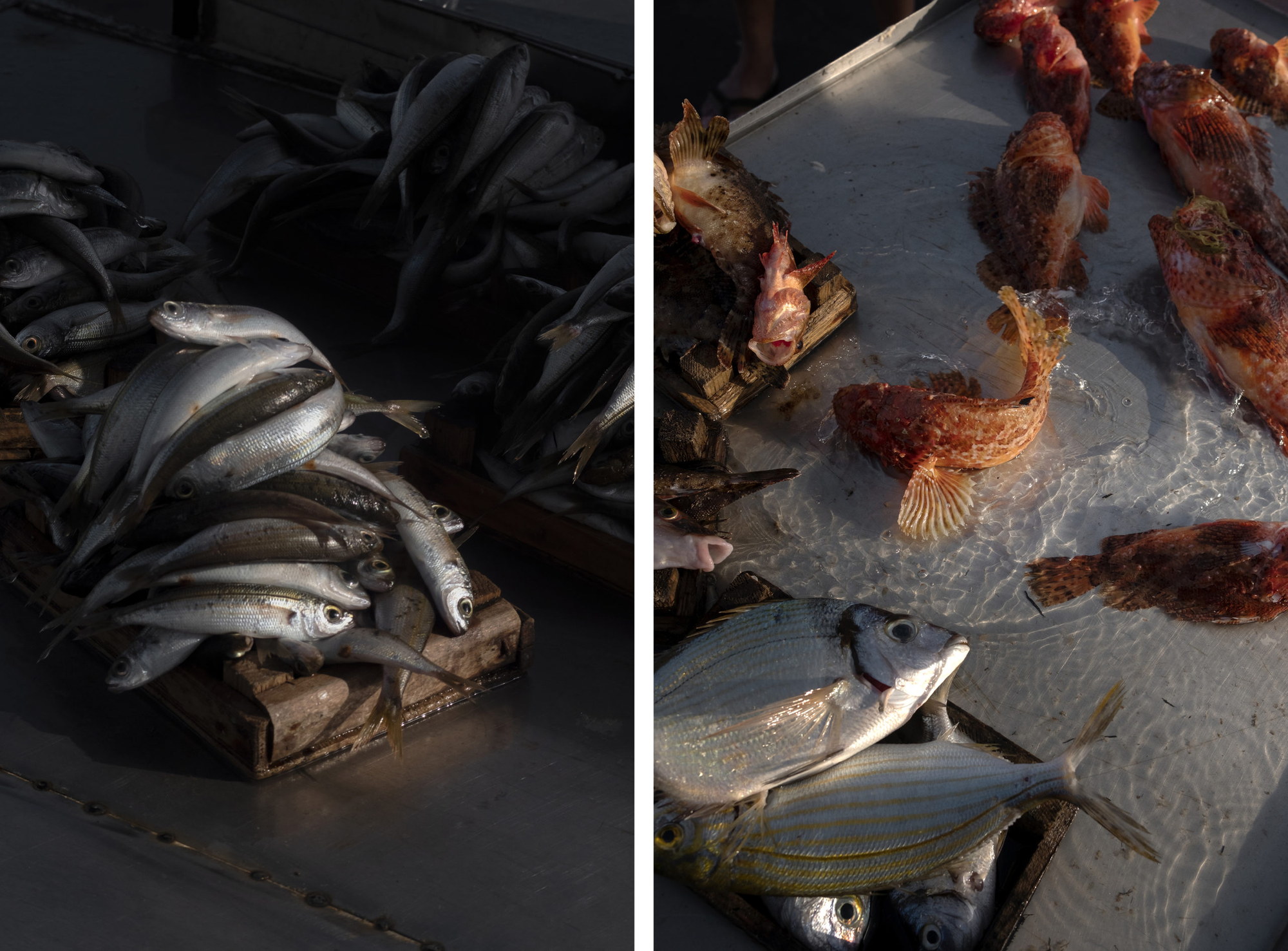
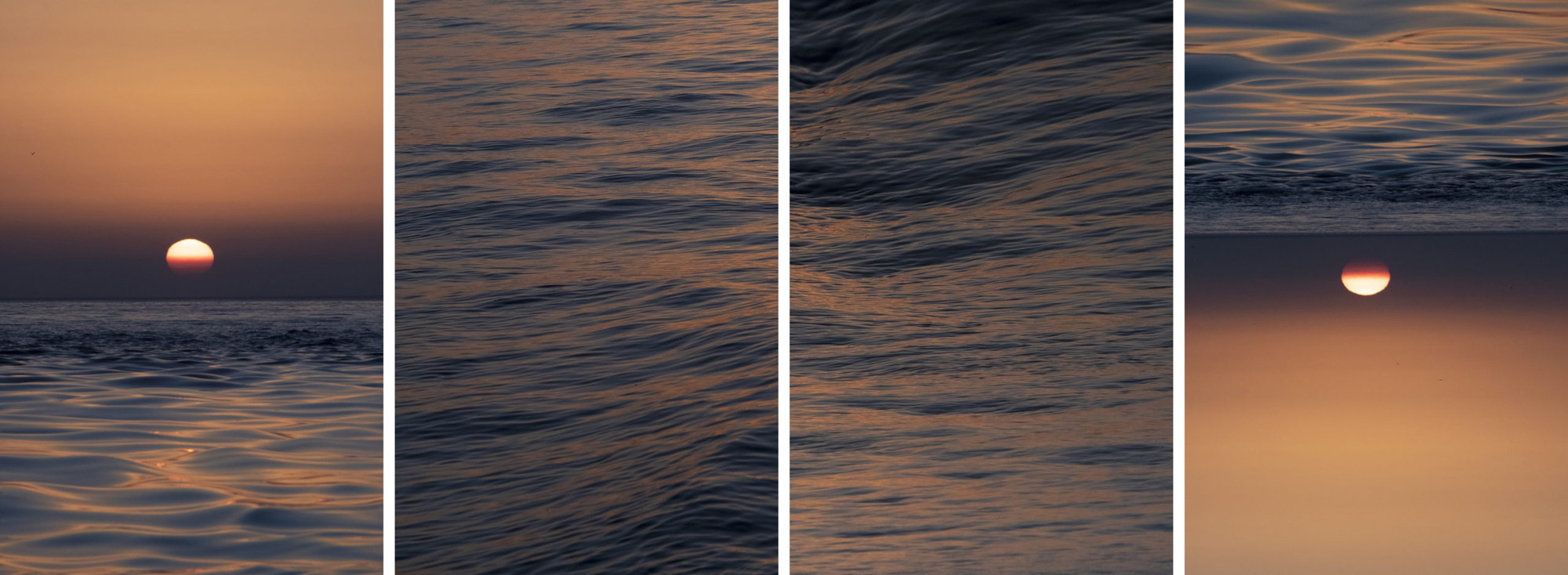
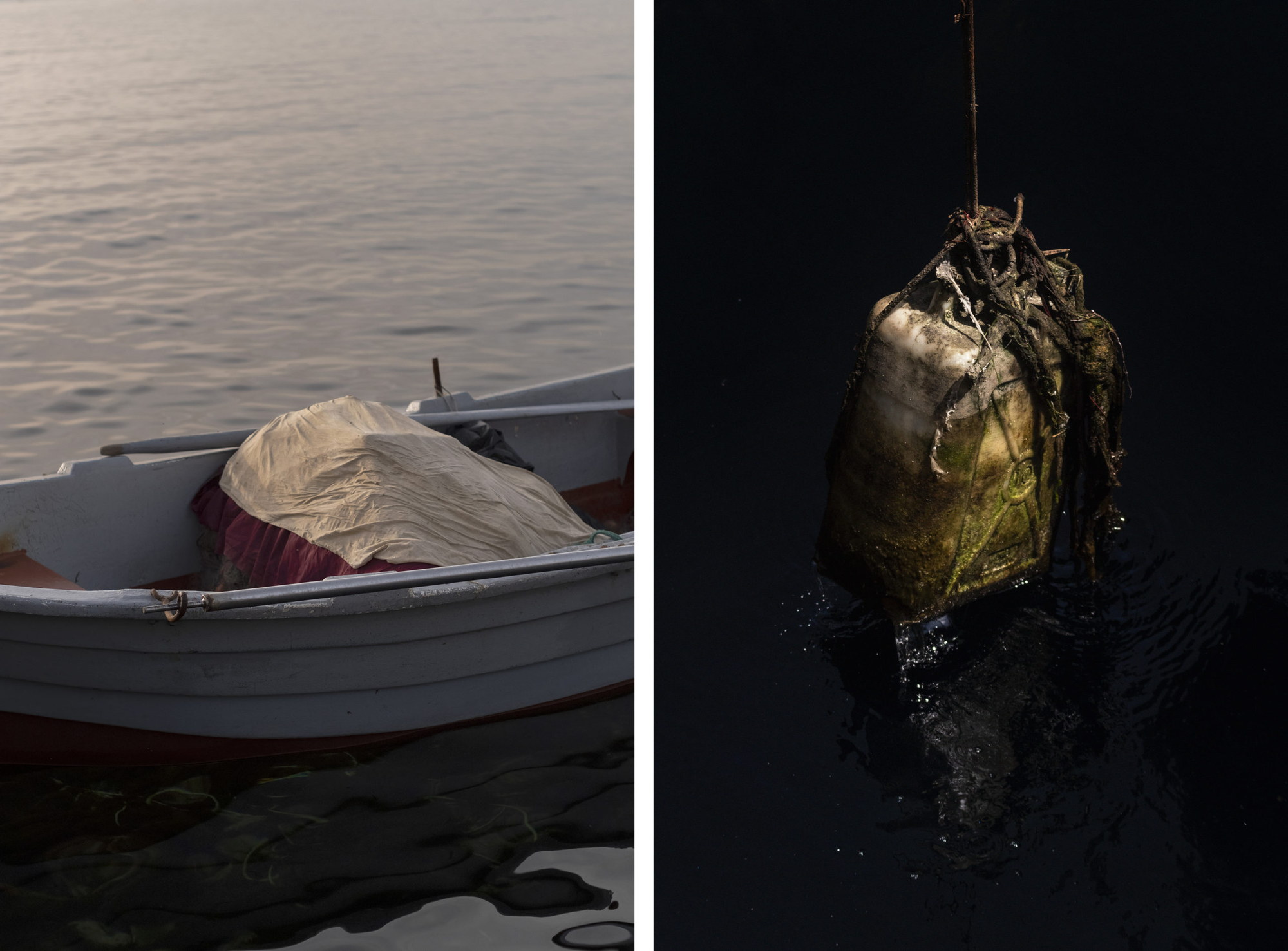
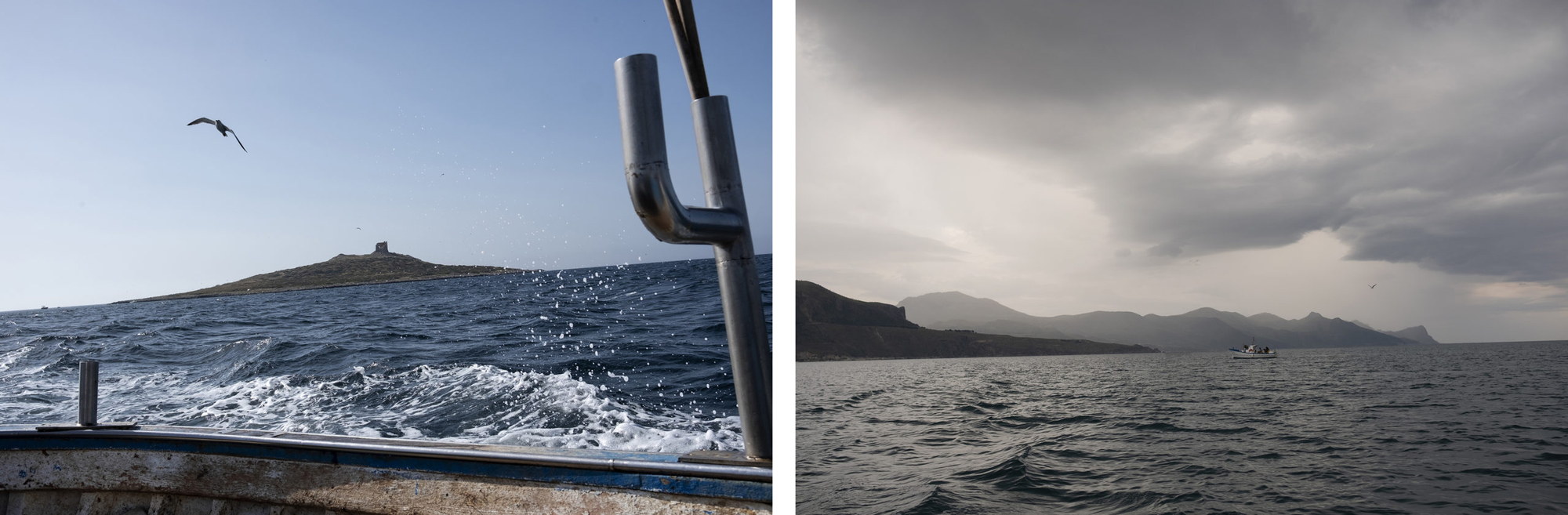
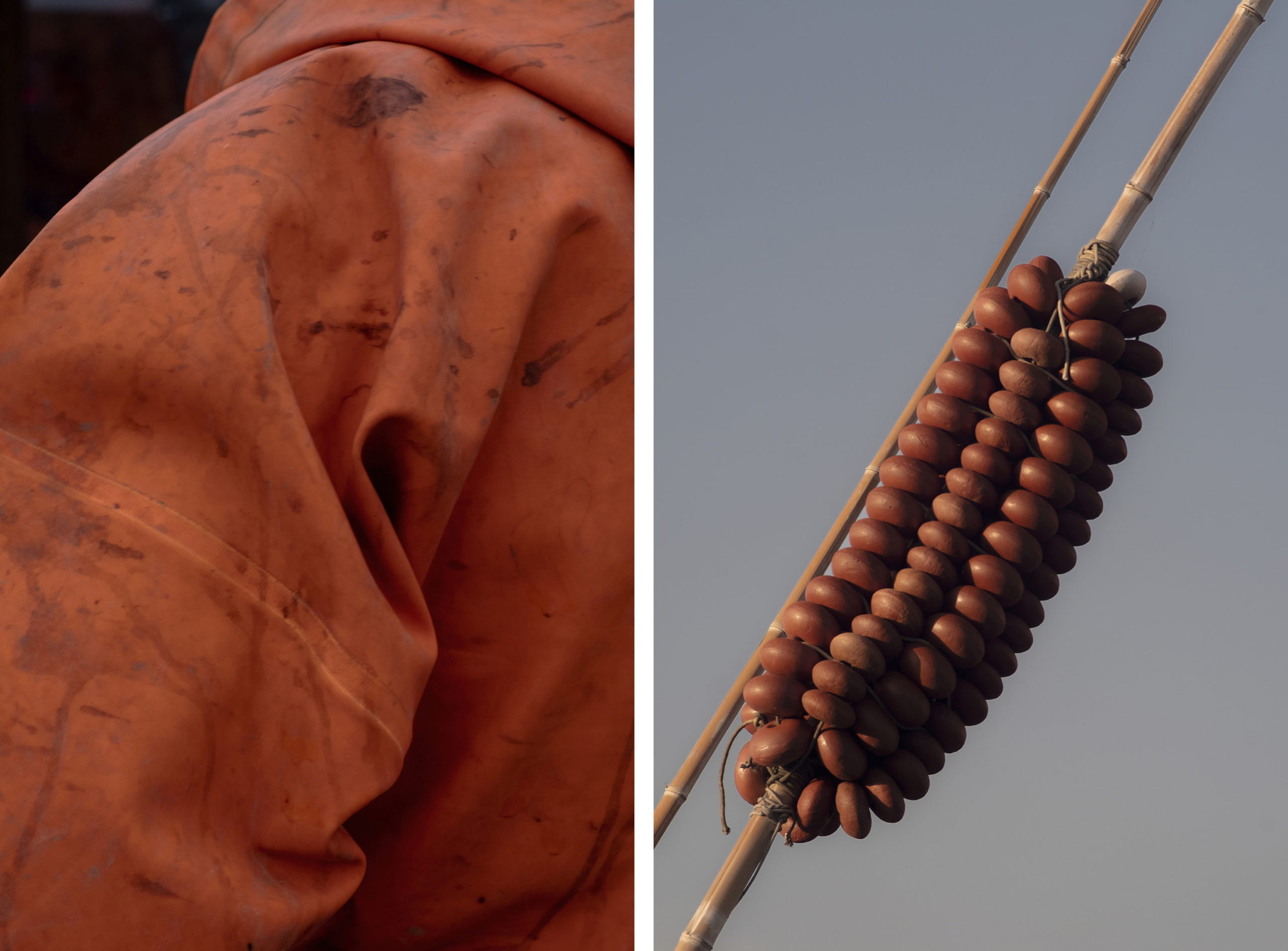
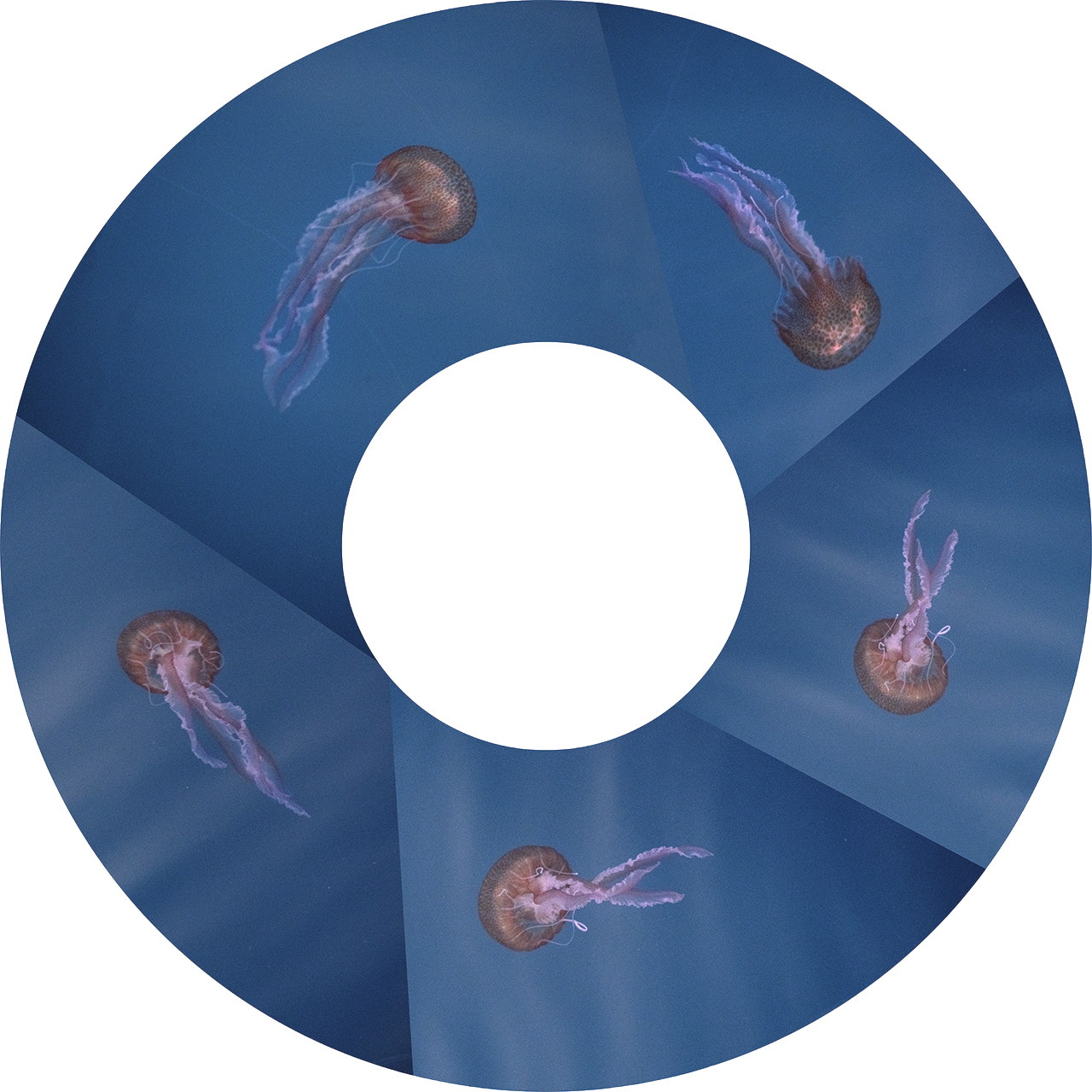
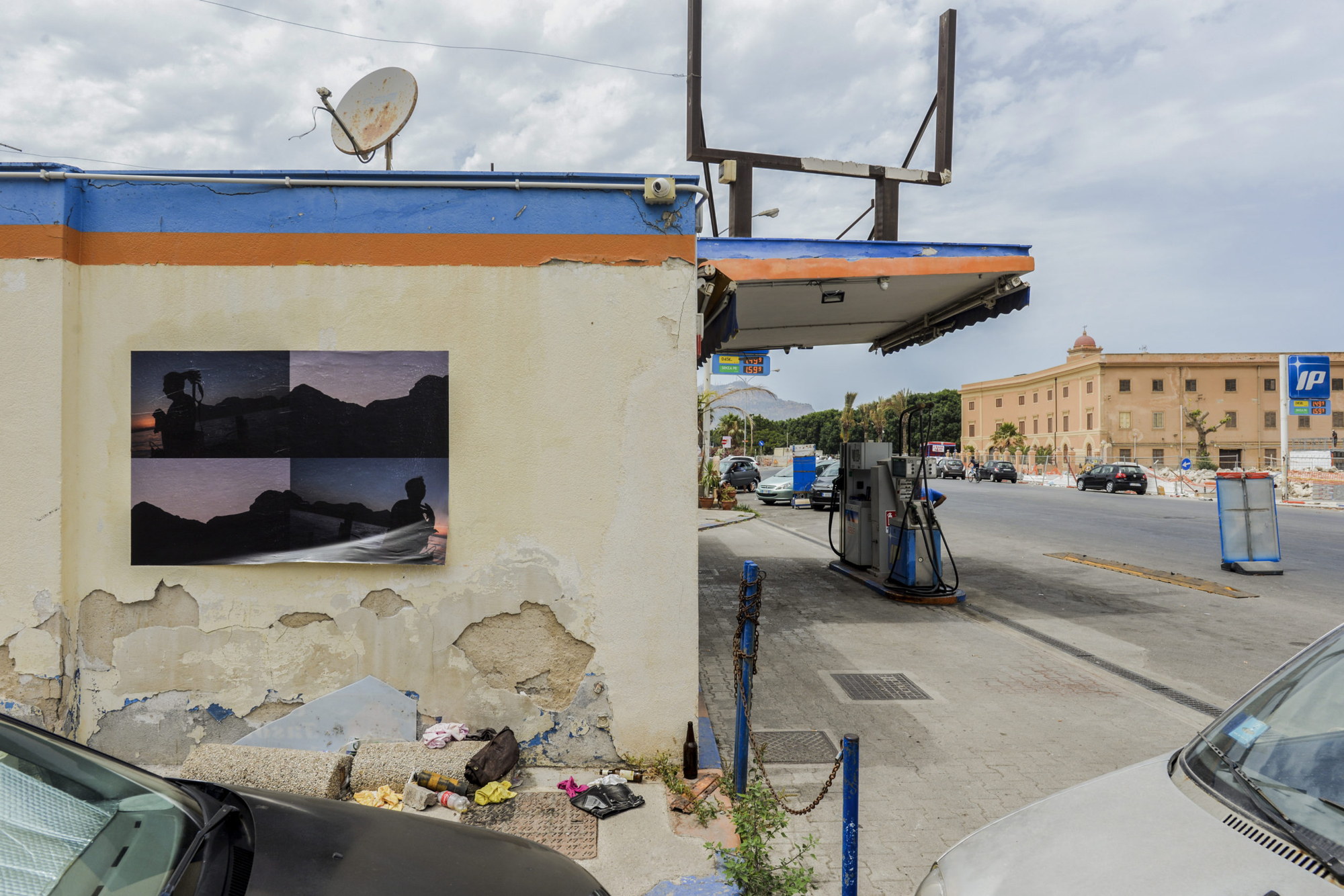
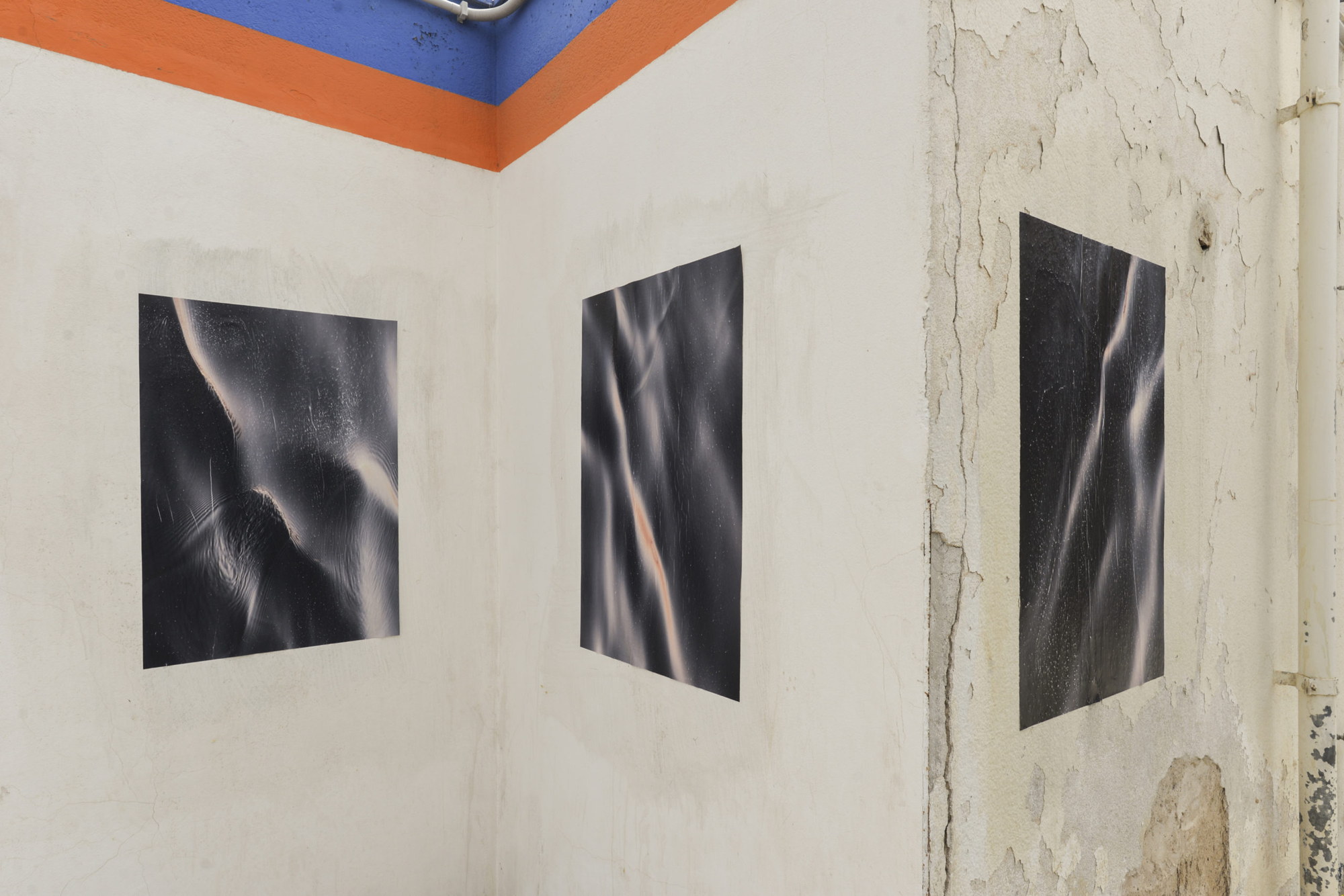
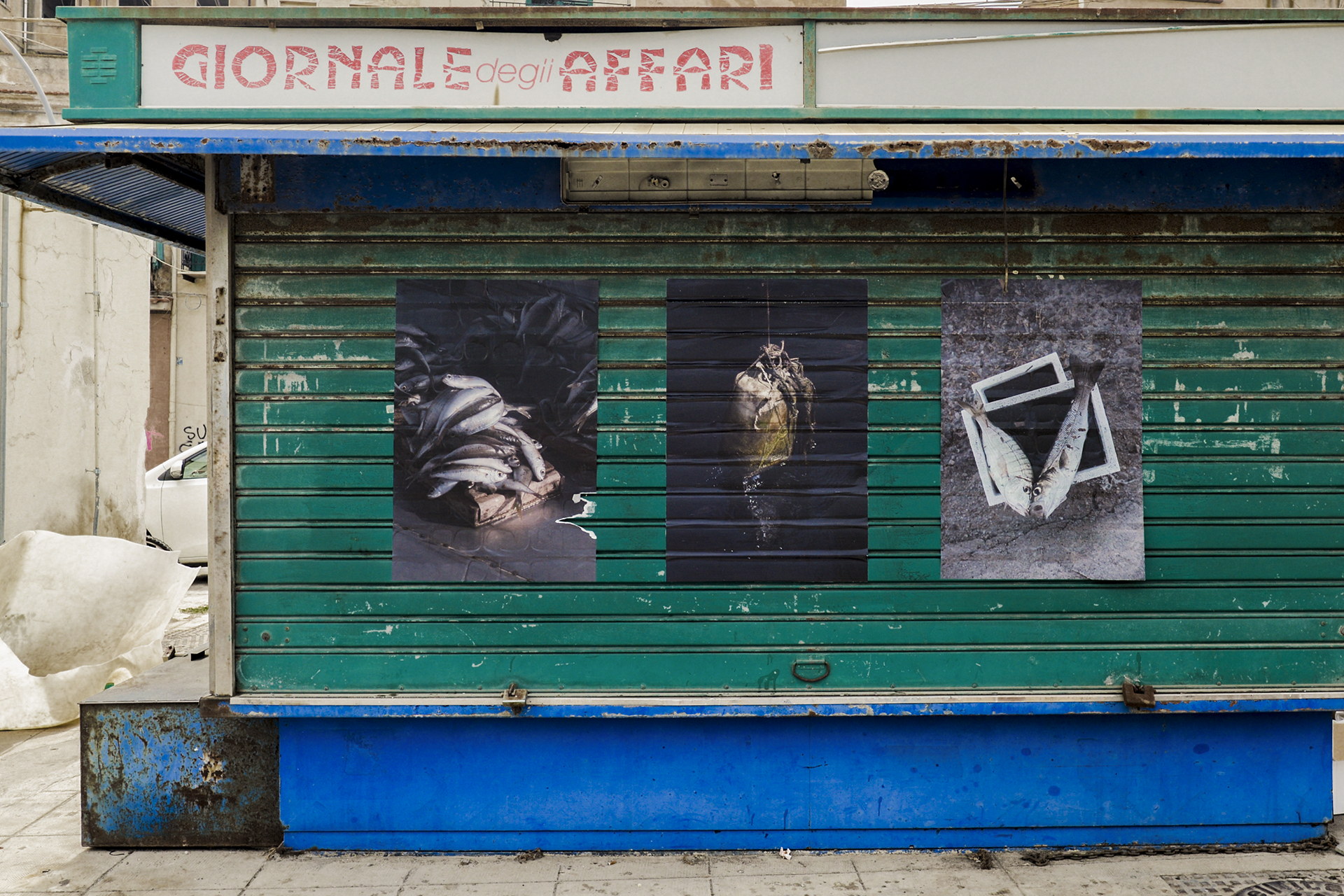
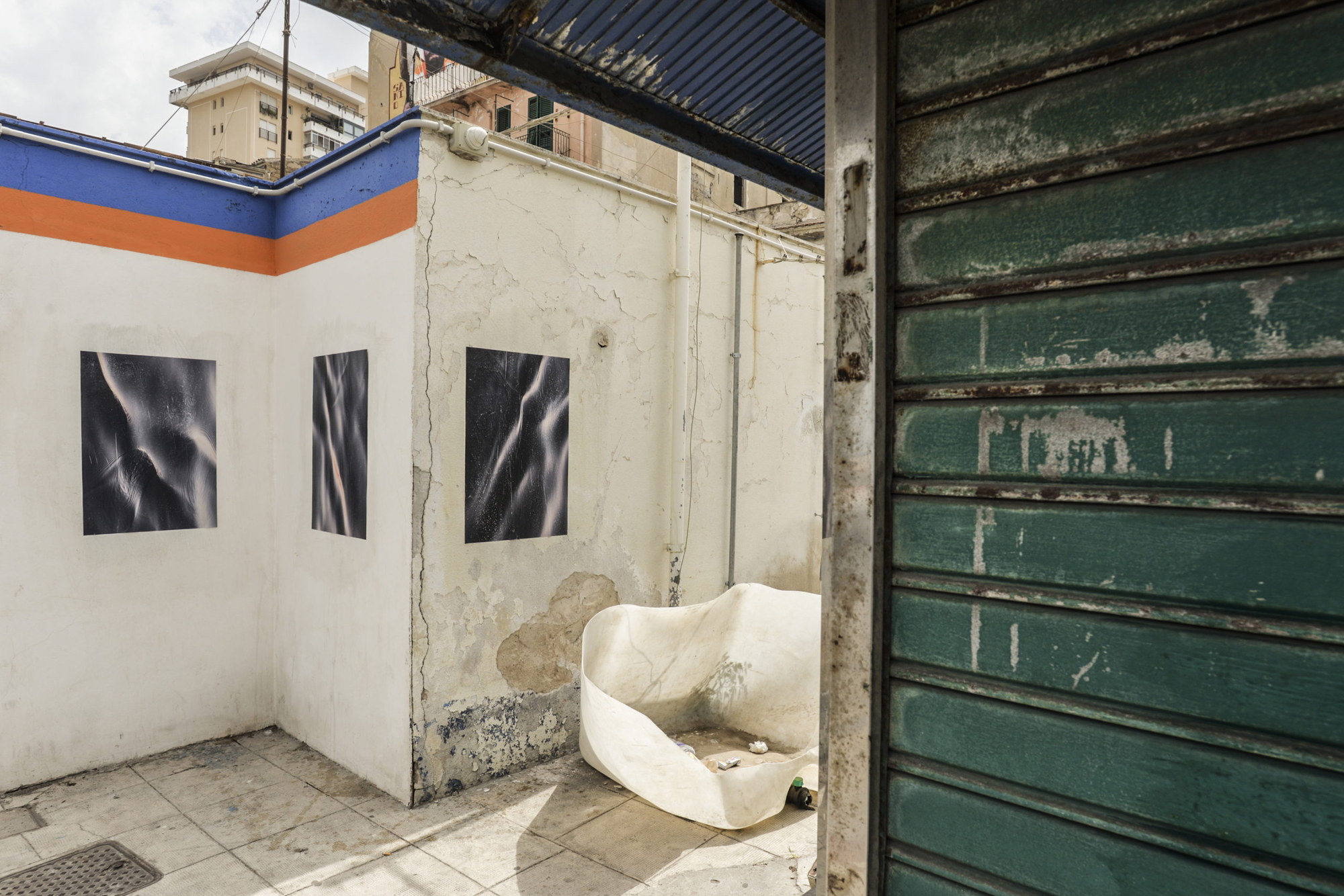
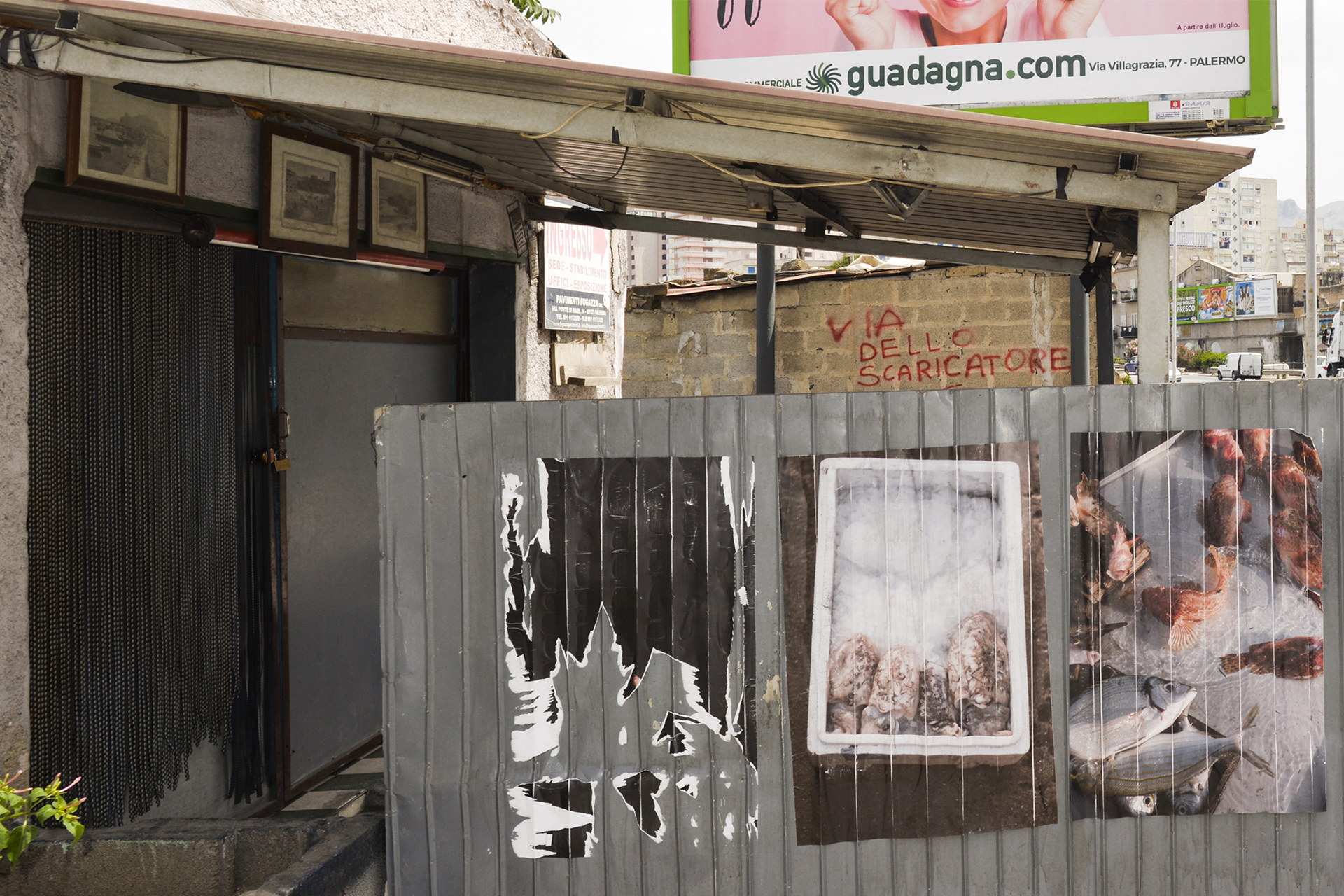
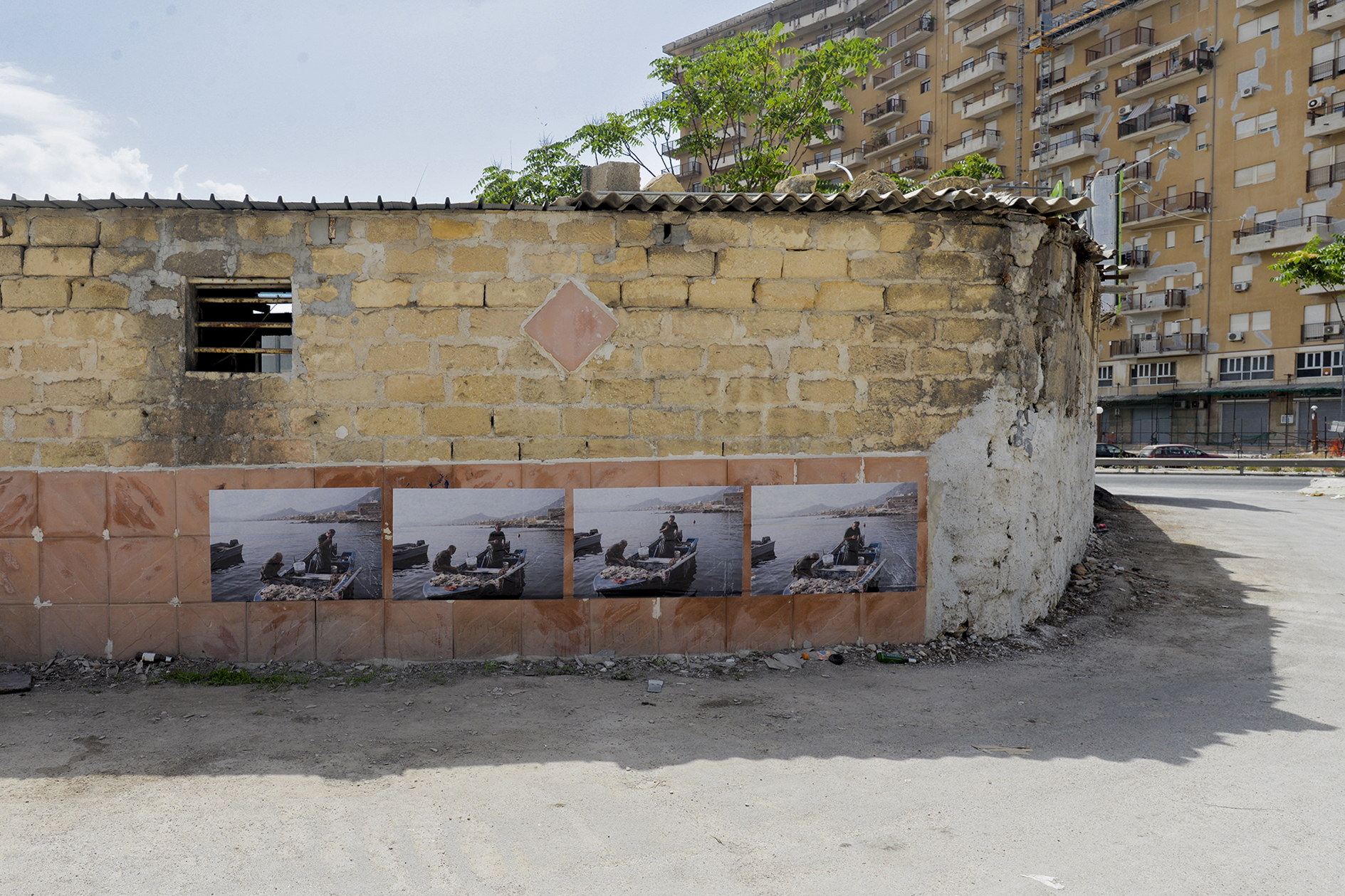
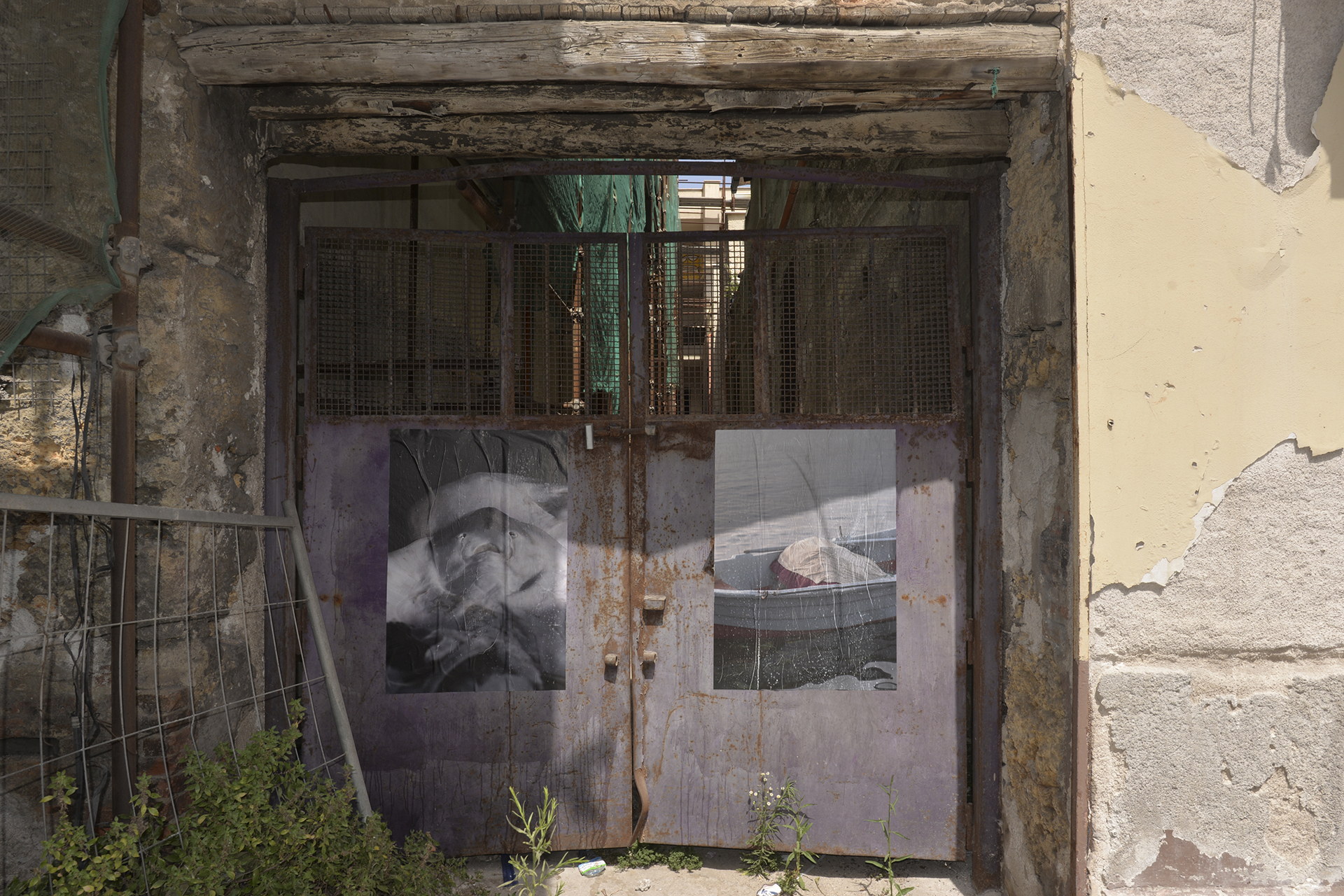
“Ulysses” (2019) by Umberto Santoro consists of a series of photographs and urban billboards in the Sant’Erasmo district of Palermo. The project tells stories of the sea and fishermen: characters from a collective imagination who, over the centuries, have given shape and soul to the landscapes of the Mediterranean coasts.
Starting from a research that took place along an itinerary from Castellammare del Golfo to Sant’Erasmo, in particular in the ports of Terrasini, Isola delle Femmine, Sant’Erasmo and Castellamare, the artist builds a narrative that, from the sea, moves into a neighborhood. It is here that the artist’s exploration leaves room for the observer’s journey. This undertakes an unrepeatable experience, which pushes him to follow a path traced by natural landscapes made of islands, sea creatures, tools and materials for fishing, jackets, containers and ropes forgotten on boats, where plastic mixes with algae, jute and old rusty locators. Conceived as part of one and the same set, the inhabitants of the marine world move around the mainland and parade through a gallery of images, as in the chapters of a story. It does not matter if the characters in this story are real or mythological creatures. As we walk along the path, the space around us suggests its continuation. A small wall, an old gate, a deserted courtyard are the pauses in the white space on a page, the head of a paragraph. They become the natural setting for the dance of a jellyfish, during a journey along a landscape that Santoro invites us to explore.
Text by Valentina Sansone Art Curator.
(Project Exhibition on 8th of July 2019, Borgata di S. Erasmo, Palermo)
Umberto Santoro (Palermo, 1995) is a visual artist and photographer working between Palermo, Venice and Milan. His practice moves between documentary photography, archive and a critical reflection on the image as historically sedimented matter, working on the tensions between perception, memory and power. He understands the image as an active space of inquiry — a site of friction between what appears and what remains invisible, removed or sedimented — and investigates in particular the apparatuses of state and economic power and the forms of popular resistance that run through them, with a focus on Southern Italy and its historical and contemporary landscapes.
Fine art prints available — send a request for more information and commissions.