
CERE PERSE / LOST WAXES
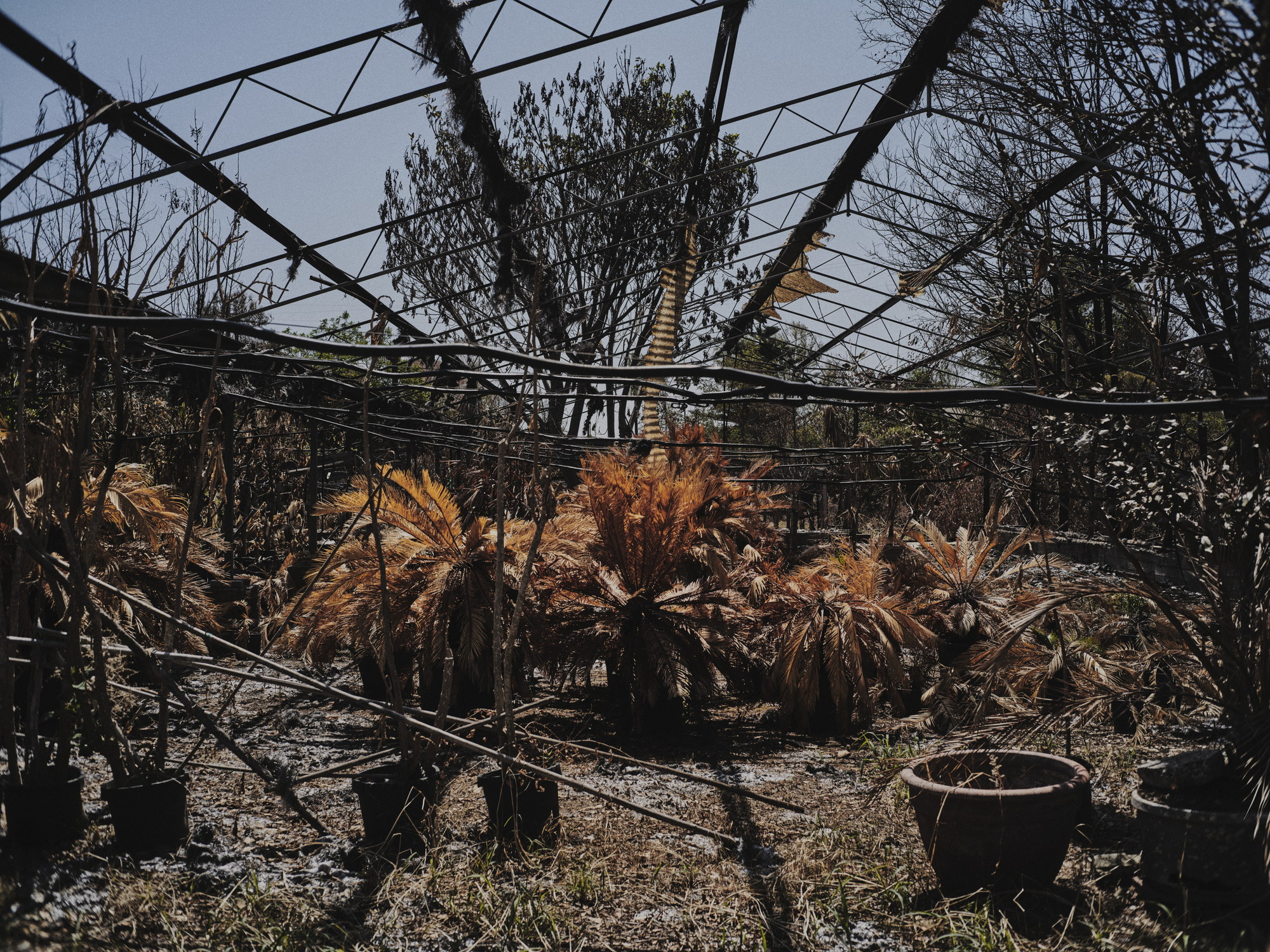
Notes for an archive of desertification
-Ongoing Project-
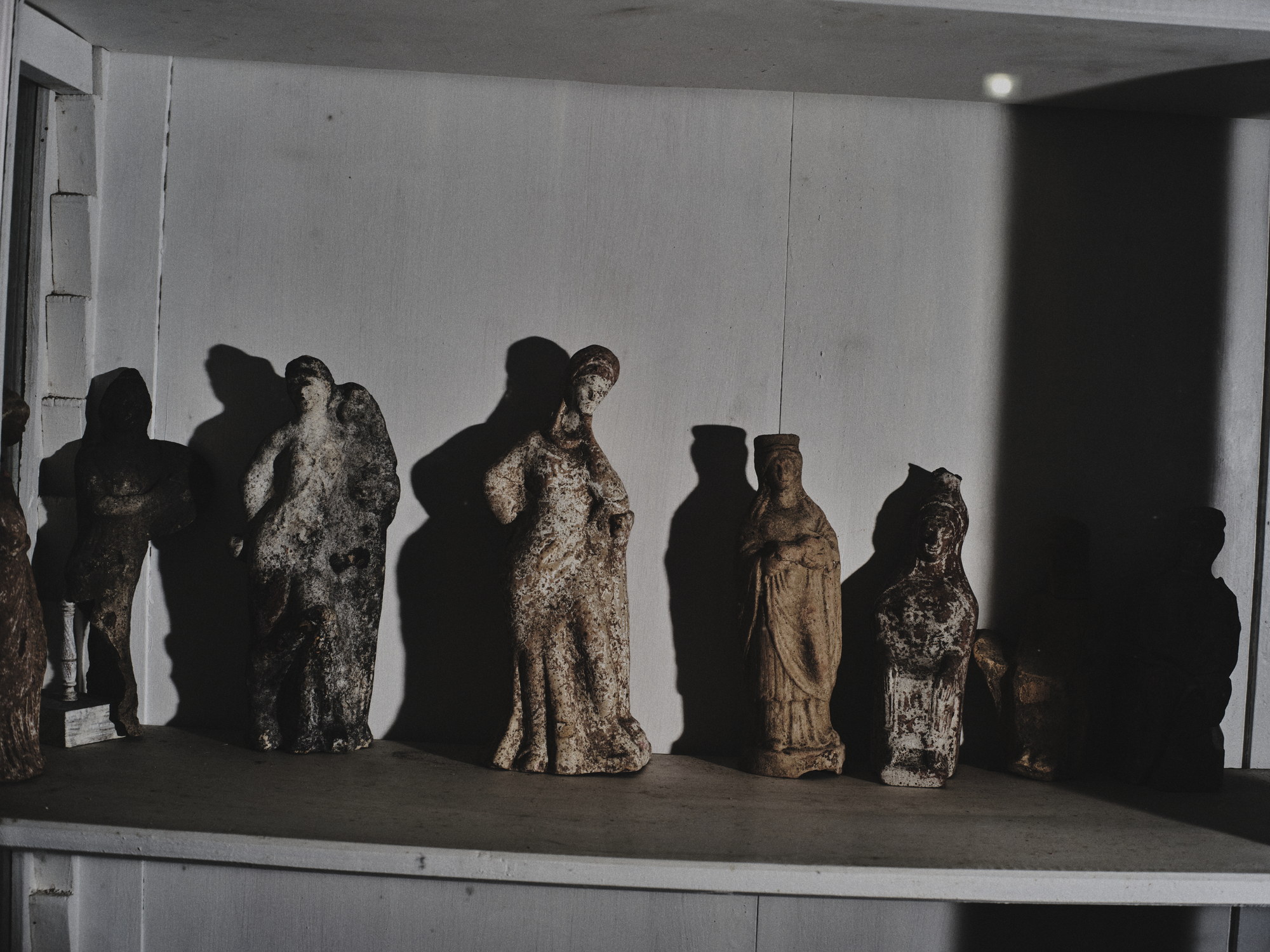
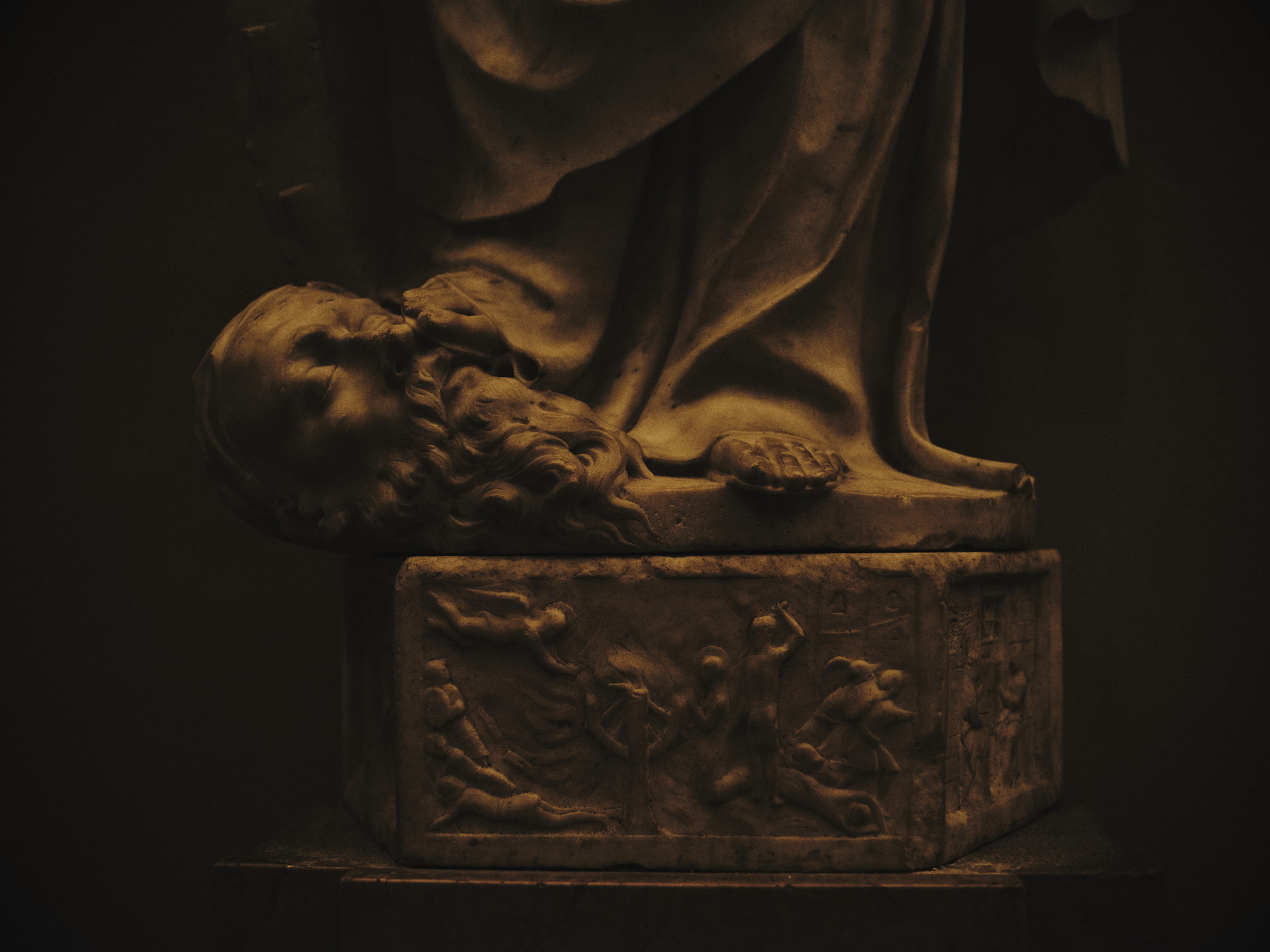
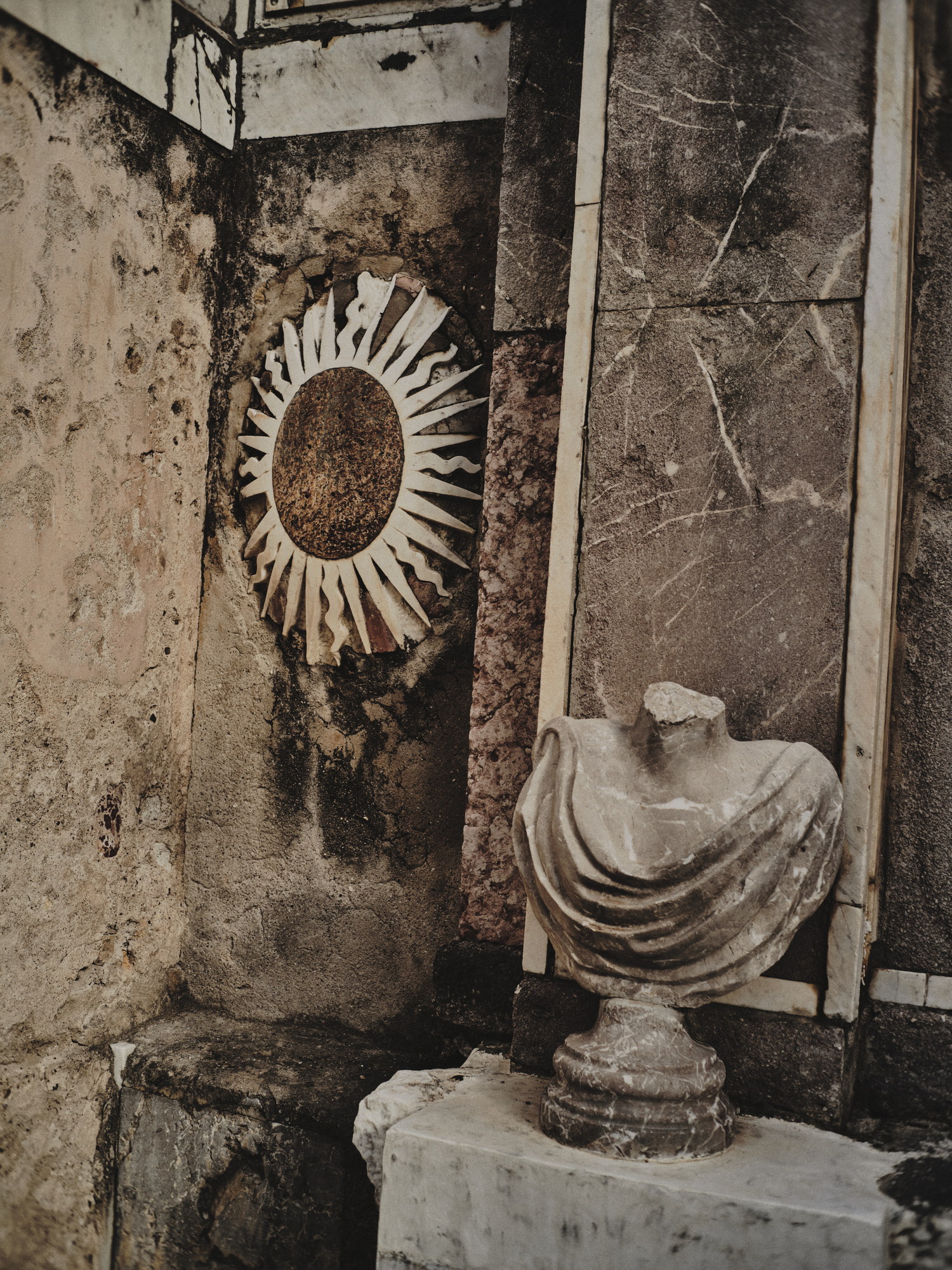
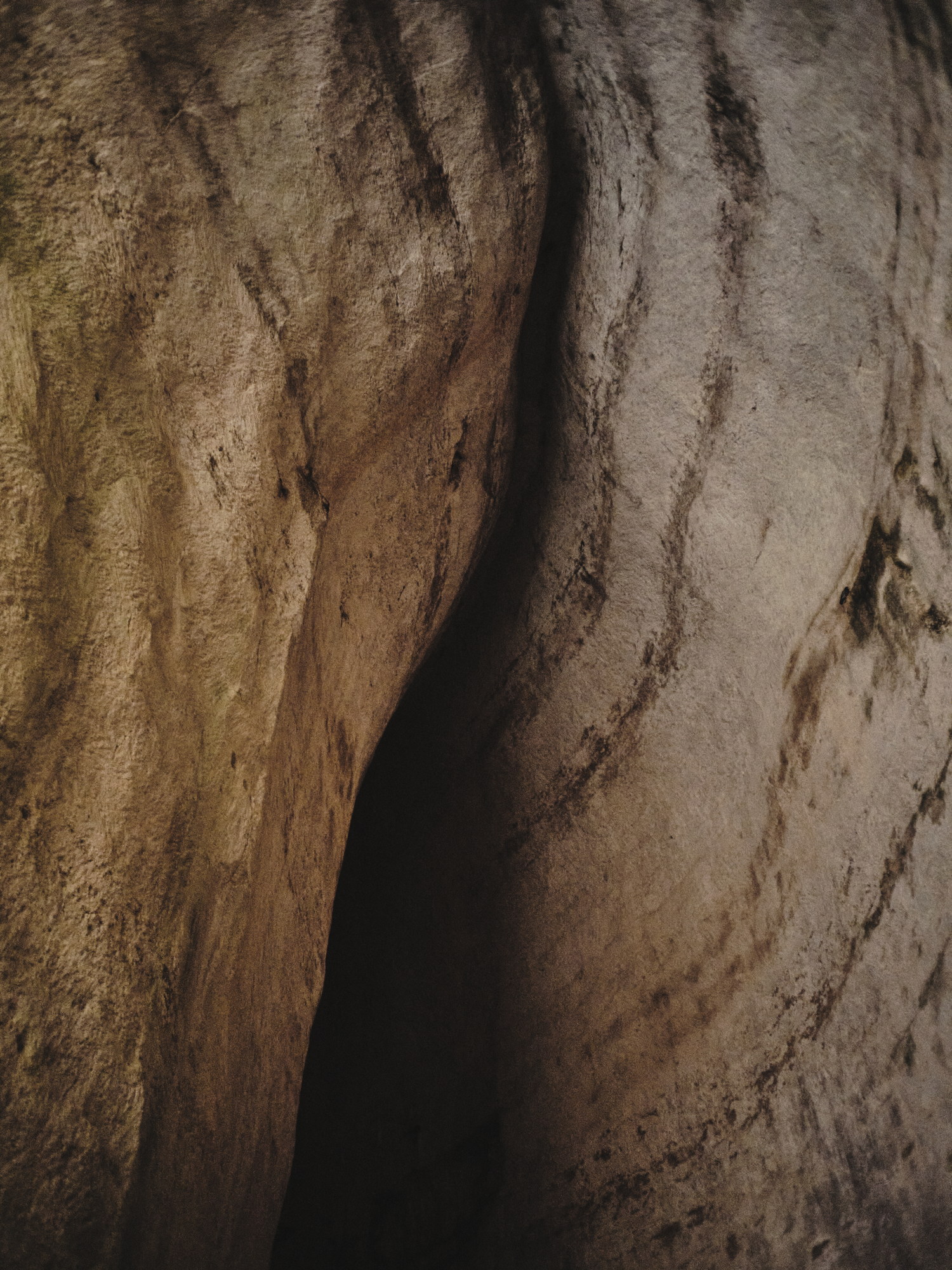
"'Lost' is the word for the wax that the sculptor models between two blocks of refractory earth and which, exposed to fire, melts leaving behind only a hollow imprint."
Sicilian writer Gesualdo Bufalino used this metaphor to justify his occasional writings — ephemeral pages, perhaps fit for the pulp. Then he would add that collecting them fed in him a credulous, frightened, innocent vanity of lasting.
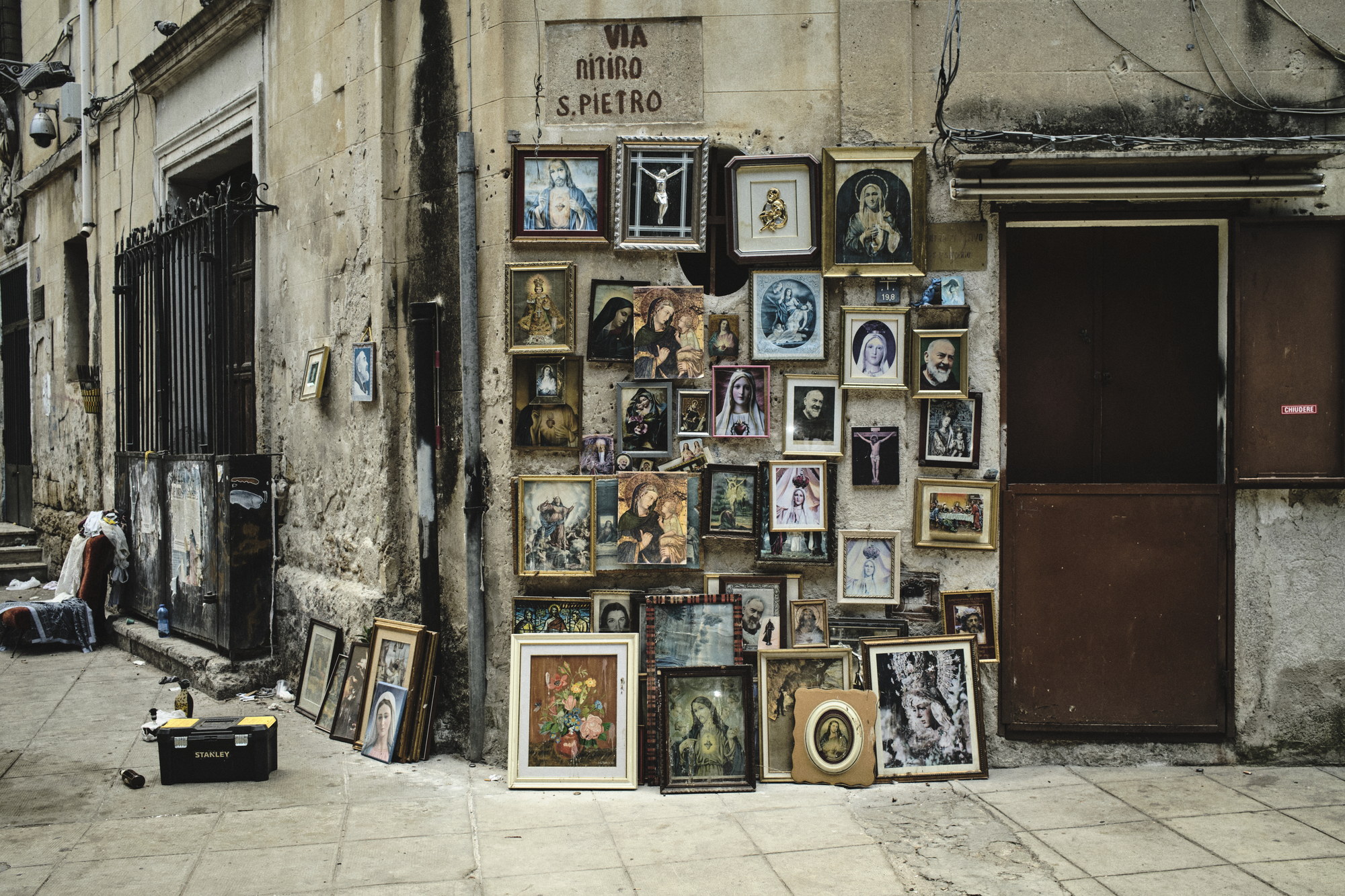
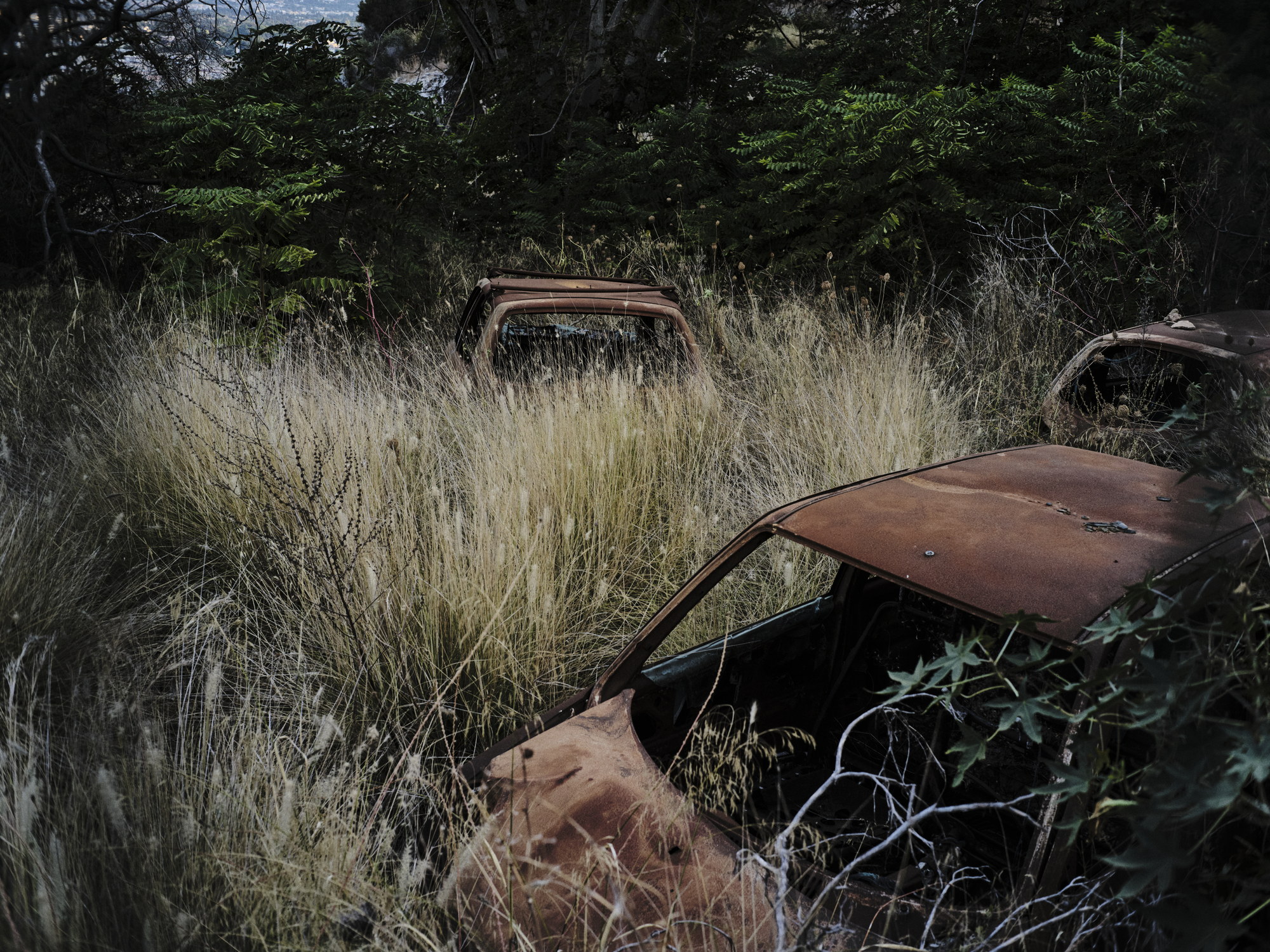
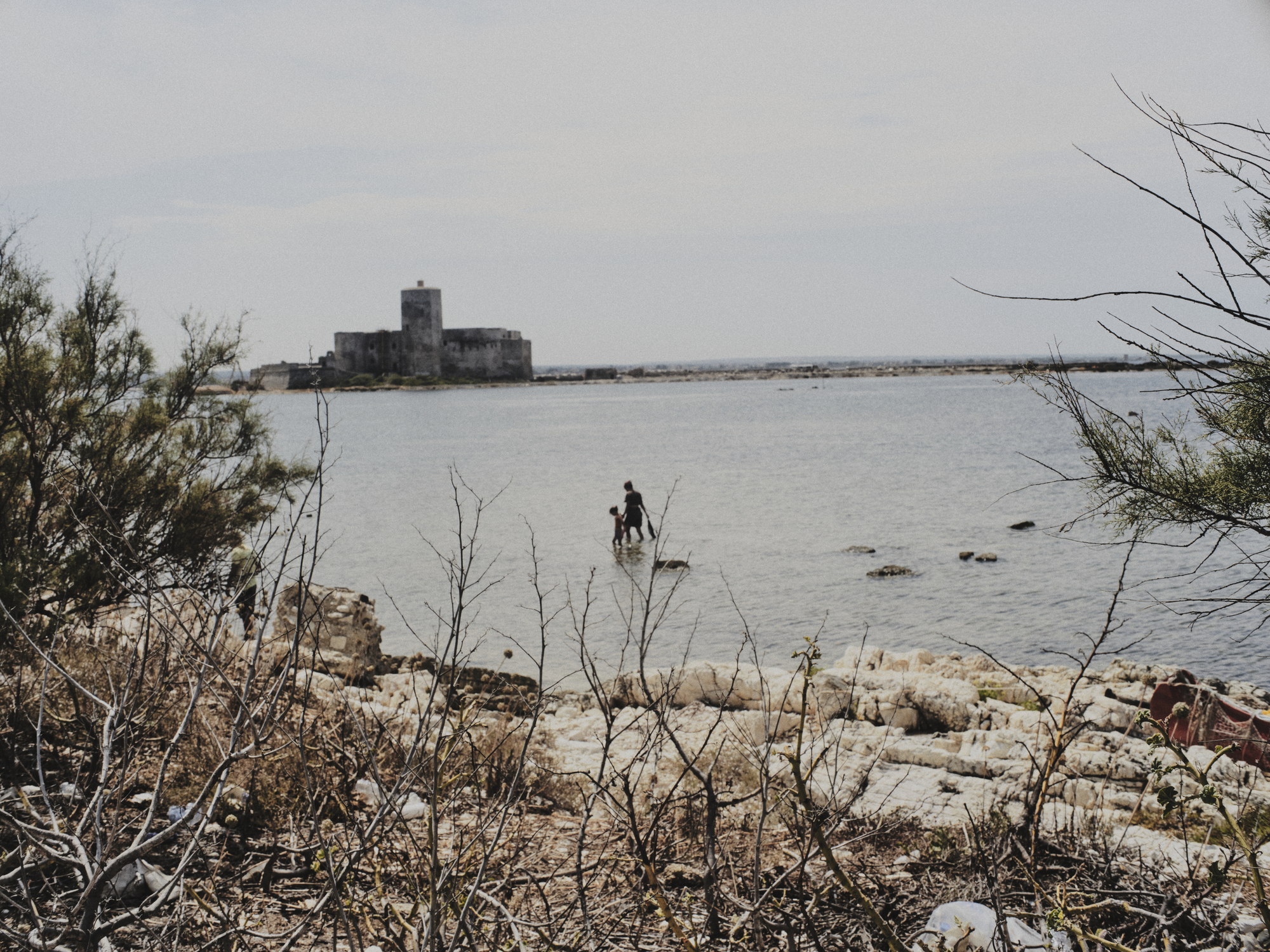
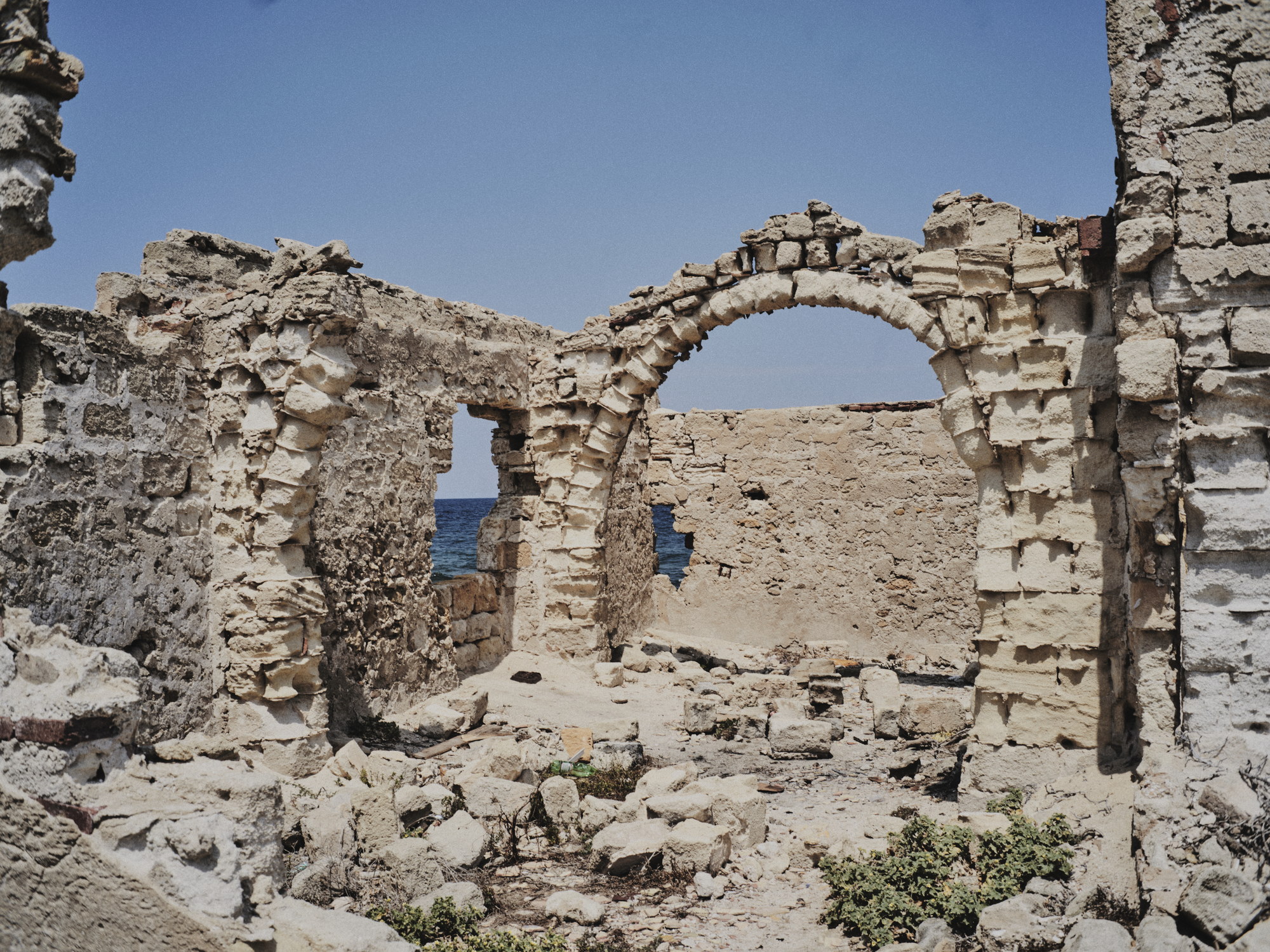
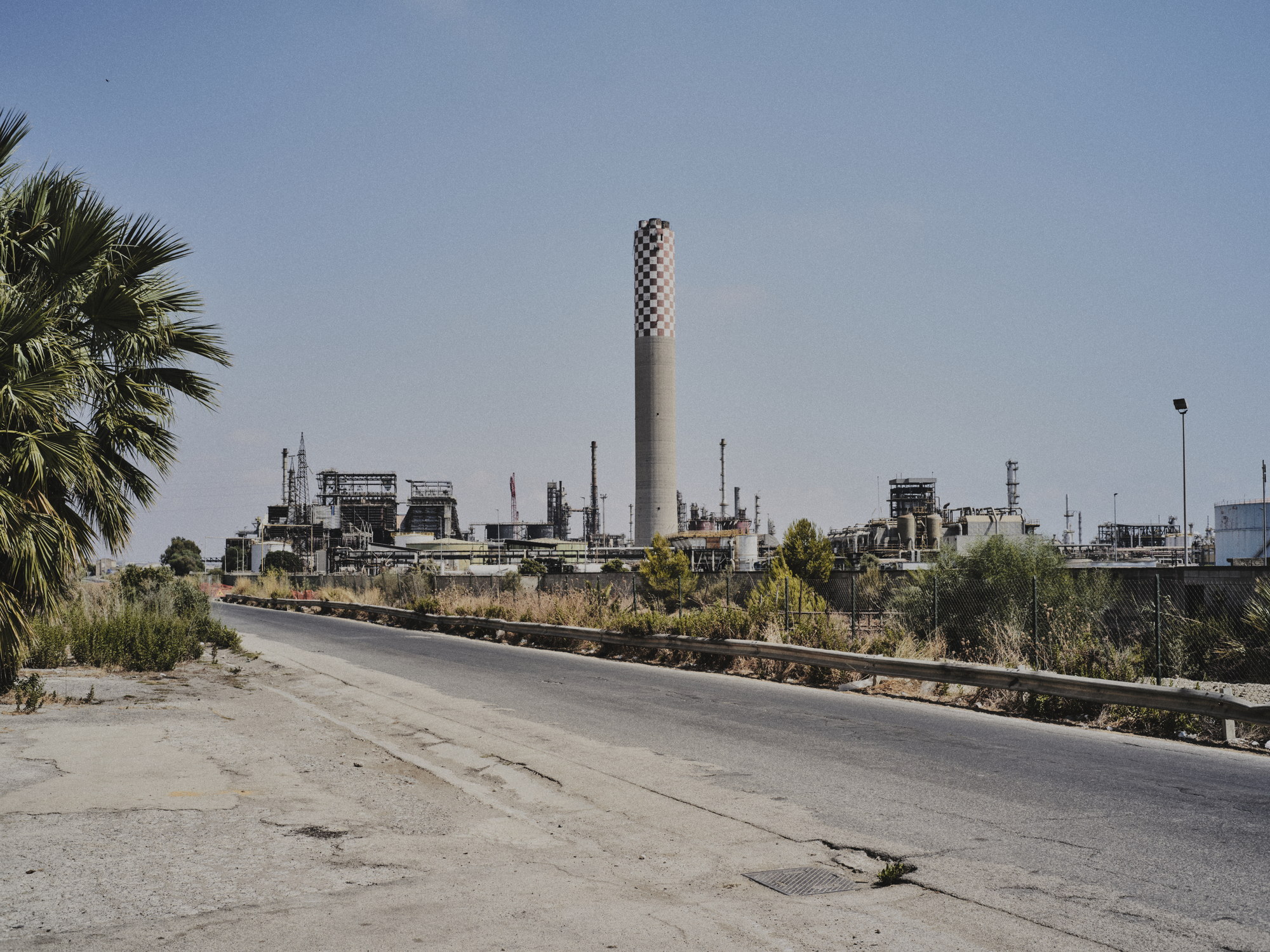
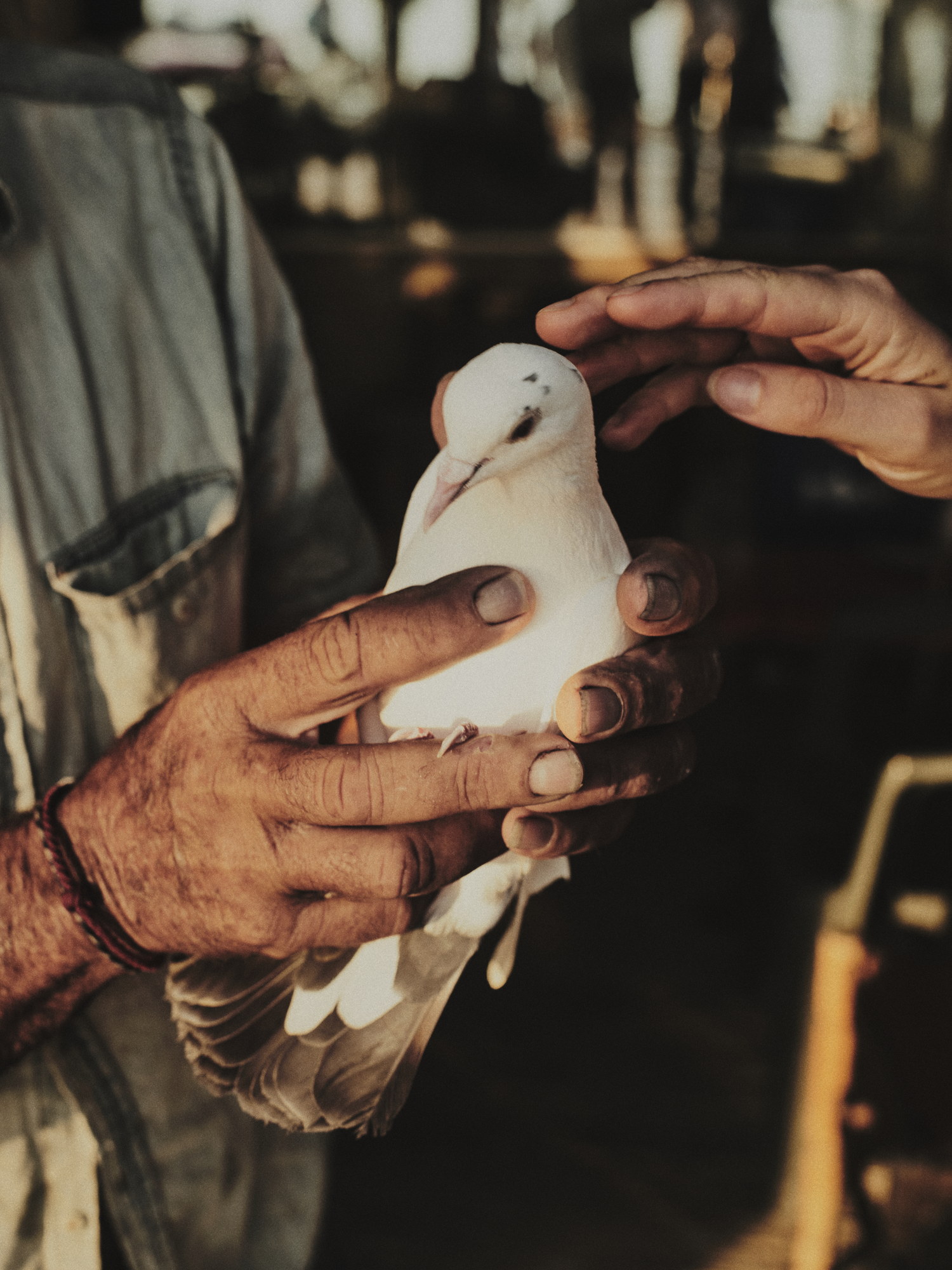
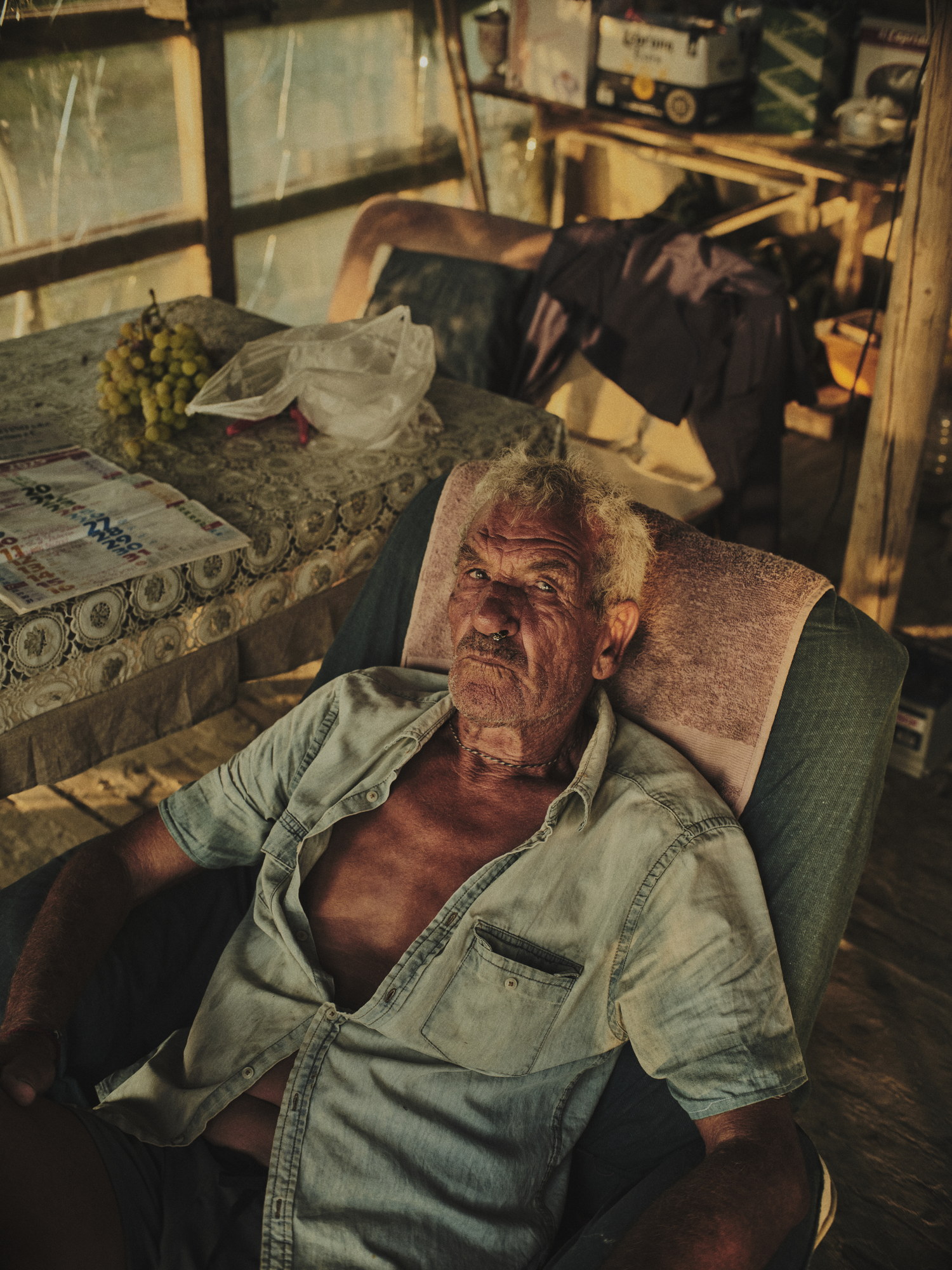
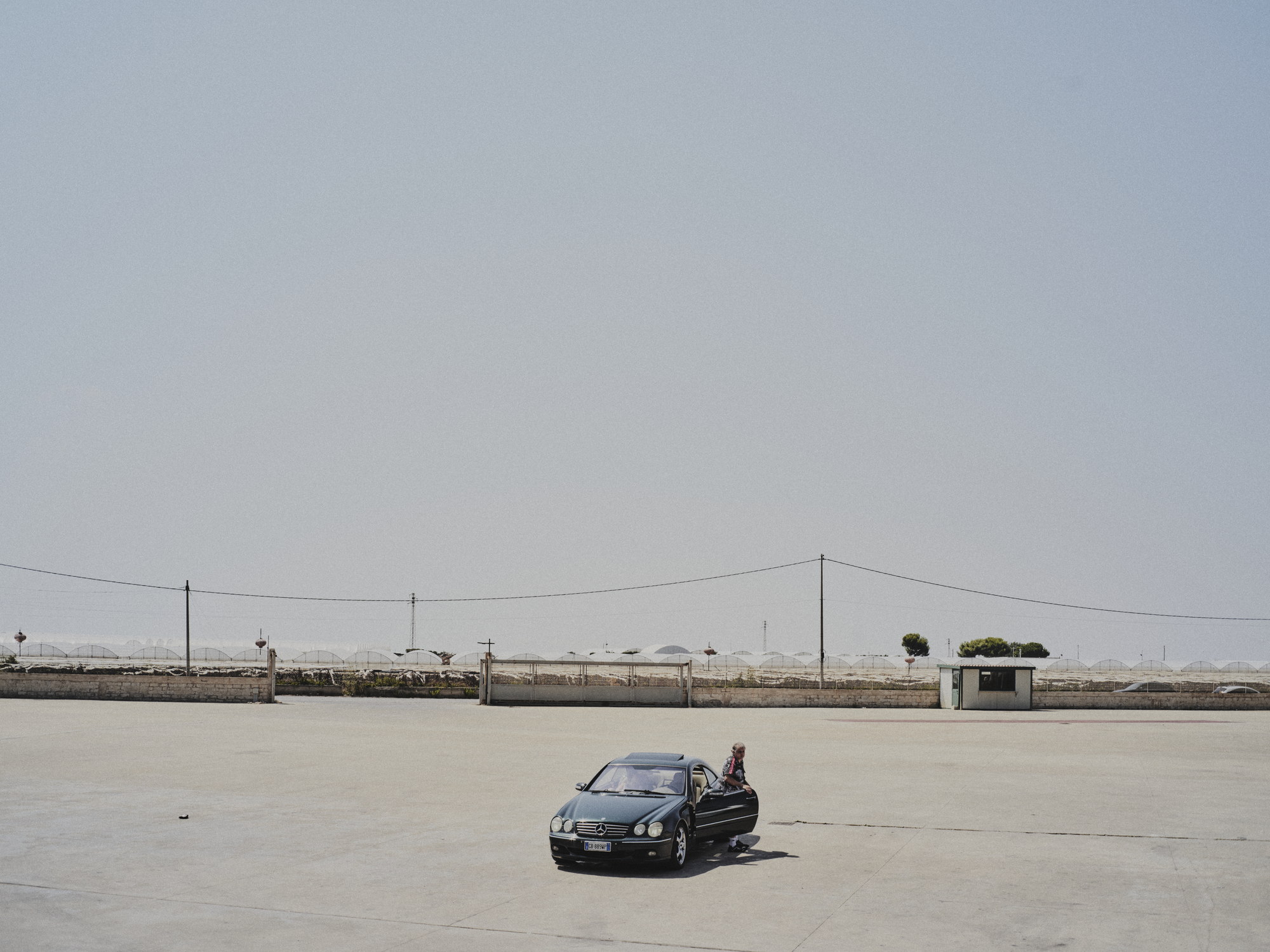
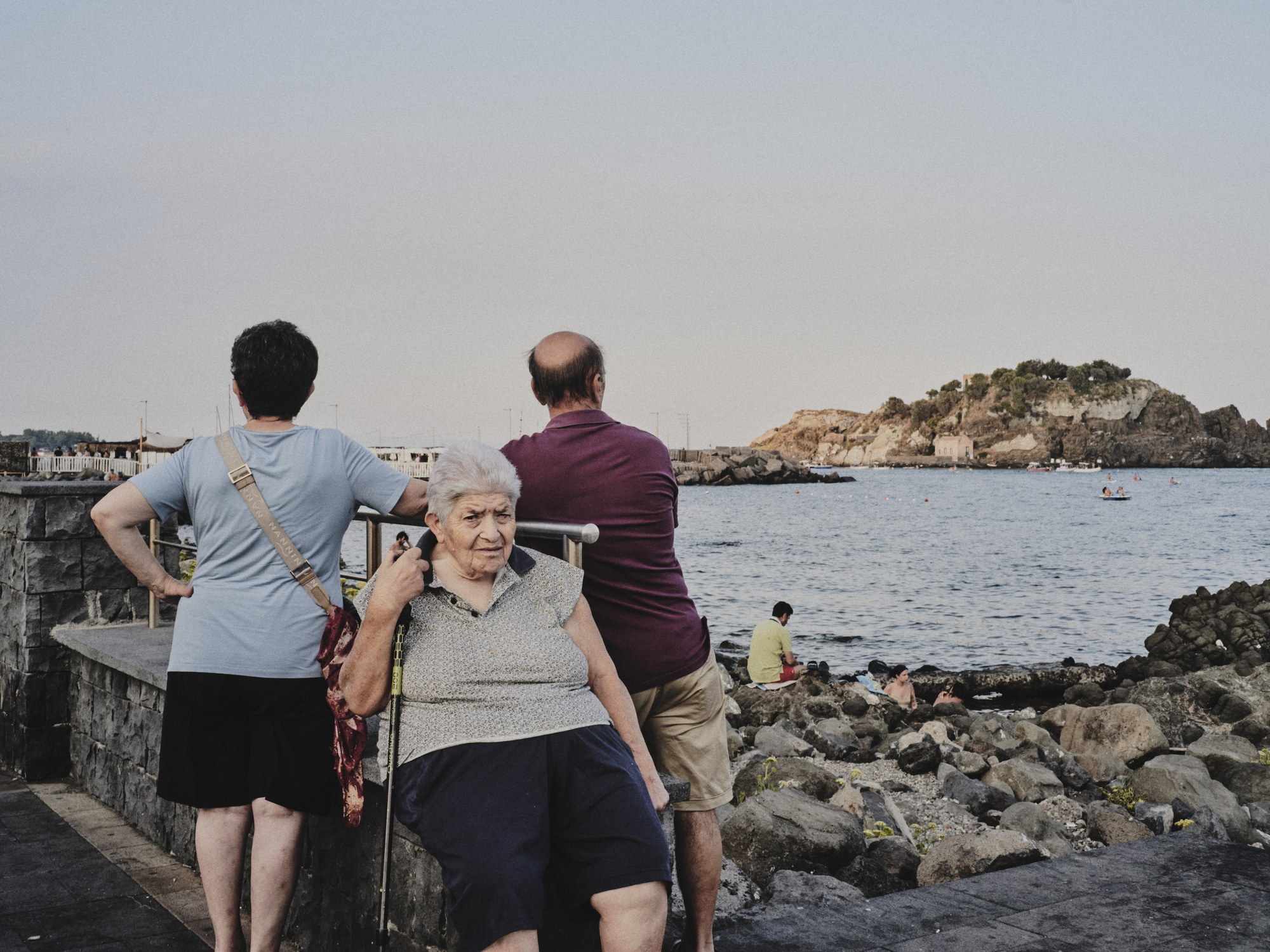
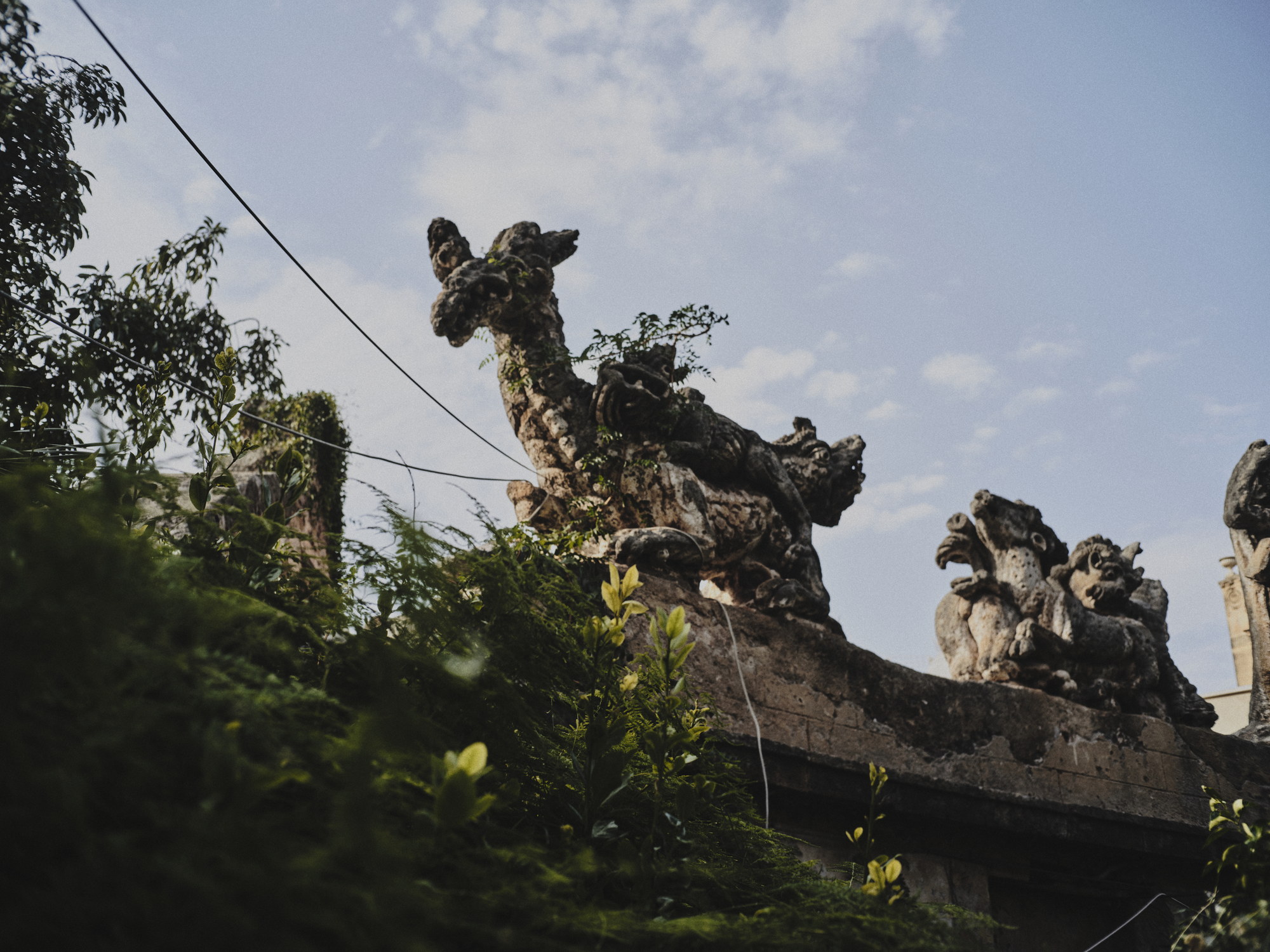
Sometimes I think of Sicily, its people and its souls, as lost waxes: essential, yet destined to disappear — the cores of a work where only the cast remains.
This is an archive that accumulates whenever nostalgia becomes more urgent than idleness.
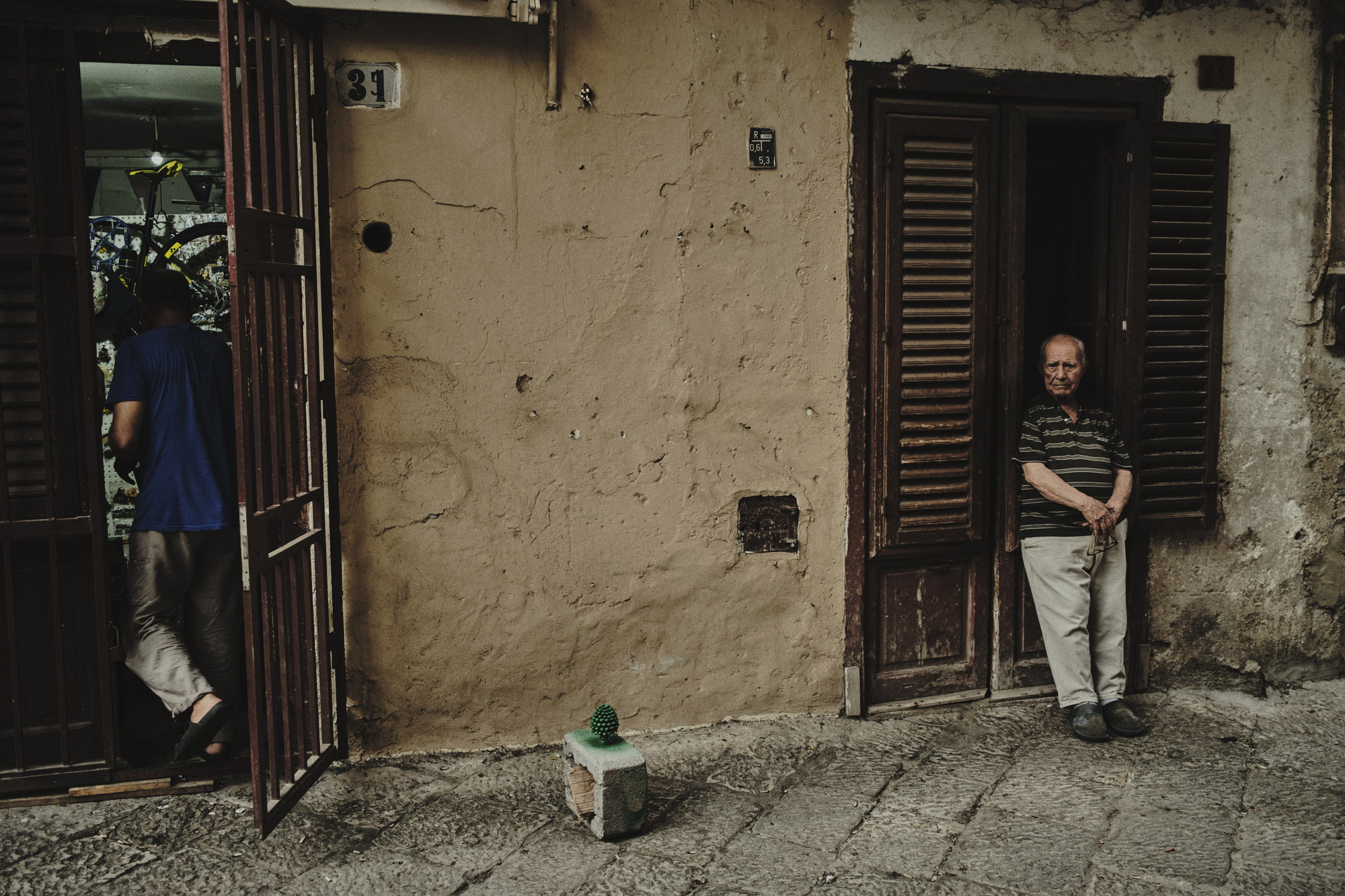
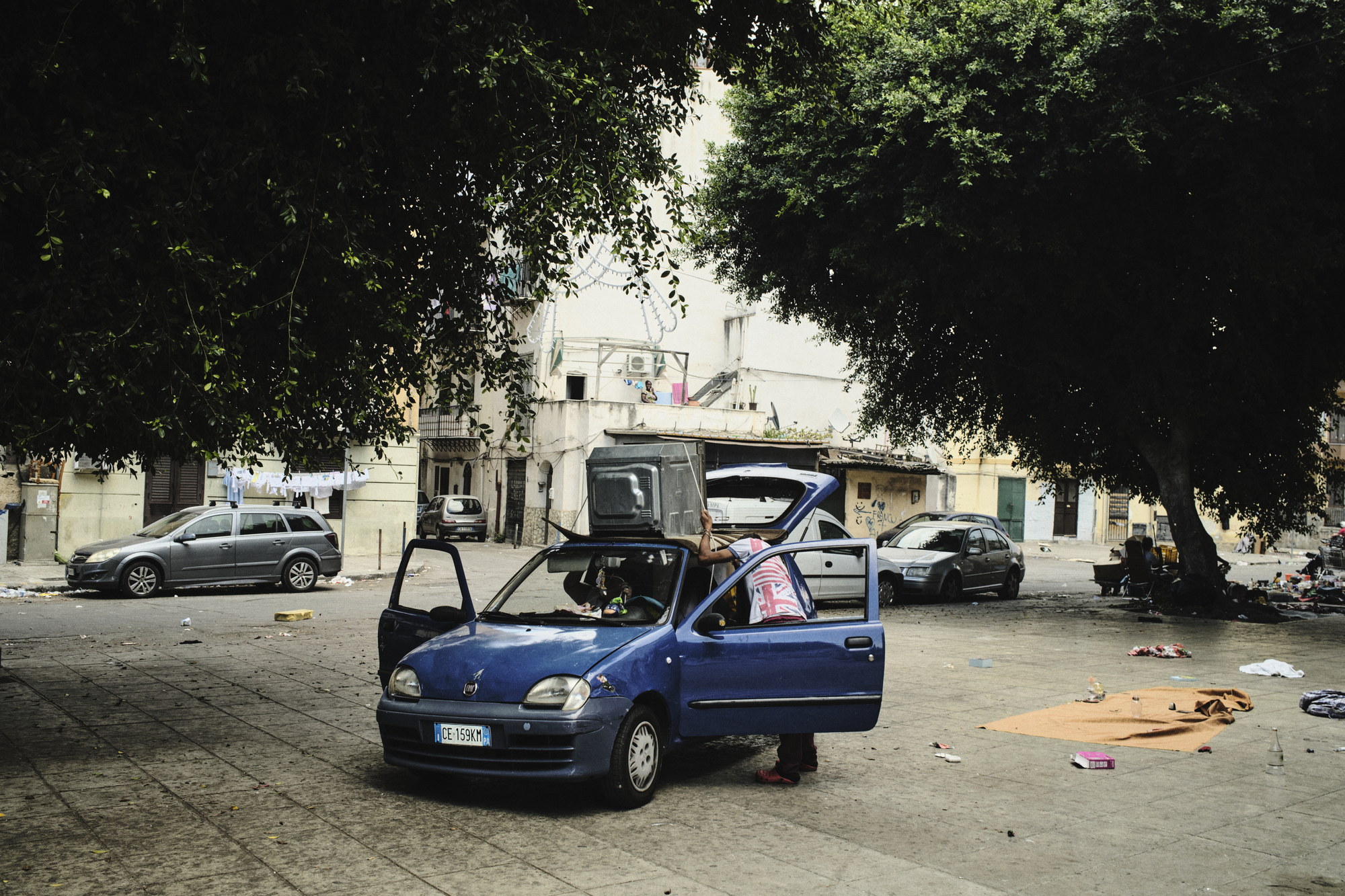
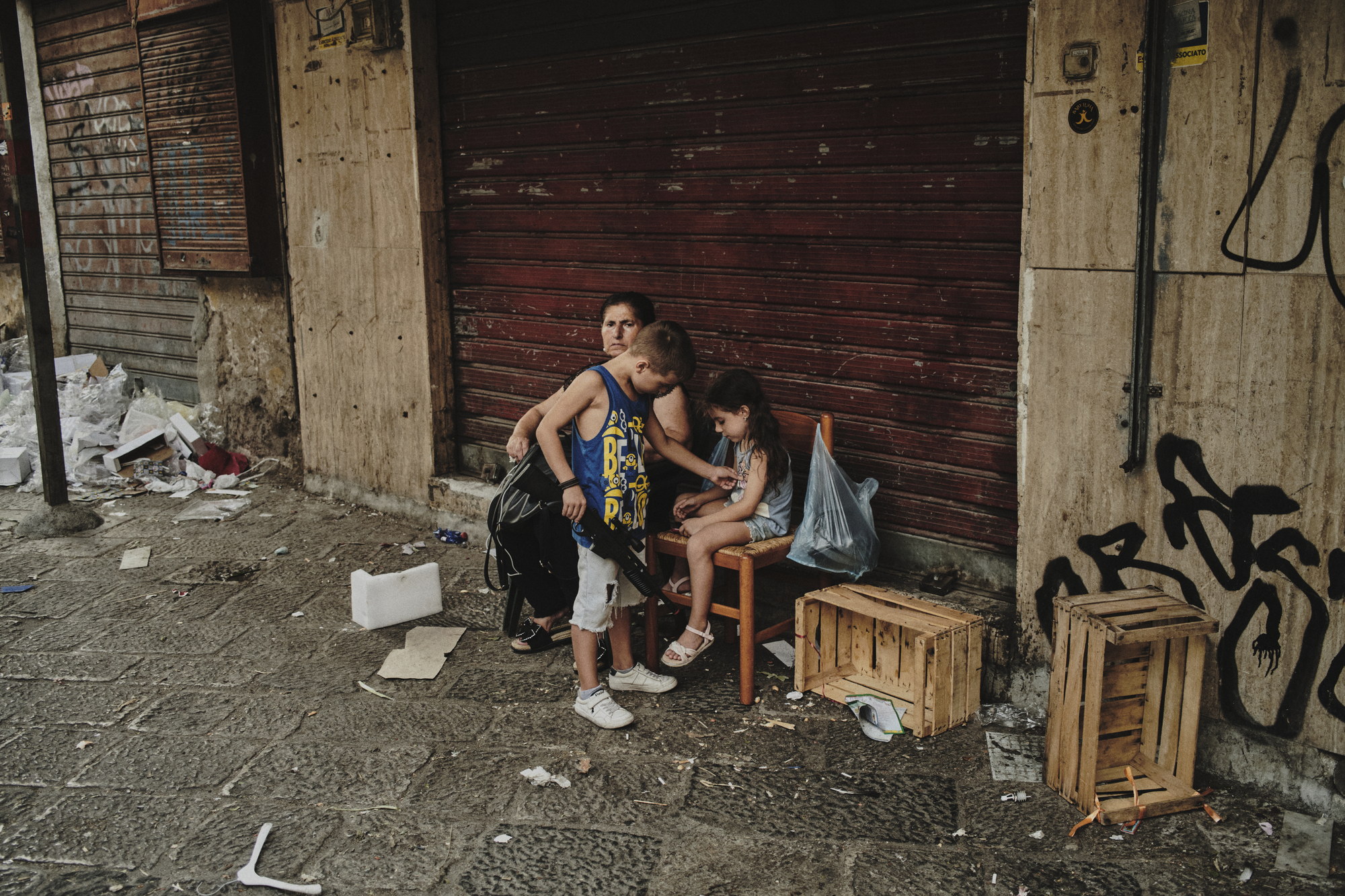
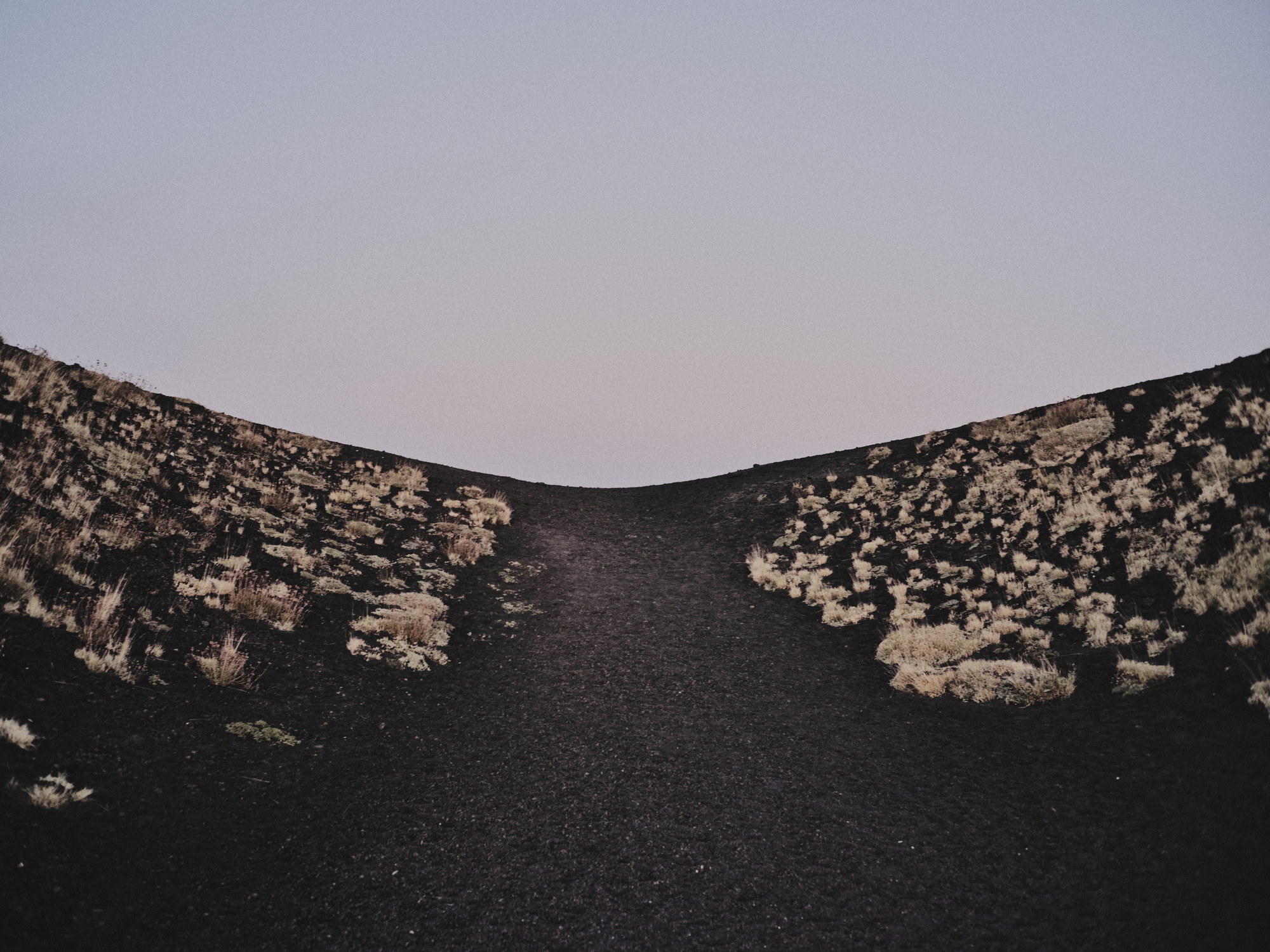
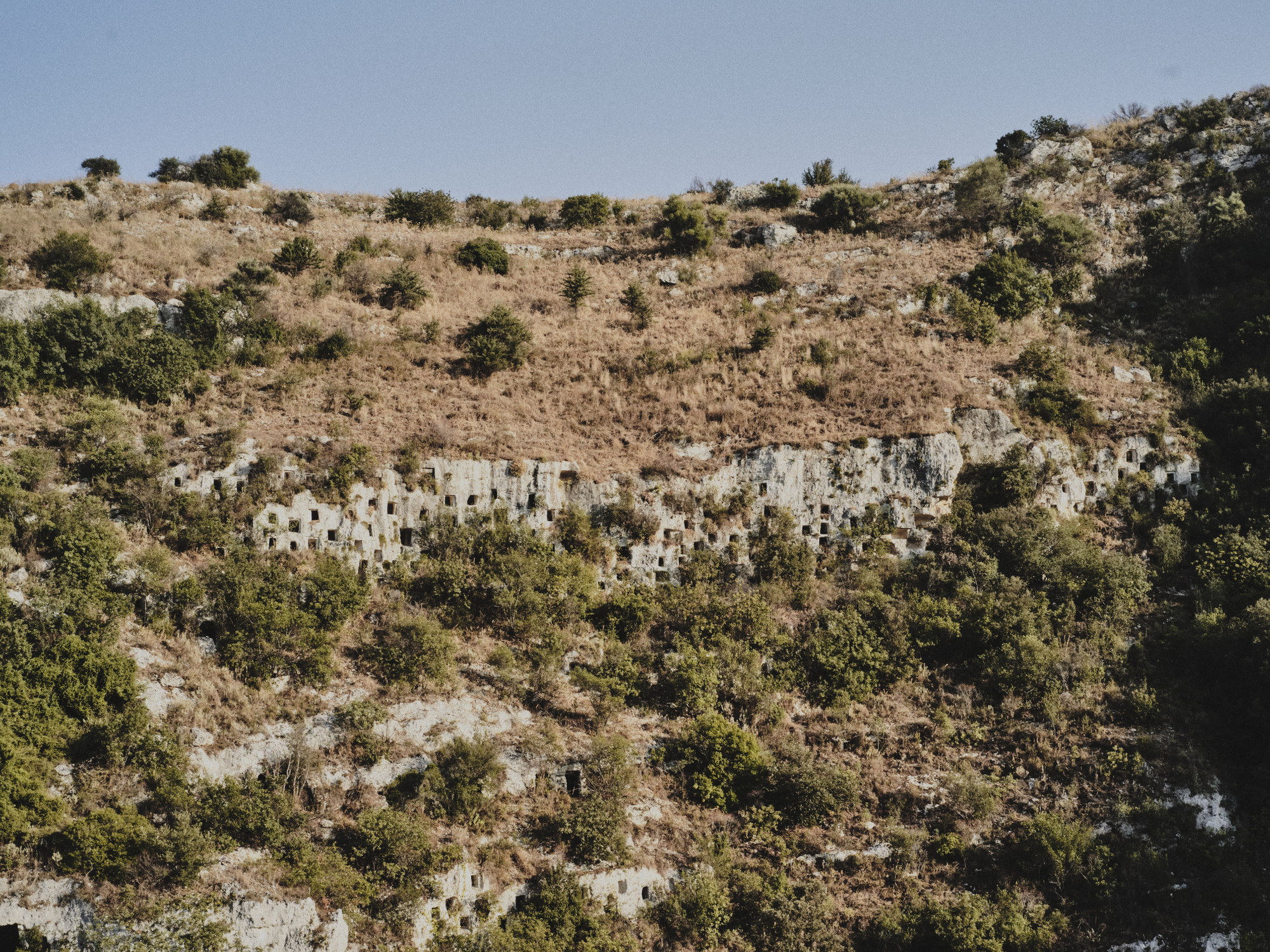
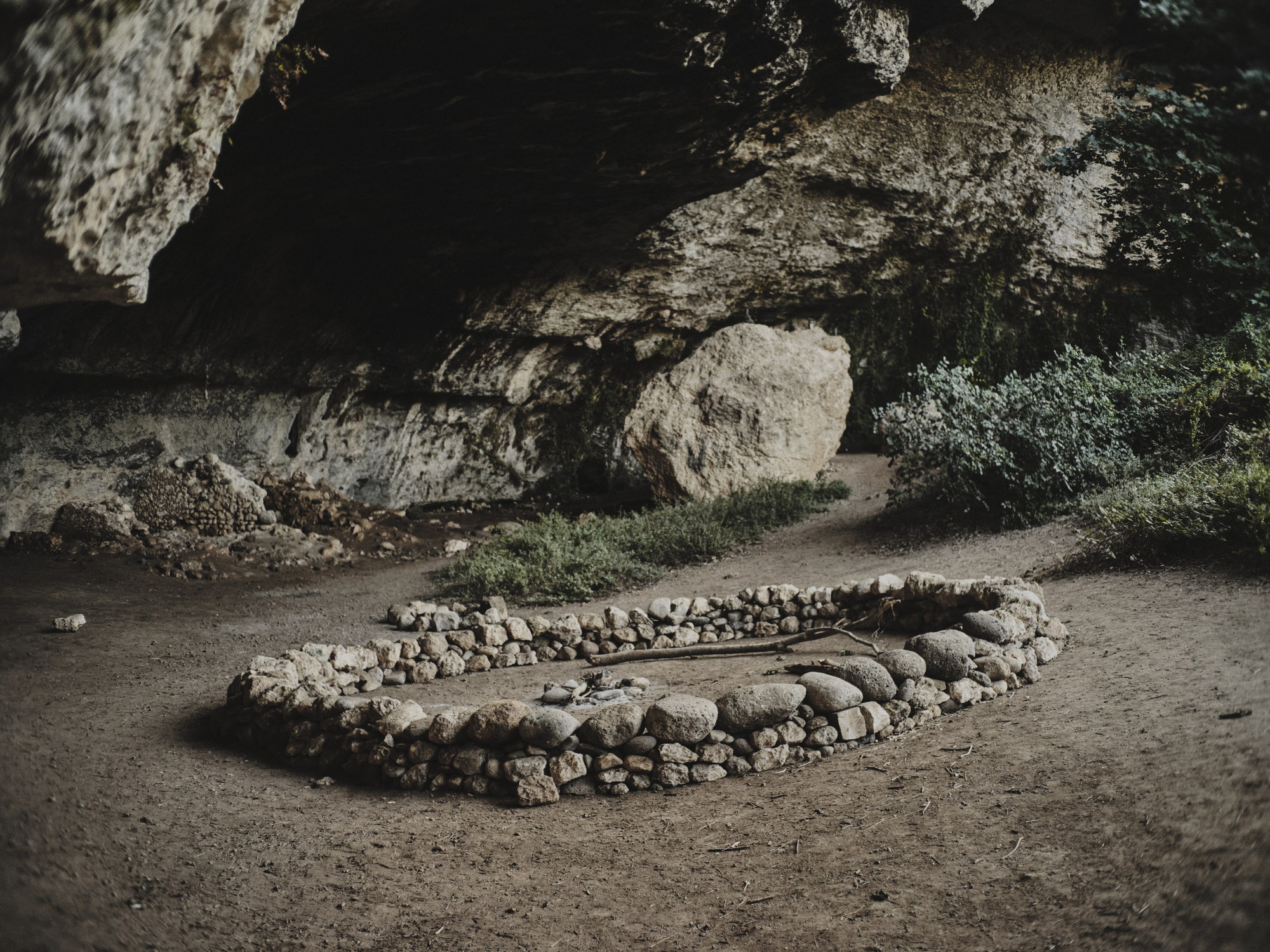
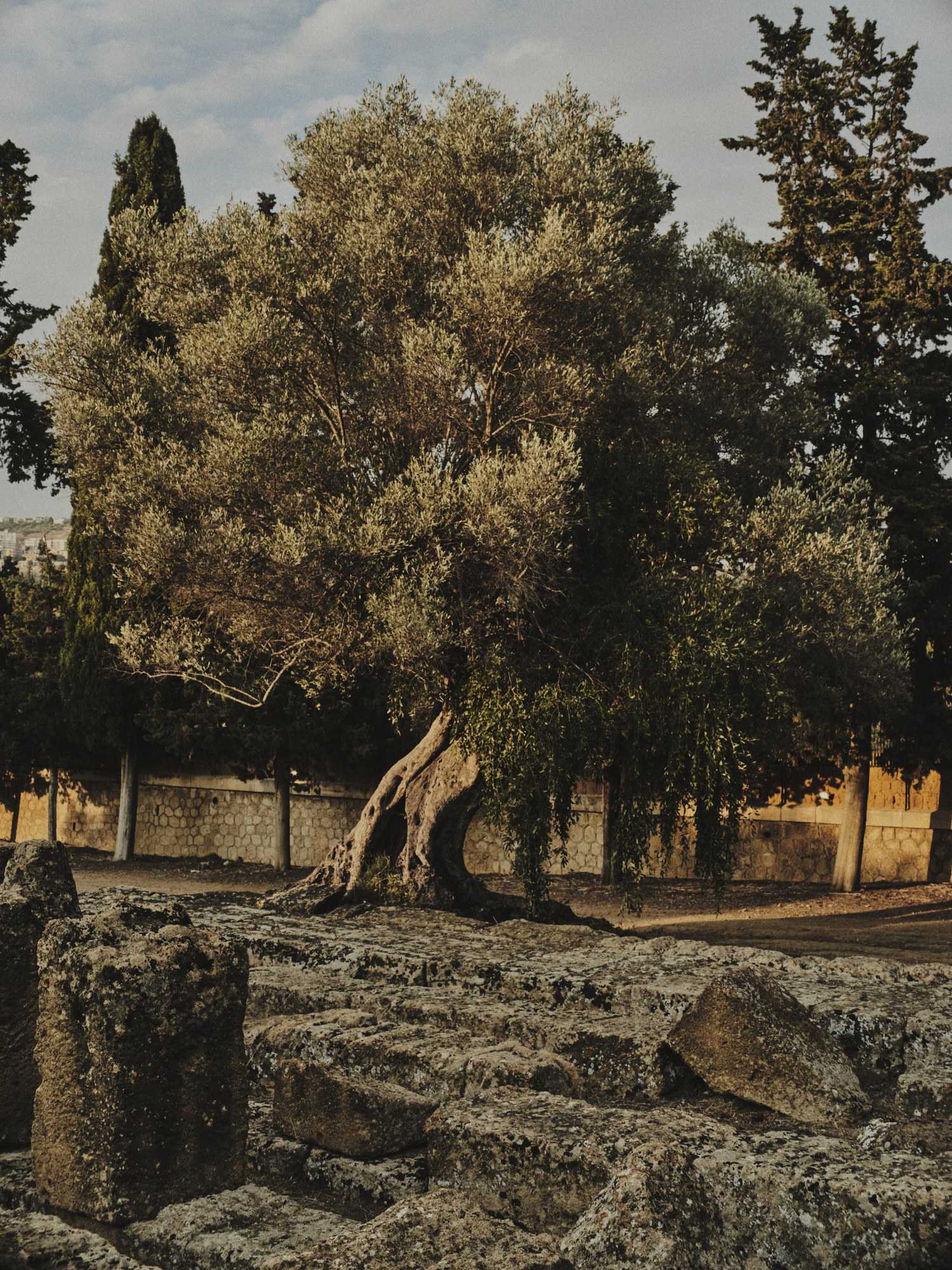
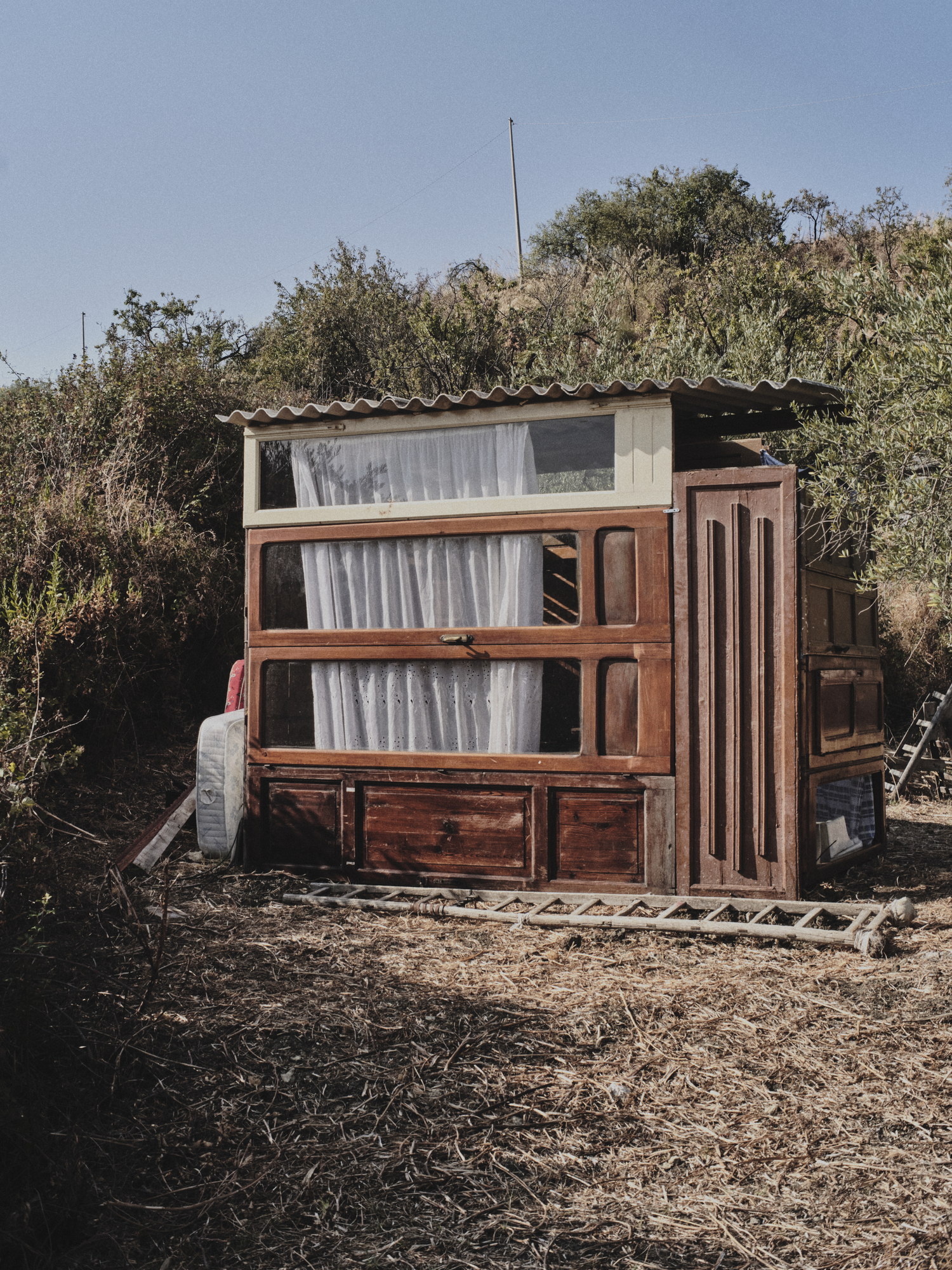
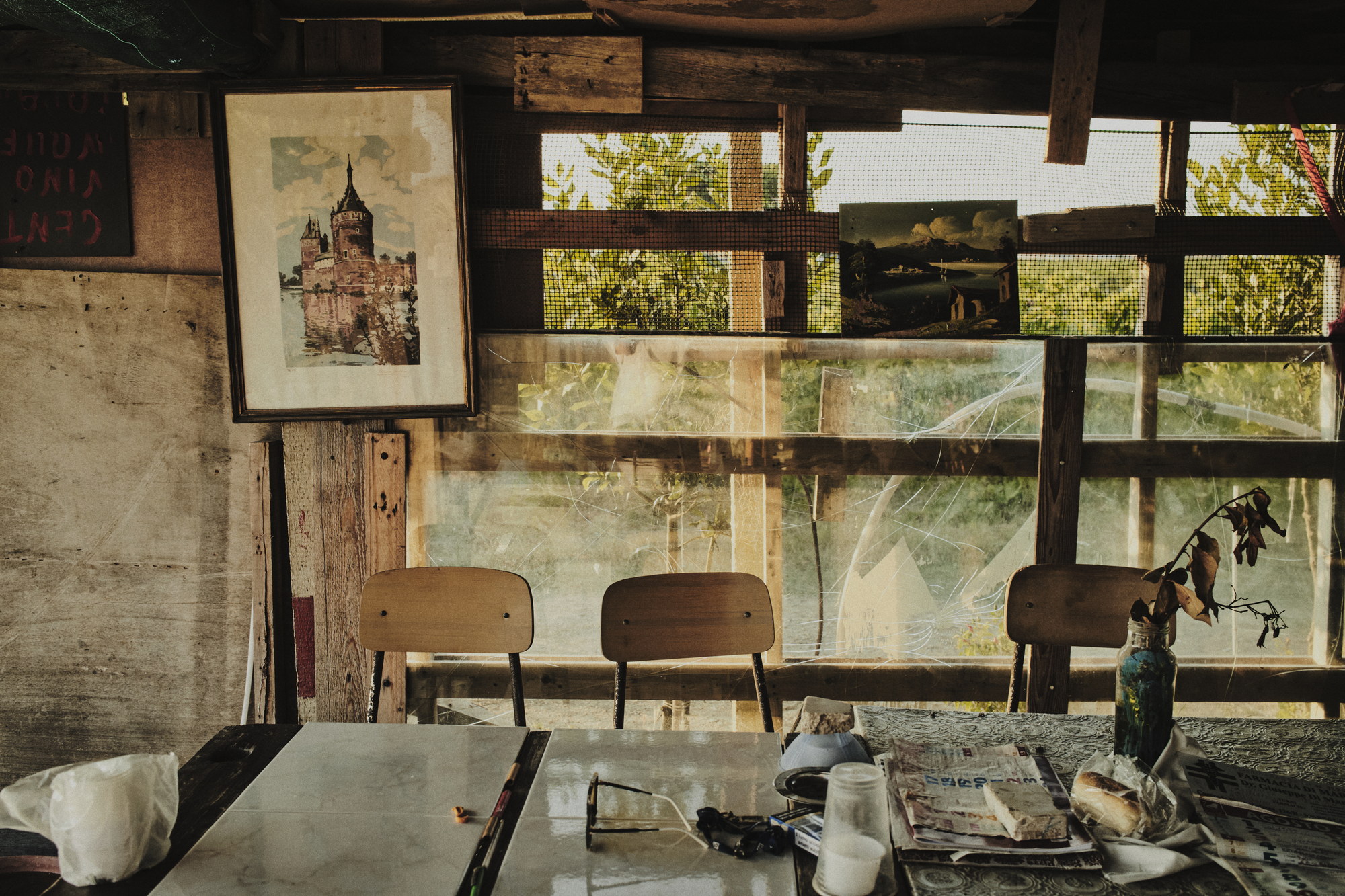
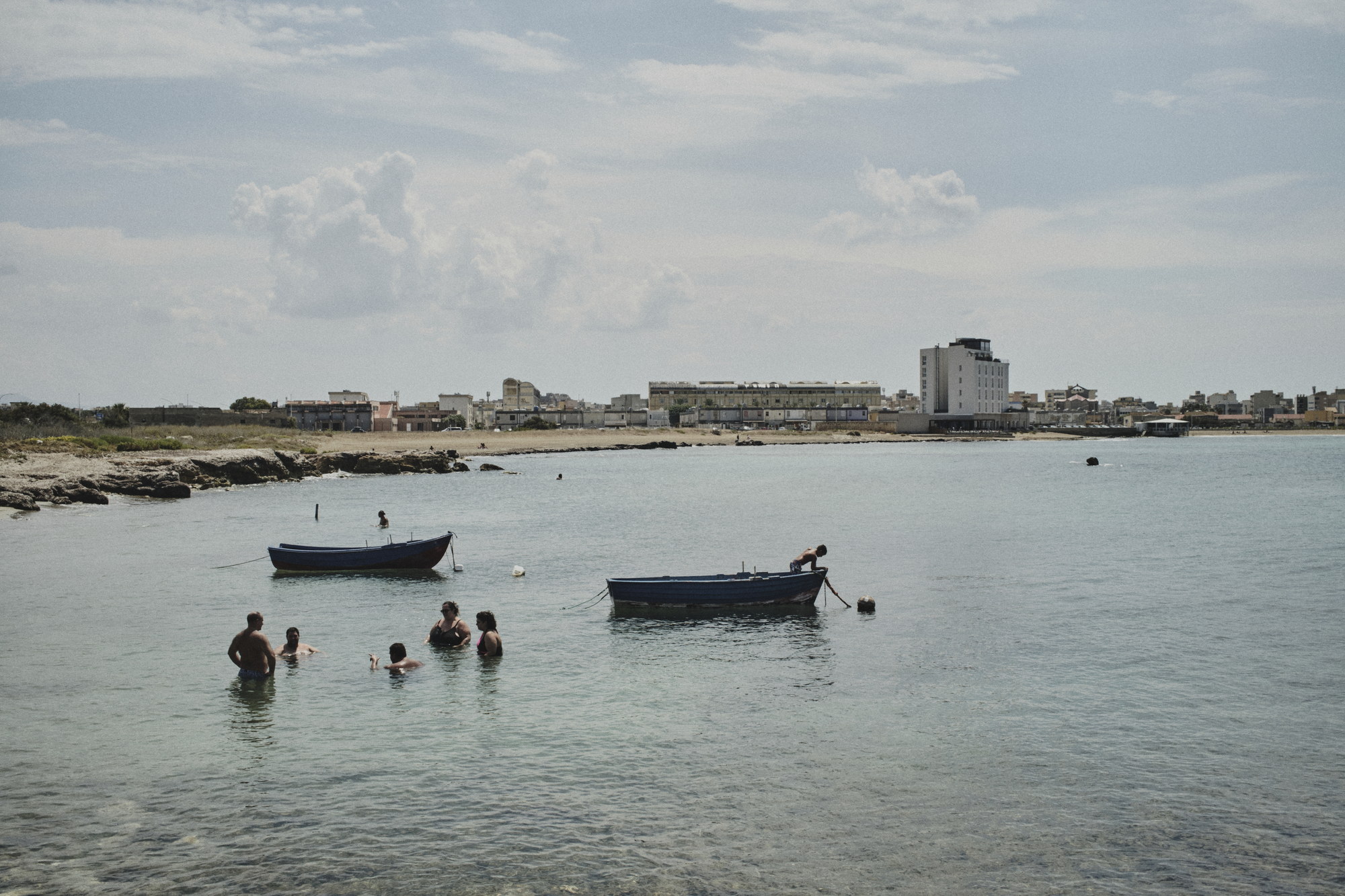
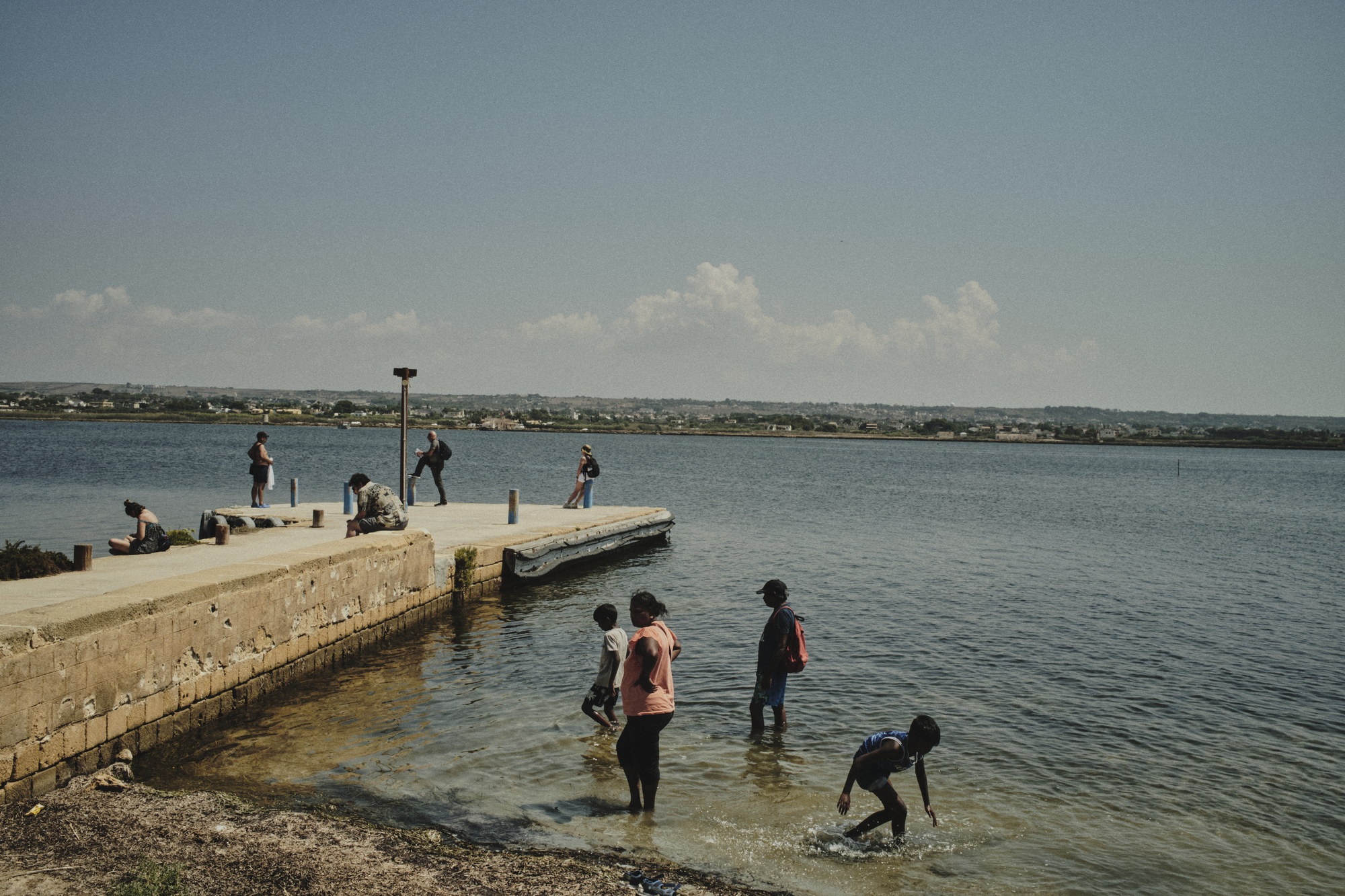
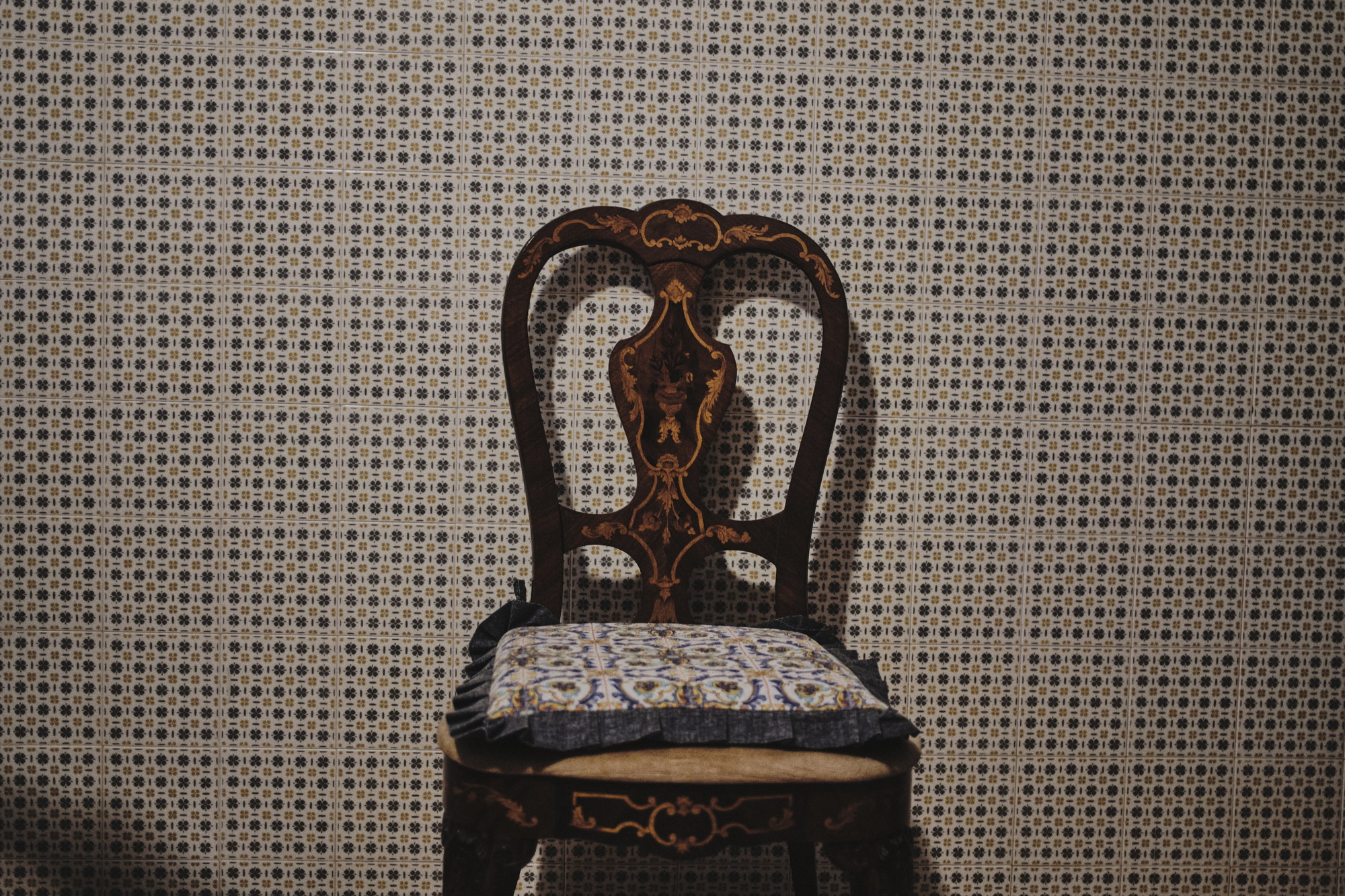
Sicily is the place one returns to, not the one where one stays — and this is not just my own biographical fact, it is a Sicilian grammar. The island empties slowly, through a migration that no longer takes the twentieth-century shape of the cardboard suitcase, but the subtler, more contemporary form of the transfer, the Erasmus, the profitable nomadism. Those who leave rarely come back to live. And in parallel, the territory dries up — not in a landscape sense but in a social one: towns losing inhabitants, neighbourhoods shifting in density, traditions surviving as stage props without the community that once enacted them, saints left behind after faith has abandoned them, landscapes that keep resisting without knowing what for.
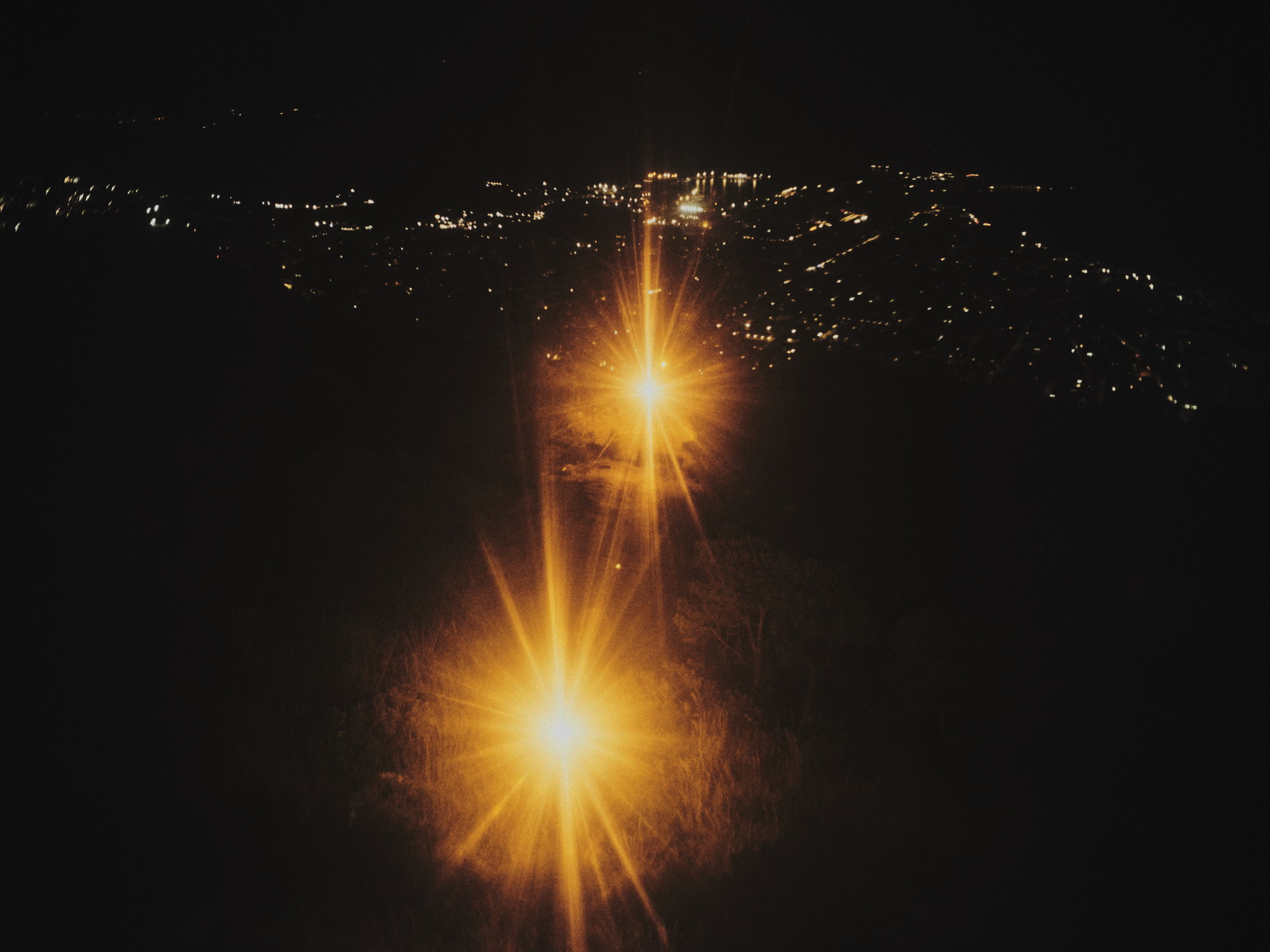
What I try to photograph is the form a place takes when this mechanism has been at work for decades and involved me directly.
Umberto Santoro (Palermo, 1995) is a visual artist and photographer working between Palermo, Venice and Milan. His practice moves between documentary photography, archive and a critical reflection on the image as historically sedimented matter, working on the tensions between perception, memory and power. He understands the image as an active space of inquiry — a site of friction between what appears and what remains invisible, removed or sedimented — and investigates in particular the apparatuses of state and economic power and the forms of popular resistance that run through them, with a focus on Southern Italy and its historical and contemporary landscapes.
Fine art prints available — send a request for more information and commissions.